THE ADVENTURE COLLECTIVE® · Independent discovery and booking for outdoor travel

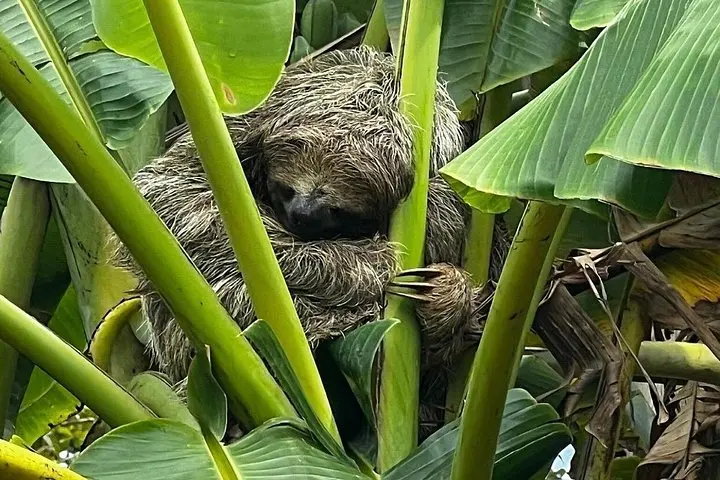
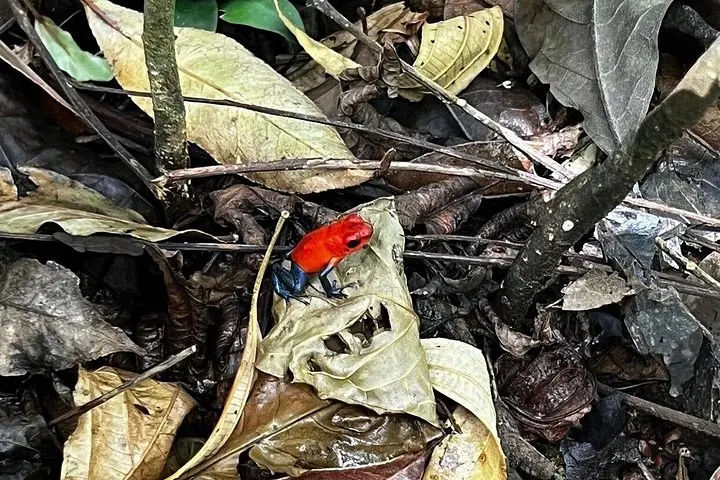
Float the gentle Corobici at dawn, then walk through a sloth sanctuary to spot three-toed sloths and tiny poisonous frogs. This guided half- to full-day tour combines low-effort river viewing with close-up wildlife interpretation and a local lunch in Bijagua.
Float the gentle Corobici at dawn, then walk through a sloth sanctuary to spot three-toed sloths and tiny poisonous frogs. This guided half- to full-day tour combines low-effort river viewing with close-up wildlife interpretation and a local lunch in Bijagua.
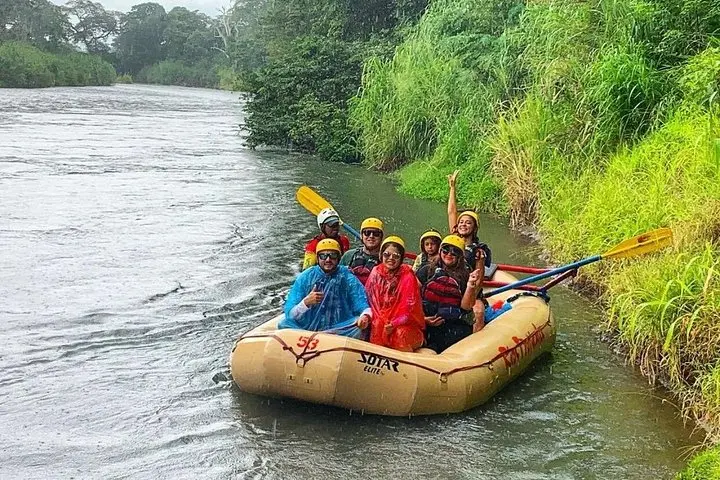
You step into the river’s slow pulse before you see the forest—palms lean like patient sentries and the water dares you to breathe slower. A cushioned raft slips away from the muddy bank and the Corobici unfurls: dark glass carrying reflections of high canopy, kingfishers darting like punctuation, and the occasional banana-shaped silhouette of a sloth hanging in the green.
Verified experiences and guided adventures in the surrounding area.
Operated by Tony Expeditions · Bijagua, Guanacaste
You step into the river’s slow pulse before you see the forest—palms lean like patient sentries and the water dares you to breathe slower. A cushioned raft slips away from the muddy bank and the Corobici unfurls: dark glass carrying reflections of high canopy, kingfishers darting like punctuation, and the occasional banana-shaped silhouette of a sloth hanging in the green.
This northwestern Costa Rica corridor sits where lowland dry forest blends into transitional rainforest. The region’s volcanic past shaped shallow basins and meandering rivers; Tenorio’s nearby volcanic soils help feed the dense plant life that supports frogs, toucans, monkeys and sloths. Bijagua’s people shifted from cattle and subsistence farming toward conservation and eco-tourism in recent decades, and small sanctuaries now protect slow-moving fauna and amphibians once threatened by habitat loss.
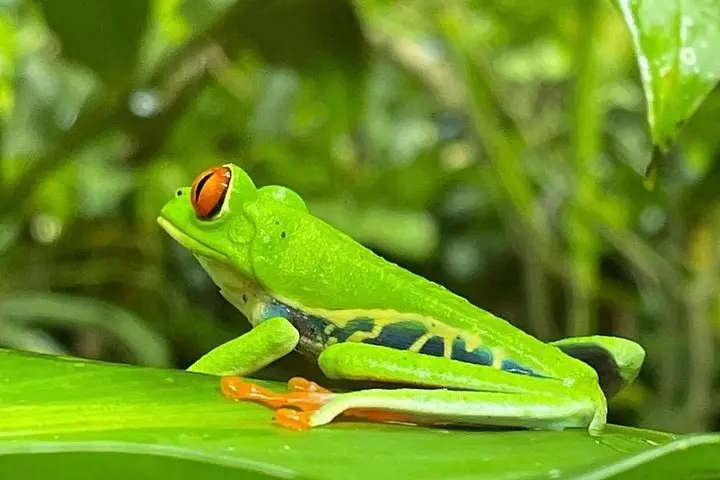
On this half- to full-day outing expect two distinct rhythms: a mellow river float that favors observation over adrenaline, then a guided walk through a sloth sanctuary and butterfly area where guides point out three-toed sloths, toe-claws, and vividly colored poison frogs. Wildlife is the star—move quietly, use your eyes at different heights, and let the guides direct spotting.
Practical guidance: bring insect repellent, reef- or water-safe sunscreen, a waterproof bag for electronics, and footwear that dries quickly. The river is calm but can be muddy at the banks; light motion sickness remedies can help sensitive riders. Morning floats avoid midday heat and improve bird activity. Respect sanctuary rules—no touching or feeding animals—and follow your guide to keep encounters safe for both you and the wildlife.
Yes—children can join; the operator provides infant seats and the activities are family-friendly, but check age restrictions with the provider before booking.
The Corobici float is designed for observation, not swimming; currents and visibility vary and guides typically discourage swimming due to wildlife and boat traffic.
Common sightings include sloths, howler monkeys, a variety of tropical birds and, in sanctuary areas, colorful poison-dart frogs and butterflies—sightings are never guaranteed.
A typical Costa Rican lunch and bottled water are included in the tour price, usually served in Bijagua between the river and sanctuary segments.
Tony Expeditions operates guided outdoor trips and adventures with an emphasis on safety, stewardship, and memorable experiences.
You step into the river’s slow pulse before you see the forest—palms lean like patient sentries and the water dares you to breathe slower. A cushioned raft slips away from the muddy bank and the Corobici unfurls: dark glass carrying reflections of high canopy, kingfishers darting like punctuation, and the occasional banana-shaped silhouette of a sloth hanging in the green.
You step into the river’s slow pulse before you see the forest—palms lean like patient sentries and the water dares you to breathe slower. A cushioned raft slips away from the muddy bank and the Corobici unfurls: dark glass carrying reflections of high canopy, kingfishers darting like punctuation, and the occasional banana-shaped silhouette of a sloth hanging in the green.
This northwestern Costa Rica corridor sits where lowland dry forest blends into transitional rainforest. The region’s volcanic past shaped shallow basins and meandering rivers; Tenorio’s nearby volcanic soils help feed the dense plant life that supports frogs, toucans, monkeys and sloths. Bijagua’s people shifted from cattle and subsistence farming toward conservation and eco-tourism in recent decades, and small sanctuaries now protect slow-moving fauna and amphibians once threatened by habitat loss.
On this half- to full-day outing expect two distinct rhythms: a mellow river float that favors observation over adrenaline, then a guided walk through a sloth sanctuary and butterfly area where guides point out three-toed sloths, toe-claws, and vividly colored poison frogs. Wildlife is the star—move quietly, use your eyes at different heights, and let the guides direct spotting.
Practical guidance: bring insect repellent, reef- or water-safe sunscreen, a waterproof bag for electronics, and footwear that dries quickly. The river is calm but can be muddy at the banks; light motion sickness remedies can help sensitive riders. Morning floats avoid midday heat and improve bird activity. Respect sanctuary rules—no touching or feeding animals—and follow your guide to keep encounters safe for both you and the wildlife.