THE ADVENTURE COLLECTIVE® · Independent discovery and booking for outdoor travel

Glide over Coron’s sheltered shallows to meet dugongs and green sea turtles in their seagrass meadows, then snorkel a protected reef after a light lunch. This small-group, guided tour emphasizes ethical viewing, strict no-touch rules, and education from trained spotters.
Glide over Coron’s sheltered shallows to meet dugongs and green sea turtles in their seagrass meadows, then snorkel a protected reef after a light lunch. This small-group, guided tour emphasizes ethical viewing, strict no-touch rules, and education from trained spotters.
The boat slips off Coron’s wooden pier and the sea opens into pockets of glassy blue; spotters scan the shallows, eyes trained where seagrass beds fringe limestone karst. Quiet conversations fall away as something gentle rises and resurfaces — a dugong’s rounded back or the slow paddling of a green turtle — the water a calm stage for a rare, respectful encounter.
Verified experiences and guided adventures in the surrounding area.
Operated by El Nido Adventure Tours · Coron, Palawan
The boat slips off Coron’s wooden pier and the sea opens into pockets of glassy blue; spotters scan the shallows, eyes trained where seagrass beds fringe limestone karst. Quiet conversations fall away as something gentle rises and resurfaces — a dugong’s rounded back or the slow paddling of a green turtle — the water a calm stage for a rare, respectful encounter.
Palawan’s coast here is shaped by uplifted coral and weathered limestone, creating sheltered bays and seagrass meadows that support dugongs and foraging turtles. Local communities on Busuanga have a long relationship with these waters: fishers, boat builders, and sanctuary volunteers collaborate on protection and visitor education. The island’s colonial-era trade routes and wartime history gave way to a conservation focus as tourism grew, and Turtle Island now operates as a guided sanctuary.
Practically, expect a full-day outing (about eight hours) by boat from Coron Town Proper. Small-group rotations, life vests, and snorkel gear are provided; snorkeling is brief and strictly no-touch/no-chase. Weather and animal behavior dictate the schedule, and sightings are likely but never guaranteed.
Plan morning departures for calmer seas and better light. Bring reef-safe sunscreen, a lightweight sun layer, and a dry bag for electronics. Hydrate before boarding and follow guides’ etiquette: slow movements, quiet voices, and keeping distance. The trip balances wildlife priority with accessibility — a low-impact way to see animals that ask only for space and respect.
No—wildlife presence depends on animal behavior and conditions; operators use spotters and ethical protocols to maximize chances but cannot guarantee sightings.
No—many observations are made from the boat; snorkeling rotations are offered when conditions and animal behavior allow for low-impact viewing.
Yes—this tour is suitable for families; life vests are provided and infants must sit on an adult’s lap during transfers where applicable.
Lunch and drinking water are included, but bring a refillable bottle and snacks if you have dietary preferences; inform the operator of restrictions when booking.
El Nido Adventure Tours operates guided outdoor trips and adventures with an emphasis on safety, stewardship, and memorable experiences.
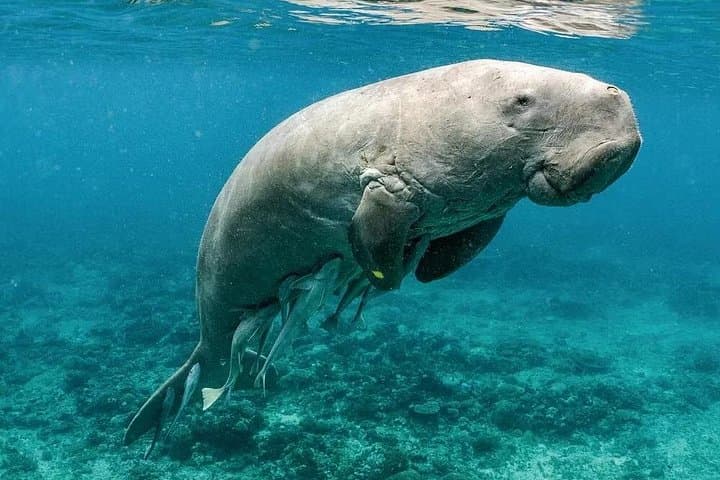
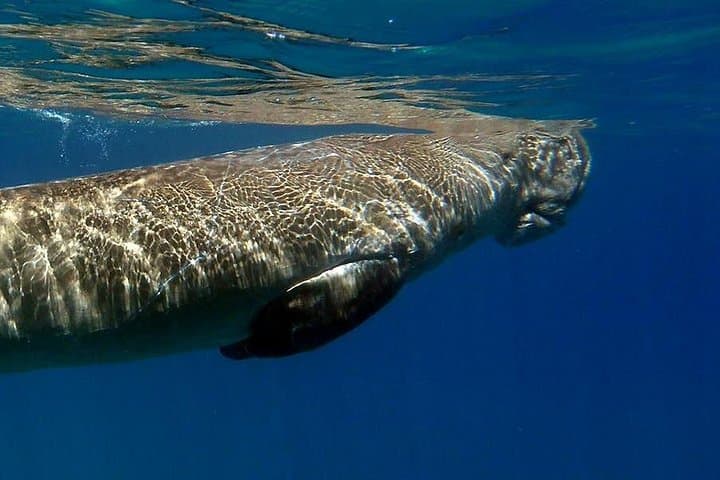
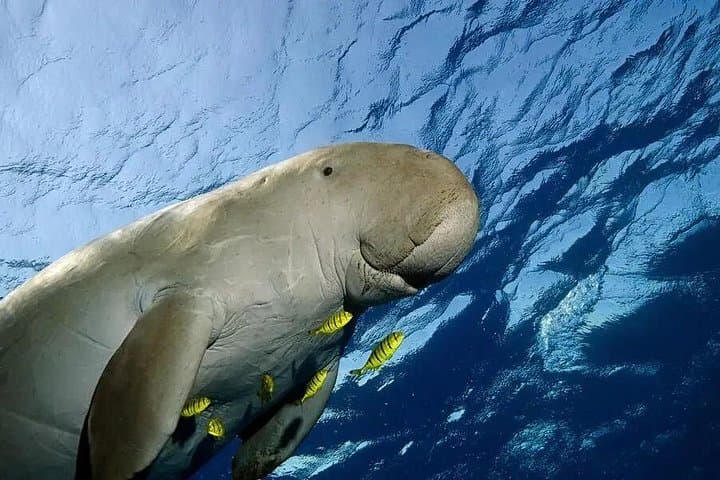

The boat slips off Coron’s wooden pier and the sea opens into pockets of glassy blue; spotters scan the shallows, eyes trained where seagrass beds fringe limestone karst. Quiet conversations fall away as something gentle rises and resurfaces — a dugong’s rounded back or the slow paddling of a green turtle — the water a calm stage for a rare, respectful encounter.
The boat slips off Coron’s wooden pier and the sea opens into pockets of glassy blue; spotters scan the shallows, eyes trained where seagrass beds fringe limestone karst. Quiet conversations fall away as something gentle rises and resurfaces — a dugong’s rounded back or the slow paddling of a green turtle — the water a calm stage for a rare, respectful encounter.
Palawan’s coast here is shaped by uplifted coral and weathered limestone, creating sheltered bays and seagrass meadows that support dugongs and foraging turtles. Local communities on Busuanga have a long relationship with these waters: fishers, boat builders, and sanctuary volunteers collaborate on protection and visitor education. The island’s colonial-era trade routes and wartime history gave way to a conservation focus as tourism grew, and Turtle Island now operates as a guided sanctuary.
Practically, expect a full-day outing (about eight hours) by boat from Coron Town Proper. Small-group rotations, life vests, and snorkel gear are provided; snorkeling is brief and strictly no-touch/no-chase. Weather and animal behavior dictate the schedule, and sightings are likely but never guaranteed.
Plan morning departures for calmer seas and better light. Bring reef-safe sunscreen, a lightweight sun layer, and a dry bag for electronics. Hydrate before boarding and follow guides’ etiquette: slow movements, quiet voices, and keeping distance. The trip balances wildlife priority with accessibility — a low-impact way to see animals that ask only for space and respect.