THE ADVENTURE COLLECTIVE® · Independent discovery and booking for outdoor travel

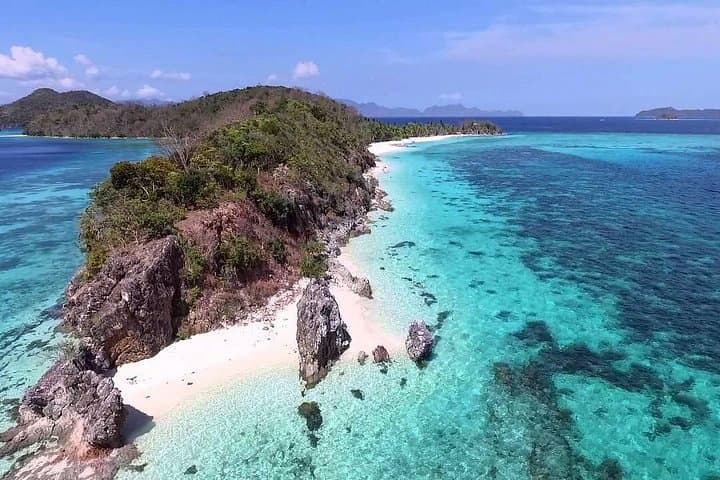
Spend a full day island-hopping from Coron to Malcapuya, Banana and Bulog Dos — powder-white sands, turquoise lagoons, and snorkeling over reef bommies. This shared tour includes lunch, permits and guide, and suits most fitness levels.
Spend a full day island-hopping from Coron to Malcapuya, Banana and Bulog Dos — powder-white sands, turquoise lagoons, and snorkeling over reef bommies. This shared tour includes lunch, permits and guide, and suits most fitness levels.
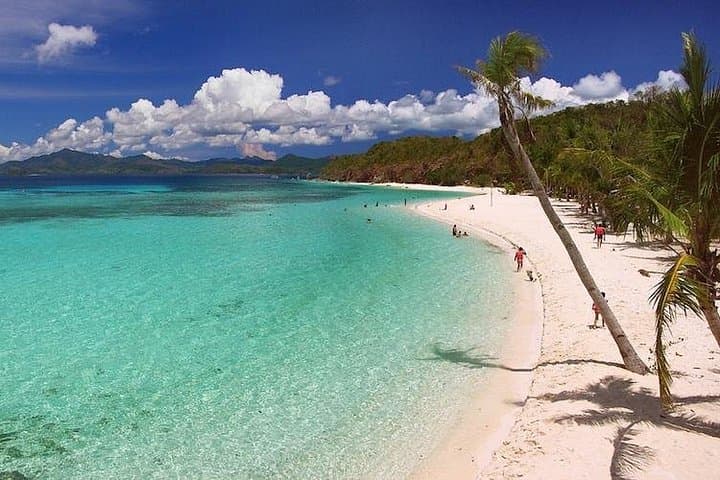
The boat slips from Coron’s wharf and the town drops away: limestone ridges recede into a horizon of sapphire, and the sea seems to dare you forward. After a short run across the Calamianes waters, the first stretch of white sand at Malcapuya greets you — powder-fine and broad enough to pace out a slow, sun-warmed afternoon.
Verified experiences and guided adventures in the surrounding area.
Operated by CTPH TOUR · Coron, Palawan
The boat slips from Coron’s wharf and the town drops away: limestone ridges recede into a horizon of sapphire, and the sea seems to dare you forward. After a short run across the Calamianes waters, the first stretch of white sand at Malcapuya greets you — powder-fine and broad enough to pace out a slow, sun-warmed afternoon.
This part of northern Palawan sits on the fractured edges of the Philippine Mobile Belt; coral gardens cling to submerged reef shelves while wind and waves have sculpted offshore sandbars over centuries. Local fishing villages and the Spanish-era maps that first charted these channels give the islands a layered human history — a working seascape as much as a postcard.
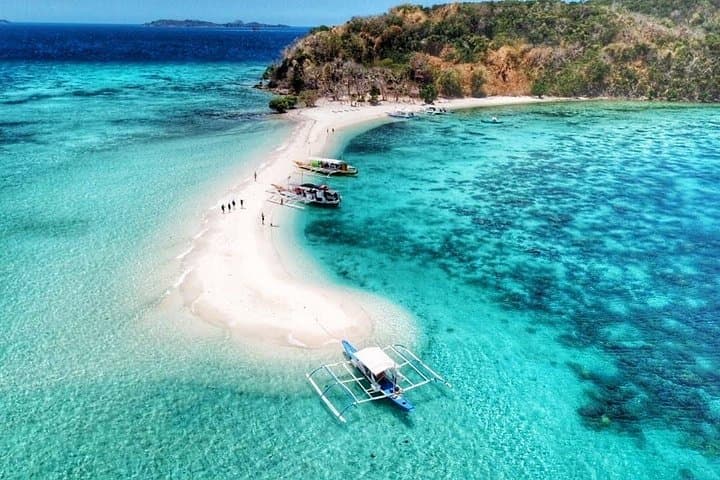
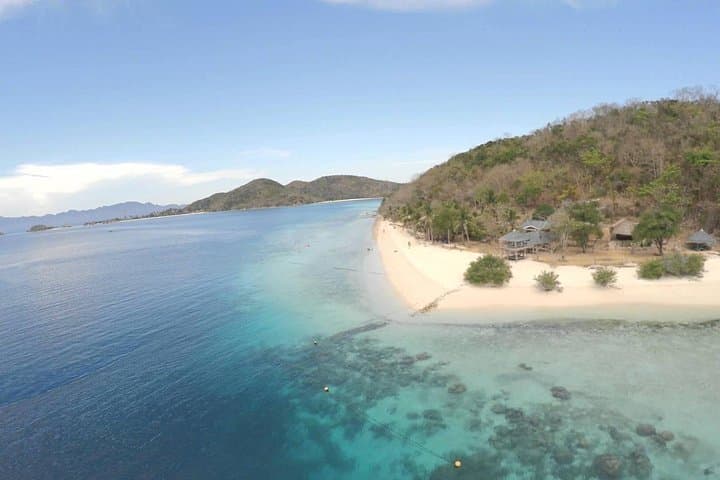
Expect clear, shallow lagoons, snorkeling over bommie reefs, and long low tides that reveal sandbars like temporary islands. Nature here is direct: a parade of reef fish, the occasional sea turtle slipping through kelp-dark patches, and gulls testing the breeze.
Practical notes: shared tours are full-day (about 8 hours) and include lunch, permits, and basic snorkeling gear on most boats; life vests are provided. Seas can be calm or choppy depending on the monsoon; mornings usually offer the best visibility for snorkeling. Bring reef-safe sunscreen, a sturdy mask (if you prefer your own), reef shoes for rocky approaches, and a small dry bag for electronics. If you have mobility limits, check pickup and boarding details before booking — transfers involve getting on and off small bangka boats. For the clearest water and smallest crowds, target the dry season (November–May).
Most shared tours include complimentary pickup from central Coron hotels; confirm pickup point and time when you book.
Basic snorkeling gear is typically available, but many travelers bring their own mask and snorkel for fit and hygiene reasons.
Operators commonly cancel for safety in rough seas or heavy rain; this tour lists bad-weather cancellation and has an all-sales-final policy, so check the provider’s exact refund/cancellation terms before booking.
Yes — beaches are shallow and family-friendly, but non-swimmers should wear life vests and stay near guides; supervise children close to the water and during boat transfers.
CTPH TOUR operates guided outdoor trips and adventures with an emphasis on safety, stewardship, and memorable experiences.
The boat slips from Coron’s wharf and the town drops away: limestone ridges recede into a horizon of sapphire, and the sea seems to dare you forward. After a short run across the Calamianes waters, the first stretch of white sand at Malcapuya greets you — powder-fine and broad enough to pace out a slow, sun-warmed afternoon.
The boat slips from Coron’s wharf and the town drops away: limestone ridges recede into a horizon of sapphire, and the sea seems to dare you forward. After a short run across the Calamianes waters, the first stretch of white sand at Malcapuya greets you — powder-fine and broad enough to pace out a slow, sun-warmed afternoon.
This part of northern Palawan sits on the fractured edges of the Philippine Mobile Belt; coral gardens cling to submerged reef shelves while wind and waves have sculpted offshore sandbars over centuries. Local fishing villages and the Spanish-era maps that first charted these channels give the islands a layered human history — a working seascape as much as a postcard.
Expect clear, shallow lagoons, snorkeling over bommie reefs, and long low tides that reveal sandbars like temporary islands. Nature here is direct: a parade of reef fish, the occasional sea turtle slipping through kelp-dark patches, and gulls testing the breeze.
Practical notes: shared tours are full-day (about 8 hours) and include lunch, permits, and basic snorkeling gear on most boats; life vests are provided. Seas can be calm or choppy depending on the monsoon; mornings usually offer the best visibility for snorkeling. Bring reef-safe sunscreen, a sturdy mask (if you prefer your own), reef shoes for rocky approaches, and a small dry bag for electronics. If you have mobility limits, check pickup and boarding details before booking — transfers involve getting on and off small bangka boats. For the clearest water and smallest crowds, target the dry season (November–May).