THE ADVENTURE COLLECTIVE® · Independent discovery and booking for outdoor travel

Walk the Camí de Ronda along the Costa Brava, then slip into crystal Mediterranean waters for snorkeling. This full-day hike-and-swim trip blends dramatic coastal geology, local fishing-culture insights, and accessible marine wildlife encounters.
Walk the Camí de Ronda along the Costa Brava, then slip into crystal Mediterranean waters for snorkeling. This full-day hike-and-swim trip blends dramatic coastal geology, local fishing-culture insights, and accessible marine wildlife encounters.
You step off the minivan and the sea speaks first: a bright, saline wind pushing at your jacket, waves tapping the base of limestone cliffs as the Camí de Ronda unfurls ahead.
Verified experiences and guided adventures in the surrounding area.
Operated by Catalands · Tossa de Mar, Catalonia
You step off the minivan and the sea speaks first: a bright, saline wind pushing at your jacket, waves tapping the base of limestone cliffs as the Camí de Ronda unfurls ahead.
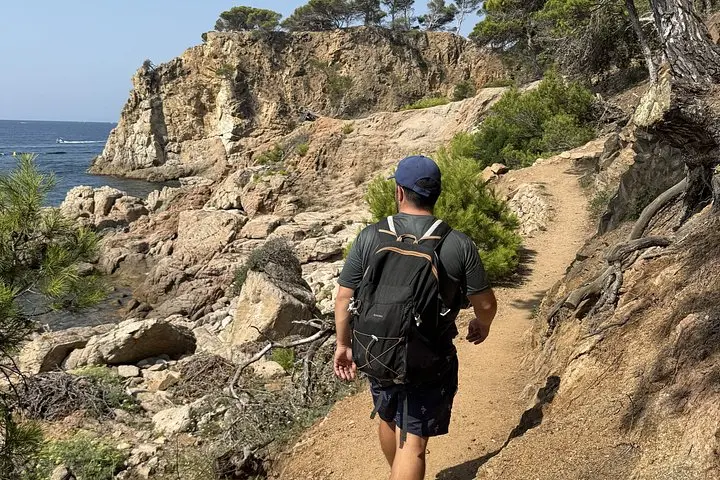
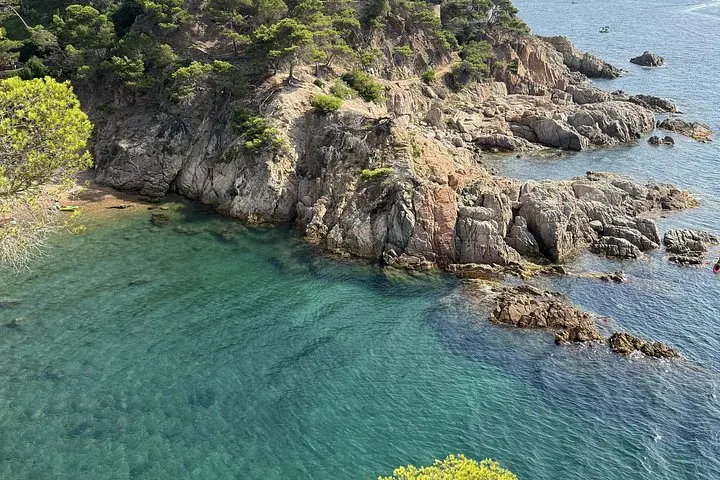
The trail runs raw and honest — rocky scrubs give way to scented pine and sudden ledges where the Mediterranean spreads like a sheet of glass. Historically, this path linked fishing coves and watch posts; many stretches still show old stone walls and the remains of small hamlets that once read the sea for fortune and danger. The geology is compact: Triassic and Jurassic limestones sculpted by wind and wave, producing caves, small coves, and dramatic drop-offs that frame every viewpoint.
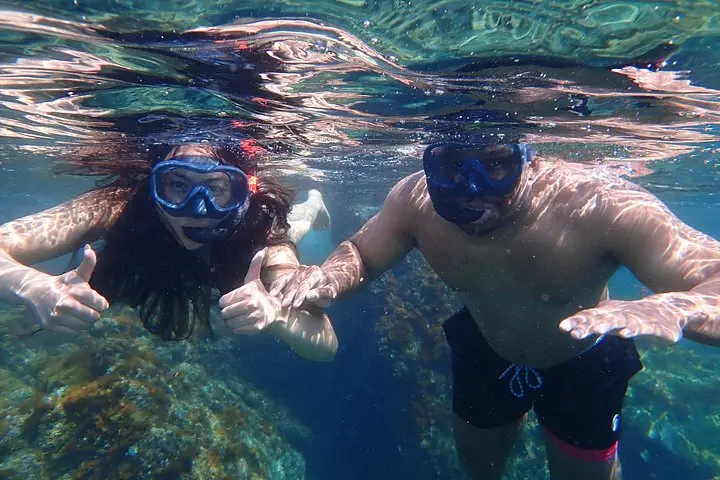
Local culture here is coastal Catalan — fishermen’s towns with simple seafood, morning markets, and a relaxed pace that rewards early starts. Marine life is busy beneath the surface: Posidonia seagrass beds, small fish and occasional octopus make the snorkeling memorable.
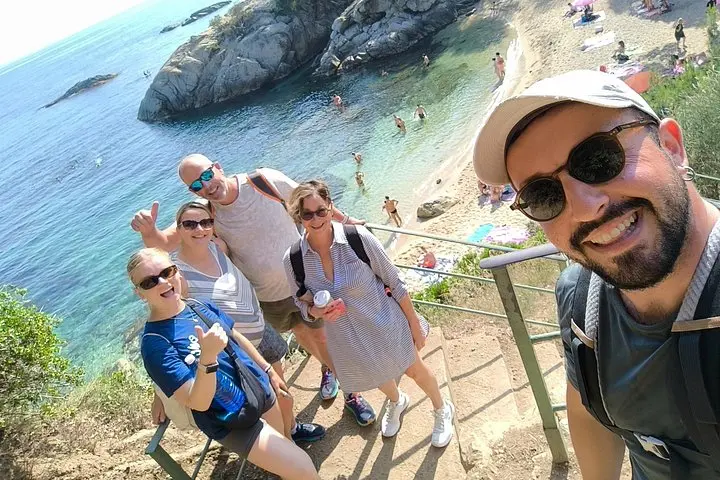
Practically: expect 6–8 km of varied coastal trail, intermittent scrambling over roots and rock, and several short down-and-ups to reach coves. Bring layered clothing, reef-safe sunscreen, and a daypack with 1–2 liters of water. Swim shoes or sturdy sandals make the water entry and jagged rock exits easier. Guides provide snorkeling gear and a briefing; basic swimming comfort is required.
Plan for morning departures to avoid heat and crowds, and leave no trace — the coast is popular but fragile. Timing your visit for shoulder seasons gives cooler hikes and clearer water for snorkeling.
Yes — the tour supplies snorkels, masks, and fins; you can bring your own mask for fit preference.
No — basic swimming comfort is required; guides stay close to swimmers and choose sheltered coves for snorkeling.
Most departures are from Barcelona; an air-conditioned vehicle transports the group to the Costa Brava and back.
The operator cancels in unsafe weather and offers a full refund if canceled at least 24 hours before departure.
Catalands operates guided outdoor trips and adventures with an emphasis on safety, stewardship, and memorable experiences.
You step off the minivan and the sea speaks first: a bright, saline wind pushing at your jacket, waves tapping the base of limestone cliffs as the Camí de Ronda unfurls ahead.
You step off the minivan and the sea speaks first: a bright, saline wind pushing at your jacket, waves tapping the base of limestone cliffs as the Camí de Ronda unfurls ahead.
The trail runs raw and honest — rocky scrubs give way to scented pine and sudden ledges where the Mediterranean spreads like a sheet of glass. Historically, this path linked fishing coves and watch posts; many stretches still show old stone walls and the remains of small hamlets that once read the sea for fortune and danger. The geology is compact: Triassic and Jurassic limestones sculpted by wind and wave, producing caves, small coves, and dramatic drop-offs that frame every viewpoint.
Local culture here is coastal Catalan — fishermen’s towns with simple seafood, morning markets, and a relaxed pace that rewards early starts. Marine life is busy beneath the surface: Posidonia seagrass beds, small fish and occasional octopus make the snorkeling memorable.
Practically: expect 6–8 km of varied coastal trail, intermittent scrambling over roots and rock, and several short down-and-ups to reach coves. Bring layered clothing, reef-safe sunscreen, and a daypack with 1–2 liters of water. Swim shoes or sturdy sandals make the water entry and jagged rock exits easier. Guides provide snorkeling gear and a briefing; basic swimming comfort is required.
Plan for morning departures to avoid heat and crowds, and leave no trace — the coast is popular but fragile. Timing your visit for shoulder seasons gives cooler hikes and clearer water for snorkeling.