THE ADVENTURE COLLECTIVE® · Independent discovery and booking for outdoor travel

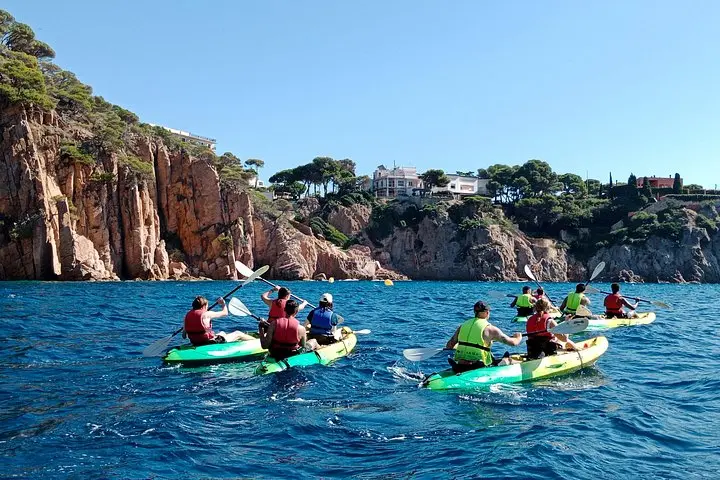
Paddle out from Sant Feliu de Guíxols on a two‑hour kayak and snorkel loop that threads cliffs, coves and islets along the Costa Brava. Expect clear water, guided snorkeling over seagrass beds, and basic safety briefing with sit‑on‑top kayaks provided.
Paddle out from Sant Feliu de Guíxols on a two‑hour kayak and snorkel loop that threads cliffs, coves and islets along the Costa Brava. Expect clear water, guided snorkeling over seagrass beds, and basic safety briefing with sit‑on‑top kayaks provided.
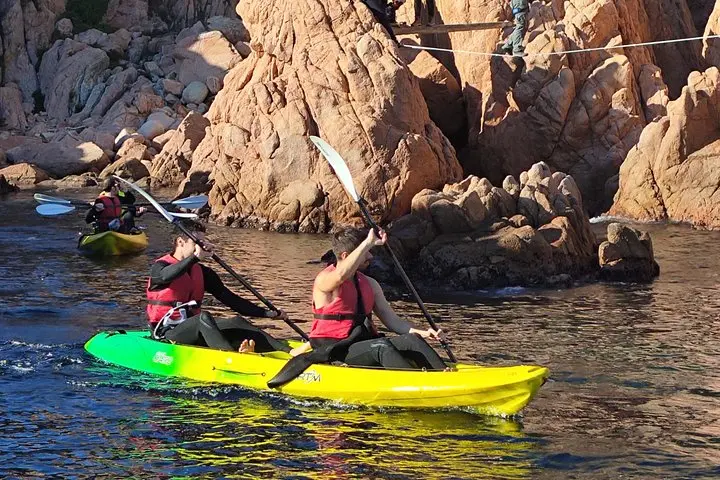
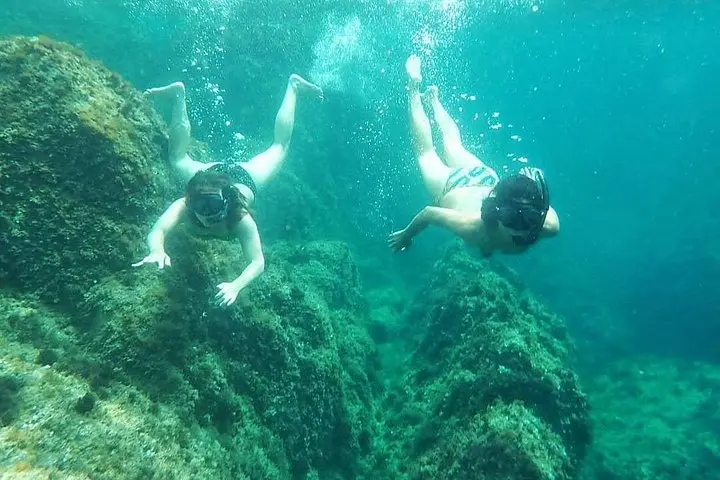
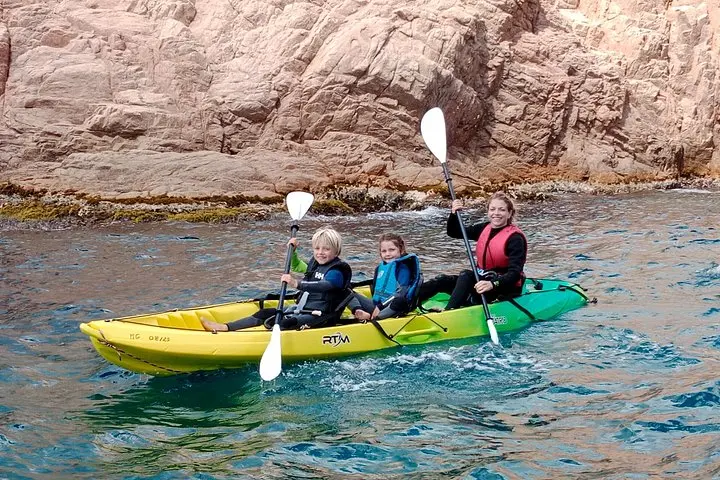
You push off from the small port of Sant Feliu de Guíxols and the Mediterranean opens like a map of hidden routes: gulls call, cliffs eye the horizon, and the double sit‑on‑top kayak responds to each stroke. The sea dares you to look down; beneath the clear surface, beds of seagrass and scattered rocks host fish that flicker like coins.
Verified experiences and guided adventures in the surrounding area.
Operated by Kayak Center Guíxols · Sant Feliu de Guíxols, Girona
You push off from the small port of Sant Feliu de Guíxols and the Mediterranean opens like a map of hidden routes: gulls call, cliffs eye the horizon, and the double sit‑on‑top kayak responds to each stroke. The sea dares you to look down; beneath the clear surface, beds of seagrass and scattered rocks host fish that flicker like coins.
This stretch of the Costa Brava bears the marks of long geological negotiation—uplift and coastal erosion carving coves, channels and offshore islets. Human history here follows the water: centuries of fishing, maritime trade and small coastal hamlets that relied on these sheltered pockets for boats and nets. Guides on local tours weave in cultural notes—how boatbuilding and seafood markets shaped village life—and point out rock forms and marine habitats shaped over millennia.
Practically, expect a 2‑hour guided loop from the harbour to nearby coves and islets using mostly double sit‑on‑tops, with a snorkel stop to inspect seagrass beds where starfish and octopus appear on calm days. The group size is small, instructors give a safety briefing, and a rescue motorboat stands by. Participants must know how to swim and respect a 120 kg weight limit.
Plan for calm mornings when wind and currents are gentler; bring reef‑safe sunscreen, water shoes and a waterproof pouch for your phone. Follow your guide’s positioning when snorkeling—do not stand on or touch the seabed—and savour the coastal geometry: cliffs that guard coves, channels that invite exploration, and a sea that keeps its own rules.
No—this tour is designed for beginners; instructors provide basic paddling and snorkeling instruction and accompany the group at all times.
Yes—masks, snorkels and optionally wetsuits on colder days are supplied by the operator.
Children aged 7 and up may participate when accompanied by an adult; there is a maximum weight guideline of about 120 kg per participant.
The tour operator may cancel for rough seas or safety concerns—refunds are offered if cancelled at least 24 hours before departure or if conditions force a cancellation.
Kayak Center Guíxols operates guided outdoor trips and adventures with an emphasis on safety, stewardship, and memorable experiences.
You push off from the small port of Sant Feliu de Guíxols and the Mediterranean opens like a map of hidden routes: gulls call, cliffs eye the horizon, and the double sit‑on‑top kayak responds to each stroke. The sea dares you to look down; beneath the clear surface, beds of seagrass and scattered rocks host fish that flicker like coins.
You push off from the small port of Sant Feliu de Guíxols and the Mediterranean opens like a map of hidden routes: gulls call, cliffs eye the horizon, and the double sit‑on‑top kayak responds to each stroke. The sea dares you to look down; beneath the clear surface, beds of seagrass and scattered rocks host fish that flicker like coins.
This stretch of the Costa Brava bears the marks of long geological negotiation—uplift and coastal erosion carving coves, channels and offshore islets. Human history here follows the water: centuries of fishing, maritime trade and small coastal hamlets that relied on these sheltered pockets for boats and nets. Guides on local tours weave in cultural notes—how boatbuilding and seafood markets shaped village life—and point out rock forms and marine habitats shaped over millennia.
Practically, expect a 2‑hour guided loop from the harbour to nearby coves and islets using mostly double sit‑on‑tops, with a snorkel stop to inspect seagrass beds where starfish and octopus appear on calm days. The group size is small, instructors give a safety briefing, and a rescue motorboat stands by. Participants must know how to swim and respect a 120 kg weight limit.
Plan for calm mornings when wind and currents are gentler; bring reef‑safe sunscreen, water shoes and a waterproof pouch for your phone. Follow your guide’s positioning when snorkeling—do not stand on or touch the seabed—and savour the coastal geometry: cliffs that guard coves, channels that invite exploration, and a sea that keeps its own rules.