THE ADVENTURE COLLECTIVE® · Independent discovery and booking for outdoor travel

Drive from Liberia across Guanacaste beaches to Tortuguero canals, Arenal volcano, and Monteverde cloud forest in 15 days. This self-drive loop balances beach time, wildlife encounters, and short hikes with practical logistics for independent travelers.
Drive from Liberia across Guanacaste beaches to Tortuguero canals, Arenal volcano, and Monteverde cloud forest in 15 days. This self-drive loop balances beach time, wildlife encounters, and short hikes with practical logistics for independent travelers.
You arrive at Daniel Oduber Quiros Airport and the air is warm with salt and green growth — a rental car waits and the road unfurls toward Pacific beaches. Tamarindo’s surf hums in the distance, and over the next two weeks you’ll trade coastal bays for river canals, cloud-forested heights, and the volcanic silhouette of Arenal.
Verified experiences and guided adventures in the surrounding area.
Operated by Destination Services Costa Rica · Liberia, Guanacaste
You arrive at Daniel Oduber Quiros Airport and the air is warm with salt and green growth — a rental car waits and the road unfurls toward Pacific beaches. Tamarindo’s surf hums in the distance, and over the next two weeks you’ll trade coastal bays for river canals, cloud-forested heights, and the volcanic silhouette of Arenal.
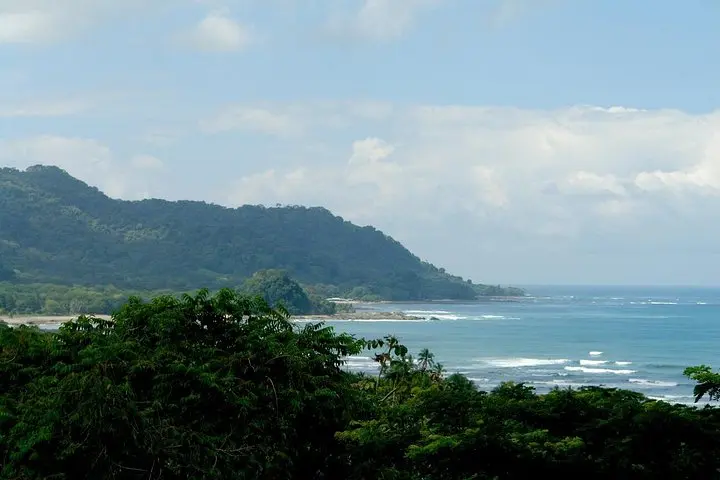
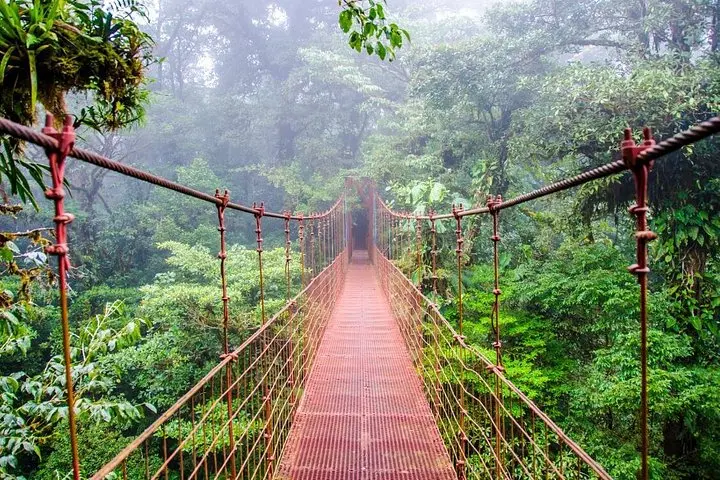
This self-drive loop threads key Costa Rica landscapes: the dry-season beaches of Guanacaste, the mangrove and canal systems of Tortuguero on the Caribbean side, the lowland rainforest of Sarapiquí, the volcanic geology around Arenal, and the mist-clad cloud forest of Monteverde. Monteverde’s reserve—established in 1972—helped put Costa Rica on the conservation map; Tortuguero remains central to sea-turtle protection and community-based tourism.
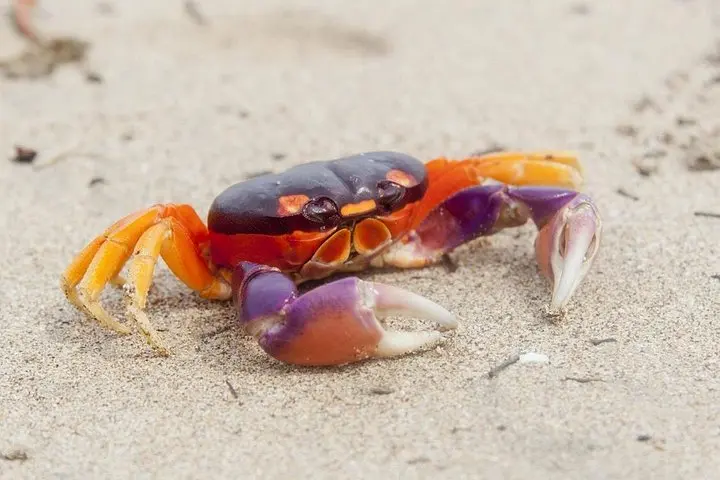
Expect varied terrain: paved highways connecting towns, secondary gravel roads on the Nicoya Peninsula, narrow boat transfers into Tortuguero, and short forest trails at reserves. Wildlife is a constant companion — howler calls at dawn, sloths lingering in canopy—and seasonal rhythms matter: turtle nesting in mid-summer to early fall, humpback sightings off the Pacific during migration windows.
Practical guidance: plan for flexible timing, carry cash for park entrances, and book key lodges early in high season. Drive the route with a sturdy, insured rental and keep fuel topped up; stations are frequent near towns but sparse in remote stretches. Pack layered lightweight rain gear, strong footwear for trail sections, insect protection, and a good headlamp for nocturnal wildlife outings. With thoughtful preparation, this itinerary delivers a thorough, independent survey of Costa Rica’s coastal and interior wilds.
A 4x4 is recommended for peace of mind—many secondary roads on the Nicoya Peninsula and near remote lodges can be rough, especially in the rainy season.
No—entrance fees to Tortuguero NP and Monteverde Reserve are typically paid on site; bring cash and check current rates before travel.
Nesting generally runs July–September with hatchings from September–December on Caribbean beaches; guided night walks maximize viewing opportunities.
Drivers must be at least 21 with a valid license and an international credit card for the rental deposit; confirm office hours for pick-up/drop-off.
Destination Services Costa Rica operates guided outdoor trips and adventures with an emphasis on safety, stewardship, and memorable experiences.

You arrive at Daniel Oduber Quiros Airport and the air is warm with salt and green growth — a rental car waits and the road unfurls toward Pacific beaches. Tamarindo’s surf hums in the distance, and over the next two weeks you’ll trade coastal bays for river canals, cloud-forested heights, and the volcanic silhouette of Arenal.
You arrive at Daniel Oduber Quiros Airport and the air is warm with salt and green growth — a rental car waits and the road unfurls toward Pacific beaches. Tamarindo’s surf hums in the distance, and over the next two weeks you’ll trade coastal bays for river canals, cloud-forested heights, and the volcanic silhouette of Arenal.
This self-drive loop threads key Costa Rica landscapes: the dry-season beaches of Guanacaste, the mangrove and canal systems of Tortuguero on the Caribbean side, the lowland rainforest of Sarapiquí, the volcanic geology around Arenal, and the mist-clad cloud forest of Monteverde. Monteverde’s reserve—established in 1972—helped put Costa Rica on the conservation map; Tortuguero remains central to sea-turtle protection and community-based tourism.
Expect varied terrain: paved highways connecting towns, secondary gravel roads on the Nicoya Peninsula, narrow boat transfers into Tortuguero, and short forest trails at reserves. Wildlife is a constant companion — howler calls at dawn, sloths lingering in canopy—and seasonal rhythms matter: turtle nesting in mid-summer to early fall, humpback sightings off the Pacific during migration windows.
Practical guidance: plan for flexible timing, carry cash for park entrances, and book key lodges early in high season. Drive the route with a sturdy, insured rental and keep fuel topped up; stations are frequent near towns but sparse in remote stretches. Pack layered lightweight rain gear, strong footwear for trail sections, insect protection, and a good headlamp for nocturnal wildlife outings. With thoughtful preparation, this itinerary delivers a thorough, independent survey of Costa Rica’s coastal and interior wilds.