THE ADVENTURE COLLECTIVE® · Independent discovery and booking for outdoor travel

A 14-day circuit through Costa Rica’s richest ecosystems: waterfalls near San José, canoe canals of Tortuguero, wetlands at Caño Negro, Arenal’s volcanic slopes and Corcovado’s remote rain forest. This guided package pairs comfortable lodgings with expert naturalist-led expeditions and active exploration every day.
A 14-day circuit through Costa Rica’s richest ecosystems: waterfalls near San José, canoe canals of Tortuguero, wetlands at Caño Negro, Arenal’s volcanic slopes and Corcovado’s remote rain forest. This guided package pairs comfortable lodgings with expert naturalist-led expeditions and active exploration every day.
You step into humid air at Juan Santamaría, luggage damp with the promise of rainforest. Over two weeks this itinerary moves like a current — cloud forest waterfalls near San José, slow boat canals of Tortuguero, wide wetlands at Caño Negro, the thermal silhouette of Arenal and the raw, ocean-fringed wilderness of Corcovado.
Verified experiences and guided adventures in the surrounding area.
Operated by Greenway Nature Day Tours · San José, San José
You step into humid air at Juan Santamaría, luggage damp with the promise of rainforest. Over two weeks this itinerary moves like a current — cloud forest waterfalls near San José, slow boat canals of Tortuguero, wide wetlands at Caño Negro, the thermal silhouette of Arenal and the raw, ocean-fringed wilderness of Corcovado.
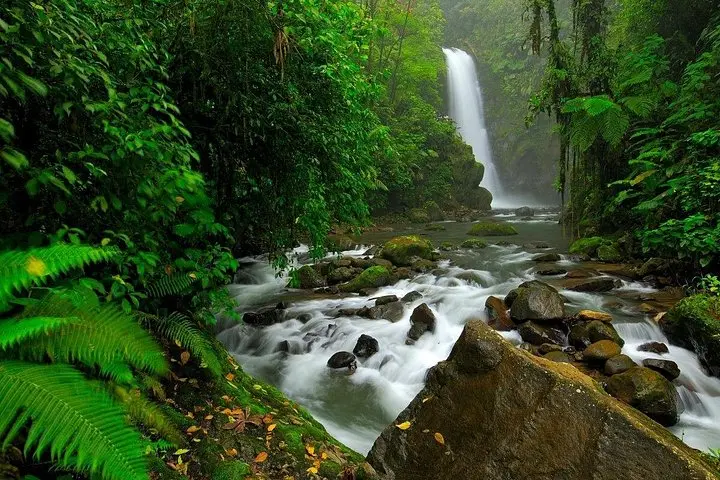
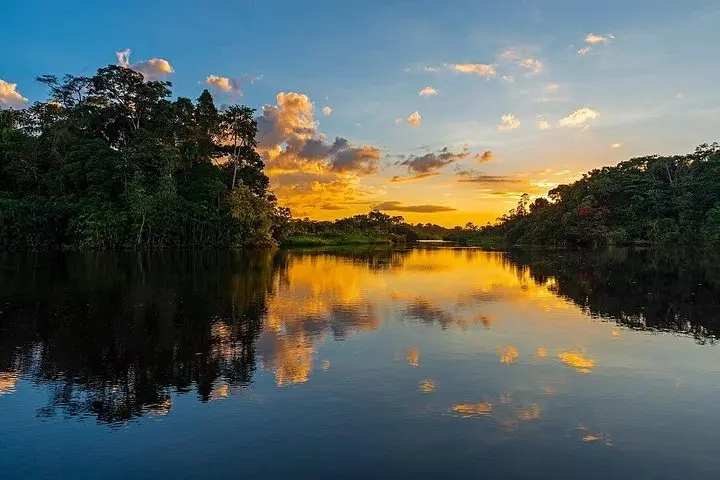
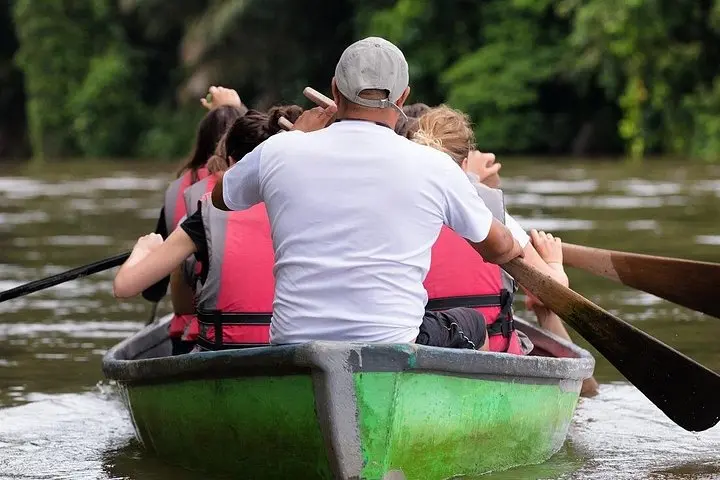
La Paz Waterfall Gardens opens with safe, well-signed trails and curated wildlife exhibits that introduce Costa Rica’s biodiversity. The Caribbean-side canals of Tortuguero read like a living atlas of wetlands ecology: floating pollen, caiman eyes bobbing, and communities that still weave livelihoods from river rhythms. Arenal sits on younger volcanic geology, lava fields and a lake that reflects the cone; its surrounding trails and hanging bridges expose secondary forest and abundant birdlife. Corcovado is the trip’s spine — old-growth humid forest, mangroves and beaches where tapirs and scarlet macaws are possible sightings.
History and culture are threaded through farming towns and small lodges; conservation is visible in park entrance systems, community-run guides and protected refuges established in the 1970s and ’80s.
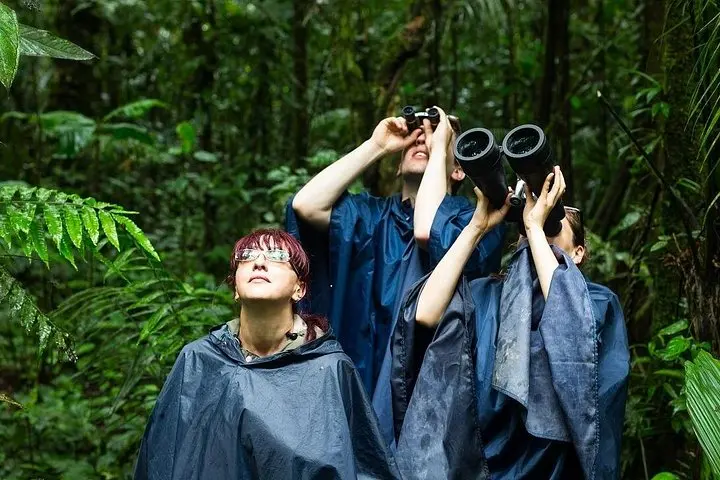
Practical guidance: expect varied terrain — boardwalks, muddy rainforest trails and rocky volcanic paths. Bring quick-dry layers, a reliable rain jacket, and closed-toe hiking shoes with good tread. Guided transfers and naturalist guides handle logistics, but physical demand is steady: regular hikes, boat transfers and some early starts for wildlife viewing. Carry local currency for park fees and gratuities, and time your travel for the dry season (Dec–Apr) if you prioritize drier trails and easier beach access.
Moderate fitness is recommended: expect daily activity such as boat transfers, boardwalks and 1–4 hour guided hikes; rest days are built in at some lodges.
Most tour activities and some park admissions are included, but certain national park fees (e.g., Tortuguero entry) may be payable locally — carry small cash.
Dry season (December–April) offers easier trail conditions, while the wet season (May–November) increases bird and amphibian activity; turtle nesting on Caribbean beaches typically peaks July–September.
Routine vaccinations are recommended; consult a travel clinic for malaria prophylaxis guidance depending on remote destinations and for advice on travelers’ diarrhea prevention.
Greenway Nature Day Tours operates guided outdoor trips and adventures with an emphasis on safety, stewardship, and memorable experiences.
You step into humid air at Juan Santamaría, luggage damp with the promise of rainforest. Over two weeks this itinerary moves like a current — cloud forest waterfalls near San José, slow boat canals of Tortuguero, wide wetlands at Caño Negro, the thermal silhouette of Arenal and the raw, ocean-fringed wilderness of Corcovado.
You step into humid air at Juan Santamaría, luggage damp with the promise of rainforest. Over two weeks this itinerary moves like a current — cloud forest waterfalls near San José, slow boat canals of Tortuguero, wide wetlands at Caño Negro, the thermal silhouette of Arenal and the raw, ocean-fringed wilderness of Corcovado.
La Paz Waterfall Gardens opens with safe, well-signed trails and curated wildlife exhibits that introduce Costa Rica’s biodiversity. The Caribbean-side canals of Tortuguero read like a living atlas of wetlands ecology: floating pollen, caiman eyes bobbing, and communities that still weave livelihoods from river rhythms. Arenal sits on younger volcanic geology, lava fields and a lake that reflects the cone; its surrounding trails and hanging bridges expose secondary forest and abundant birdlife. Corcovado is the trip’s spine — old-growth humid forest, mangroves and beaches where tapirs and scarlet macaws are possible sightings.
History and culture are threaded through farming towns and small lodges; conservation is visible in park entrance systems, community-run guides and protected refuges established in the 1970s and ’80s.
Practical guidance: expect varied terrain — boardwalks, muddy rainforest trails and rocky volcanic paths. Bring quick-dry layers, a reliable rain jacket, and closed-toe hiking shoes with good tread. Guided transfers and naturalist guides handle logistics, but physical demand is steady: regular hikes, boat transfers and some early starts for wildlife viewing. Carry local currency for park fees and gratuities, and time your travel for the dry season (Dec–Apr) if you prioritize drier trails and easier beach access.