THE ADVENTURE COLLECTIVE® · Independent discovery and booking for outdoor travel

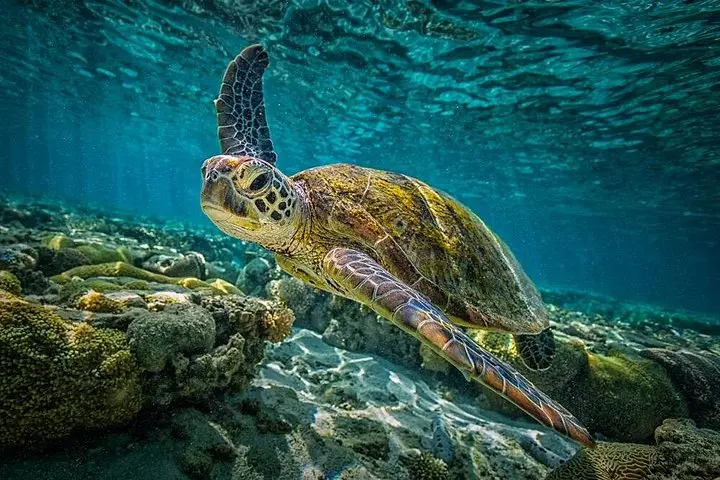
Spend seven days protecting nesting turtles and guiding hatchlings to the Pacific in a hands-on conservation program near Puntarenas. Expect nightly beach patrols, dorm lodging, and a mix of practical fieldwork and local downtime for surfing or nature hikes.
Spend seven days protecting nesting turtles and guiding hatchlings to the Pacific in a hands-on conservation program near Puntarenas. Expect nightly beach patrols, dorm lodging, and a mix of practical fieldwork and local downtime for surfing or nature hikes.
The night on a Pacific beach arrives like a slow tide: heat clings to the sand, stars take hold above the surf, and the dark line of the ocean dares you forward. Volunteers move in small groups with red-filtered headlamps, following protocols that keep nesting turtles and fragile hatchlings on course to the sea.
Verified experiences and guided adventures in the surrounding area.
Operated by CAS · Puntarenas, Puntarenas Province
The night on a Pacific beach arrives like a slow tide: heat clings to the sand, stars take hold above the surf, and the dark line of the ocean dares you forward. Volunteers move in small groups with red-filtered headlamps, following protocols that keep nesting turtles and fragile hatchlings on course to the sea.
This stretch of Costa Rica’s Pacific coast bears volcanic origin—dark sand, rocky outcrops and mangrove fringes shaped by tectonic uplift and seasonal swells. Local fishing villages and conservation groups have partnered for decades to protect turtles once hunted and disturbed; today community-run hatcheries and nightly patrols are common cultural practices that blend livelihood with stewardship.
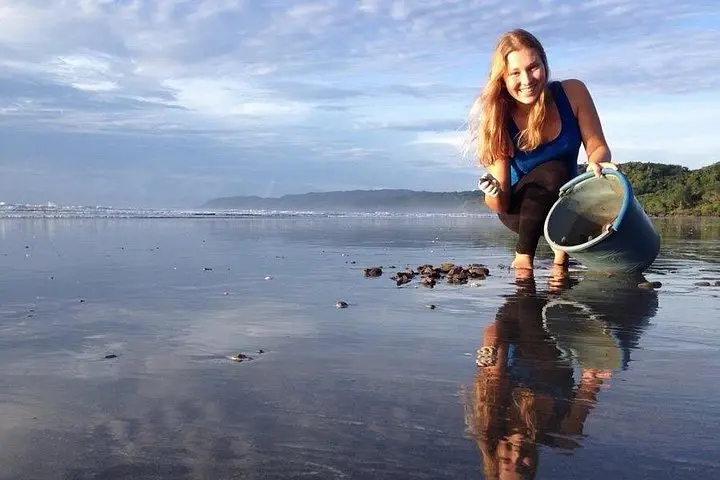
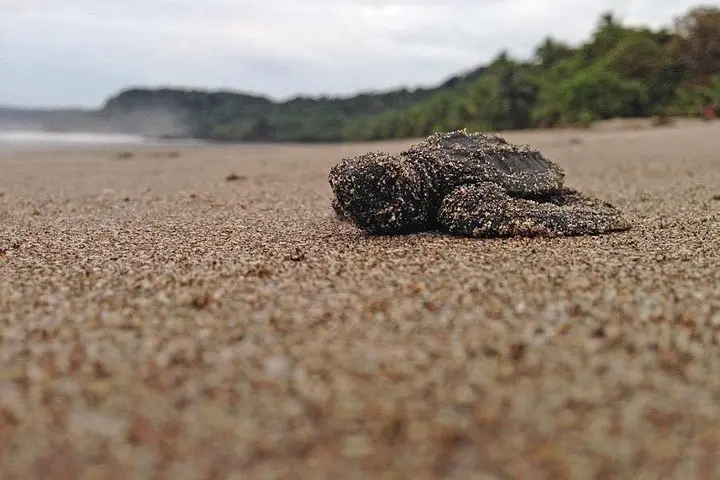
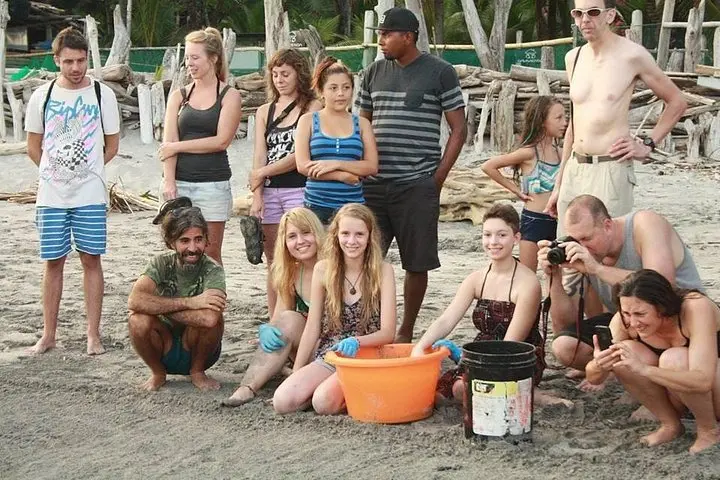
Expect a hands-on week: beach cleanups, nest checks, possible nest relocations, hatchery construction and escorted releases of baby turtles. Work often happens at night or at dawn when turtles come ashore; days off are for surfing, waterfall hikes or visiting nearby cafes in coastal towns.
Practical guidance: plan for hot, humid conditions and soft-sand walking—sturdy water shoes and high-traction sandals help. Bring a red-filter headlamp (white light is prohibited), long sleeves for mosquitoes, and reef-safe sunscreen. Accommodation is dorm-style; pack light, quick-dry clothing and a small daypack. Transportation to the project is commonly by bus or arranged transfer from Puntarenas; confirm meeting points ahead of time.
Volunteering here is physical but accessible: patience, respect for wildlife protocols and steady footing on sand matter more than advanced skills. The reward is immediate—tiny bodies racing toward a charged, pushing sea—and the knowledge that your time helped tip survival odds for threatened species.
No—projects provide training and run experienced staff or leaders who teach protocols for nest checks, relocations and hatchling escorts.
You’ll stay in shared dorm-style lodging with basic amenities; expect communal bathrooms and simple meals provided by the program.
Programs typically welcome adults in reasonable health; strenuous spinal issues, pregnancy or serious heart conditions are often restricted due to night patrols and physical tasks.
Most volunteers travel by public bus, shuttle or arranged transfer—confirm the meeting point and arrival window with organizers before booking.
CAS operates guided outdoor trips and adventures with an emphasis on safety, stewardship, and memorable experiences.
The night on a Pacific beach arrives like a slow tide: heat clings to the sand, stars take hold above the surf, and the dark line of the ocean dares you forward. Volunteers move in small groups with red-filtered headlamps, following protocols that keep nesting turtles and fragile hatchlings on course to the sea.
The night on a Pacific beach arrives like a slow tide: heat clings to the sand, stars take hold above the surf, and the dark line of the ocean dares you forward. Volunteers move in small groups with red-filtered headlamps, following protocols that keep nesting turtles and fragile hatchlings on course to the sea.
This stretch of Costa Rica’s Pacific coast bears volcanic origin—dark sand, rocky outcrops and mangrove fringes shaped by tectonic uplift and seasonal swells. Local fishing villages and conservation groups have partnered for decades to protect turtles once hunted and disturbed; today community-run hatcheries and nightly patrols are common cultural practices that blend livelihood with stewardship.
Expect a hands-on week: beach cleanups, nest checks, possible nest relocations, hatchery construction and escorted releases of baby turtles. Work often happens at night or at dawn when turtles come ashore; days off are for surfing, waterfall hikes or visiting nearby cafes in coastal towns.
Practical guidance: plan for hot, humid conditions and soft-sand walking—sturdy water shoes and high-traction sandals help. Bring a red-filter headlamp (white light is prohibited), long sleeves for mosquitoes, and reef-safe sunscreen. Accommodation is dorm-style; pack light, quick-dry clothing and a small daypack. Transportation to the project is commonly by bus or arranged transfer from Puntarenas; confirm meeting points ahead of time.
Volunteering here is physical but accessible: patience, respect for wildlife protocols and steady footing on sand matter more than advanced skills. The reward is immediate—tiny bodies racing toward a charged, pushing sea—and the knowledge that your time helped tip survival odds for threatened species.