THE ADVENTURE COLLECTIVE® · Independent discovery and booking for outdoor travel

An accessible full-day excursion from Quito to Cotopaxi National Park that pairs reflective views at Limpiopungo Lagoon with a guided trek toward the José Rivas Refuge (4,864 m). Expect high-altitude paramo, crisp light, and practical, non-technical hiking.
An accessible full-day excursion from Quito to Cotopaxi National Park that pairs reflective views at Limpiopungo Lagoon with a guided trek toward the José Rivas Refuge (4,864 m). Expect high-altitude paramo, crisp light, and practical, non-technical hiking.
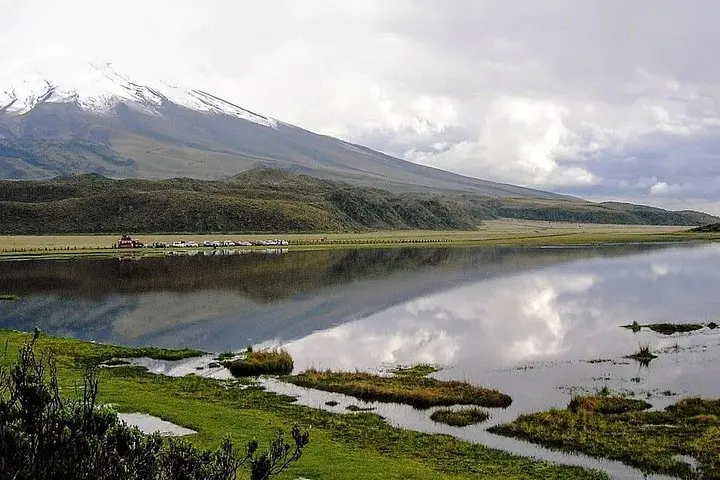
You arrive before the park fills: high paramo air bites at your cheeks and the broad cone of Cotopaxi looms, snow-streaked and indifferent. The road from Quito drops into wide grasslands where wind shapes the grasses and the volcano’s shadow reaches across rocky slopes. Limpiopungo’s glassy water reflects the peak; birds scatter like thrown coins.
Verified experiences and guided adventures in the surrounding area.
Operated by Traveler's Magic · Latacunga, Cotopaxi
You arrive before the park fills: high paramo air bites at your cheeks and the broad cone of Cotopaxi looms, snow-streaked and indifferent. The road from Quito drops into wide grasslands where wind shapes the grasses and the volcano’s shadow reaches across rocky slopes. Limpiopungo’s glassy water reflects the peak; birds scatter like thrown coins.
Cotopaxi is one of the world’s highest active volcanoes (summit 5,897 m) and the surrounding national park preserves a raw Andean landscape shaped by recent eruptions and glacial carving. The José Rivas Refuge sits at roughly 4,864 m, a human outpost against volcanic ridges and crater ice. Indigenous Kichwa communities have long respected these slopes; colonial chronicles and modern mountaineering both mark Cotopaxi as culturally significant and geologically volatile.
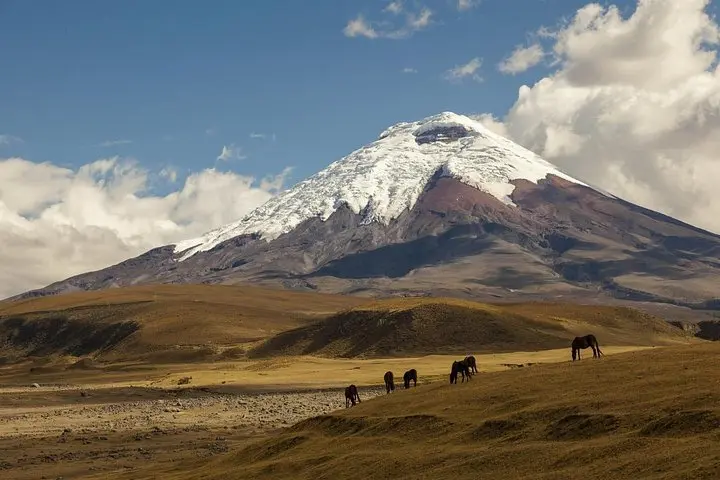
Expect paramo terrain—short tussock grasses, wind-worn rocks, volcanic scree—and clear, cold sunlight that intensifies at altitude. Guides lead short hikes around Limpiopungo and the trek toward José Rivas; the route favors good footwear and measured pacing rather than technical climbing. Wildlife is discreet but present: Andean geese and condors wheel overhead; wild horses sometimes graze on lower slopes.
Practical guidance: plan for an 8-hour round trip from Quito (roughly 50 km), carry layered clothing for strong sun and sudden wind, and allow time to acclimatize before ascending. Hydrate, use high-SPF sun protection, and follow your guide’s briefing on altitude symptoms. The day is straightforward logistically but demanding physiologically—respect the mountain and it will reward you with sweeping views and an intimate encounter with high-Andean ecology.
The tour is approximately 8 hours round-trip from Quito and includes private transport, park entrance, a guided visit to Limpiopungo Lagoon, a trek toward José Rivas Refuge, water, and accident insurance.
No technical climbing experience is required to visit the refuge on this day tour, but the altitude (about 4,864 m) makes the trek physically demanding—stamina and acclimatization matter more than technical skills.
Allow time to acclimatize in Quito or Latacunga, stay well-hydrated, avoid alcohol before the trip, and inform your guide about any history of heart or respiratory issues; descend immediately if you develop severe symptoms.
Yes—this tour includes entrance to Cotopaxi National Park and Limpiopungo Lagoon as stated in the itinerary.
Traveler's Magic operates guided outdoor trips and adventures with an emphasis on safety, stewardship, and memorable experiences.
You arrive before the park fills: high paramo air bites at your cheeks and the broad cone of Cotopaxi looms, snow-streaked and indifferent. The road from Quito drops into wide grasslands where wind shapes the grasses and the volcano’s shadow reaches across rocky slopes. Limpiopungo’s glassy water reflects the peak; birds scatter like thrown coins.
You arrive before the park fills: high paramo air bites at your cheeks and the broad cone of Cotopaxi looms, snow-streaked and indifferent. The road from Quito drops into wide grasslands where wind shapes the grasses and the volcano’s shadow reaches across rocky slopes. Limpiopungo’s glassy water reflects the peak; birds scatter like thrown coins.
Cotopaxi is one of the world’s highest active volcanoes (summit 5,897 m) and the surrounding national park preserves a raw Andean landscape shaped by recent eruptions and glacial carving. The José Rivas Refuge sits at roughly 4,864 m, a human outpost against volcanic ridges and crater ice. Indigenous Kichwa communities have long respected these slopes; colonial chronicles and modern mountaineering both mark Cotopaxi as culturally significant and geologically volatile.
Expect paramo terrain—short tussock grasses, wind-worn rocks, volcanic scree—and clear, cold sunlight that intensifies at altitude. Guides lead short hikes around Limpiopungo and the trek toward José Rivas; the route favors good footwear and measured pacing rather than technical climbing. Wildlife is discreet but present: Andean geese and condors wheel overhead; wild horses sometimes graze on lower slopes.
Practical guidance: plan for an 8-hour round trip from Quito (roughly 50 km), carry layered clothing for strong sun and sudden wind, and allow time to acclimatize before ascending. Hydrate, use high-SPF sun protection, and follow your guide’s briefing on altitude symptoms. The day is straightforward logistically but demanding physiologically—respect the mountain and it will reward you with sweeping views and an intimate encounter with high-Andean ecology.