THE ADVENTURE COLLECTIVE® · Independent discovery and booking for outdoor travel

Head into Cotopaxi National Park for a day of high-altitude hiking to the José Ribas Refuge. Expect dramatic volcano views, windswept páramo, and practical guidance on acclimatization and gear.
Head into Cotopaxi National Park for a day of high-altitude hiking to the José Ribas Refuge. Expect dramatic volcano views, windswept páramo, and practical guidance on acclimatization and gear.
You step out of the van into thin, cold air and the volcano answers—wind scouring the páramo, gravel crunching under boot, the snowed cone of Cotopaxi filling the sky like a blunt, luminous landmark.
Verified experiences and guided adventures in the surrounding area.
Operated by ToEcuador · Latacunga, Cotopaxi
You step out of the van into thin, cold air and the volcano answers—wind scouring the páramo, gravel crunching under boot, the snowed cone of Cotopaxi filling the sky like a blunt, luminous landmark.
Cotopaxi is one of the world’s highest active volcanoes, rising above broad grasslands that have fed Andean communities for centuries. Geologically recent lava and ash layers give the slopes a stark, dark profile against the white glacier. The José Ribas Refuge sits near 4,800 m (about 15,750 ft), an austere stone shelter used by climbers and park wardens. Local Quechua communities historically used the surrounding highlands for grazing; today park rangers and guides interpret both cultural ties and volcanic risks.
On this day trip you’ll drive through shifting microclimates—temperate valleys into windswept paramo—then hike up toward the refuge. Expect thin air, staccato bursts of view where the landscape opens to the volcano’s flanks, and wildlife adapted to altitude: wild horses, Andean foxes, and raptors that circle thermals.
Practical points: the full excursion runs about 7–8 hours including transit from Quito, with the uphill hike to the refuge commonly taking 1.5–3 hours depending on your start point and pace. Altitude is the main challenge—move slowly, hydrate, and avoid heavy exertion the first day. Sturdy hiking boots, warm layers, sun protection, and snacks will keep the day comfortable. Guides handle permits and logistics; with sensible pacing this trip delivers big views and a real taste of high-altitude Andean terrain.
No technical climbing experience is required, but prior acclimatization and good cardiovascular fitness reduce risk of altitude sickness.
Hike distances vary by start point; expect approximately 1.5–4 km of uphill walking with several hundred meters of elevation gain from common trailheads.
Many guided day tours include national park entrance and refuge access—confirm with your operator before booking.
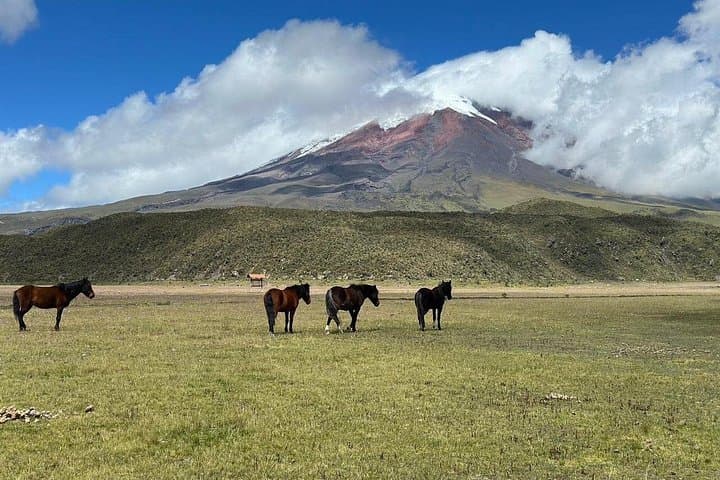
Look for wild horses grazing the páramo, Andean foxes at dawn/dusk, and raptors such as caracaras and condors riding thermals.
ToEcuador operates guided outdoor trips and adventures with an emphasis on safety, stewardship, and memorable experiences.
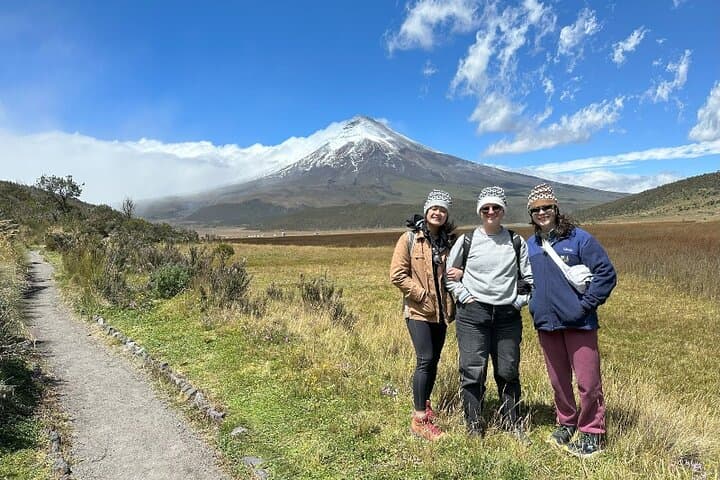
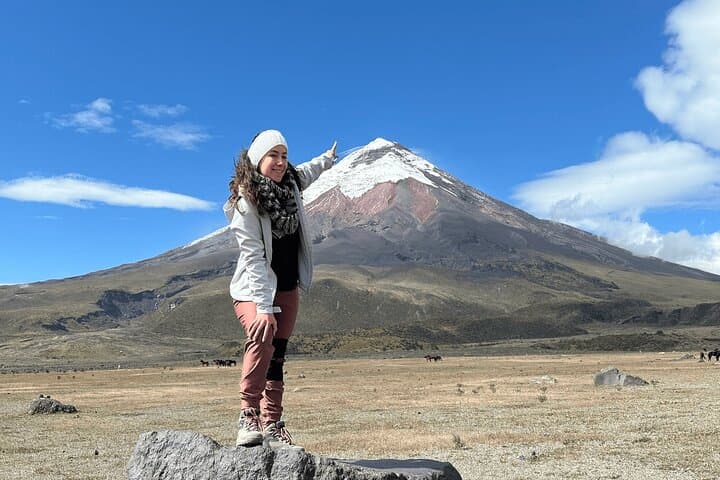
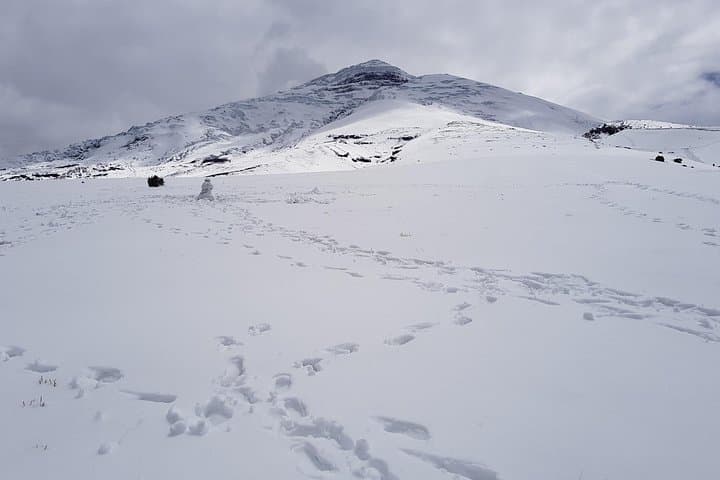
You step out of the van into thin, cold air and the volcano answers—wind scouring the páramo, gravel crunching under boot, the snowed cone of Cotopaxi filling the sky like a blunt, luminous landmark.
You step out of the van into thin, cold air and the volcano answers—wind scouring the páramo, gravel crunching under boot, the snowed cone of Cotopaxi filling the sky like a blunt, luminous landmark.
Cotopaxi is one of the world’s highest active volcanoes, rising above broad grasslands that have fed Andean communities for centuries. Geologically recent lava and ash layers give the slopes a stark, dark profile against the white glacier. The José Ribas Refuge sits near 4,800 m (about 15,750 ft), an austere stone shelter used by climbers and park wardens. Local Quechua communities historically used the surrounding highlands for grazing; today park rangers and guides interpret both cultural ties and volcanic risks.
On this day trip you’ll drive through shifting microclimates—temperate valleys into windswept paramo—then hike up toward the refuge. Expect thin air, staccato bursts of view where the landscape opens to the volcano’s flanks, and wildlife adapted to altitude: wild horses, Andean foxes, and raptors that circle thermals.
Practical points: the full excursion runs about 7–8 hours including transit from Quito, with the uphill hike to the refuge commonly taking 1.5–3 hours depending on your start point and pace. Altitude is the main challenge—move slowly, hydrate, and avoid heavy exertion the first day. Sturdy hiking boots, warm layers, sun protection, and snacks will keep the day comfortable. Guides handle permits and logistics; with sensible pacing this trip delivers big views and a real taste of high-altitude Andean terrain.