THE ADVENTURE COLLECTIVE® · Independent discovery and booking for outdoor travel
Spend a full, high-altitude day in Cotopaxi National Park: photograph Limpiopungo Lagoon, learn at the Interpretation Center, then hike to the José Rivas Refuge beneath Cotopaxi’s cone. This guided trip combines geology, culture and practical support for a demanding but accessible mountain day.
Spend a full, high-altitude day in Cotopaxi National Park: photograph Limpiopungo Lagoon, learn at the Interpretation Center, then hike to the José Rivas Refuge beneath Cotopaxi’s cone. This guided trip combines geology, culture and practical support for a demanding but accessible mountain day.
A highland morning opens cold and blue as the road from Quito climbs into thin air and the cone of Cotopaxi pins the horizon. You step out at Limpiopungo, where wind tugs at your jacket and the lagoon mirrors serrated ridgelines. Later the trail up to José Rivas Refuge obliges quick, breathy steps—each one a negotiation with altitude as the volcano watches, inscrutable and close.
Verified experiences and guided adventures in the surrounding area.
Operated by Ecuador Hop · Latacunga, Cotopaxi
A highland morning opens cold and blue as the road from Quito climbs into thin air and the cone of Cotopaxi pins the horizon. You step out at Limpiopungo, where wind tugs at your jacket and the lagoon mirrors serrated ridgelines. Later the trail up to José Rivas Refuge obliges quick, breathy steps—each one a negotiation with altitude as the volcano watches, inscrutable and close.
The park sits on volcanic terrain carved by glaciers and eruptions; Cotopaxi itself is one of the world’s highest active stratovolcanoes. Indigenous communities have long read the mountain’s moods, and mule tracks used for trade still thread nearby valleys. Geology here is recent and raw: ash layers, pumice slopes and steep moraines you’ll cross on short stretches of the hike.
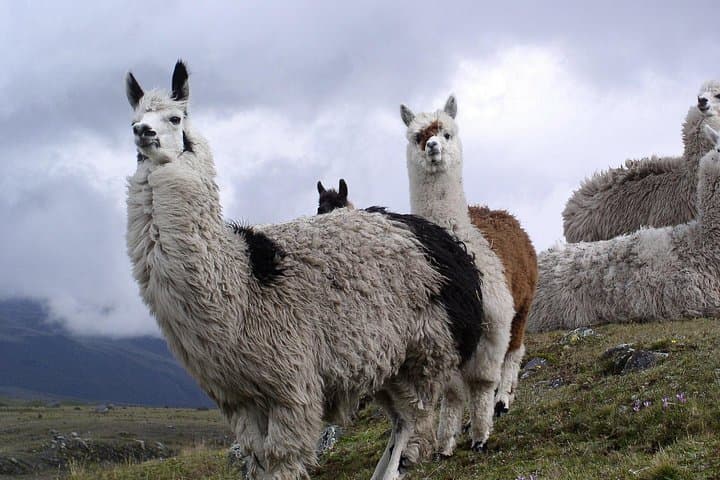
Expect clear, dry air, sharp sunlight and a landscape that shifts from páramo grasslands to rocky tundra as you gain elevation. Wildlife is sparse but bold—condors can wheel above thermals and herds of grazing camelids scatter across flats.
Practical guidance: this is a long day (about 11–12 hours door-to-door) with a one-hour slog to Rivas at roughly 4,860 m; acclimatize in Quito for 24–48 hours if possible. Dress in layers (windproof outer, insulated mid-layer), bring sunscreen and 2 liters of water, and wear sturdy boots with decent traction. Guides handle logistics and entrance fees; bring cash for lunch. Start early, move deliberately, and listen to your body—altitude is the main challenge here, not trail technicality.
Yes—this full-day tour includes park entrance and round-trip hotel pick-up from Quito within designated zones; confirm pick-up time after booking.
The trail is short (about an hour from the lower parking), but the climb to 4,864 m makes it physically demanding—go slow and watch for altitude symptoms.
Lunch is not included; the itinerary stops at a local restaurant where guides will recommend options and vegetarian meals are typically available.
Acclimatize beforehand, avoid alcohol, hydrate, descend immediately if severe symptoms occur, and notify your guide—tour operators carry basic first aid and protocols.
Ecuador Hop operates guided outdoor trips and adventures with an emphasis on safety, stewardship, and memorable experiences.
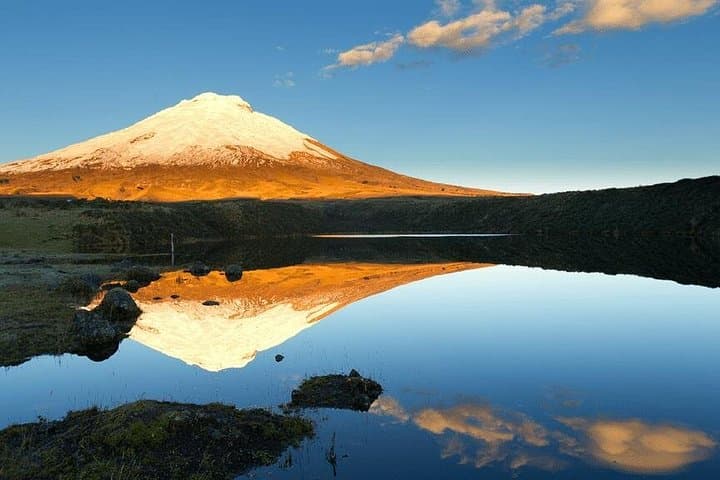
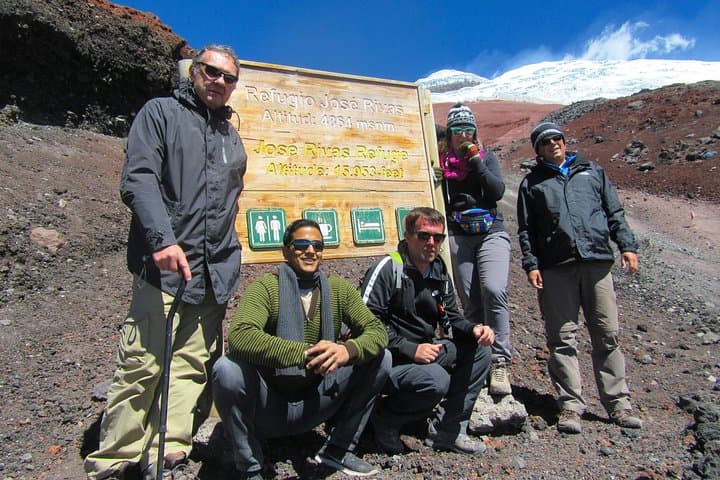
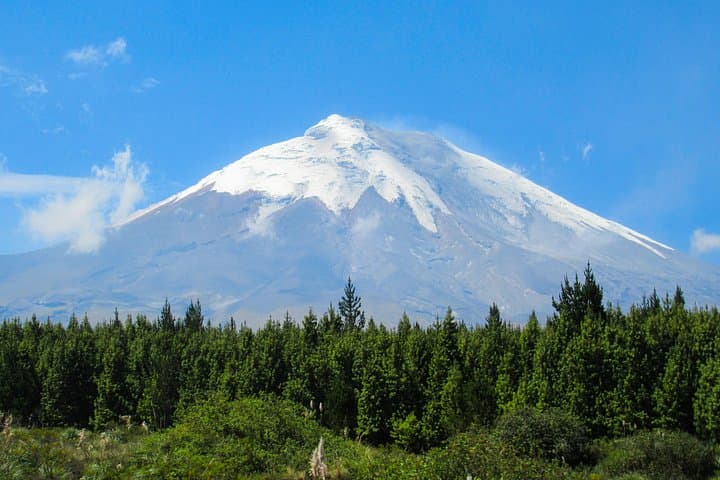
A highland morning opens cold and blue as the road from Quito climbs into thin air and the cone of Cotopaxi pins the horizon. You step out at Limpiopungo, where wind tugs at your jacket and the lagoon mirrors serrated ridgelines. Later the trail up to José Rivas Refuge obliges quick, breathy steps—each one a negotiation with altitude as the volcano watches, inscrutable and close.
A highland morning opens cold and blue as the road from Quito climbs into thin air and the cone of Cotopaxi pins the horizon. You step out at Limpiopungo, where wind tugs at your jacket and the lagoon mirrors serrated ridgelines. Later the trail up to José Rivas Refuge obliges quick, breathy steps—each one a negotiation with altitude as the volcano watches, inscrutable and close.
The park sits on volcanic terrain carved by glaciers and eruptions; Cotopaxi itself is one of the world’s highest active stratovolcanoes. Indigenous communities have long read the mountain’s moods, and mule tracks used for trade still thread nearby valleys. Geology here is recent and raw: ash layers, pumice slopes and steep moraines you’ll cross on short stretches of the hike.
Expect clear, dry air, sharp sunlight and a landscape that shifts from páramo grasslands to rocky tundra as you gain elevation. Wildlife is sparse but bold—condors can wheel above thermals and herds of grazing camelids scatter across flats.
Practical guidance: this is a long day (about 11–12 hours door-to-door) with a one-hour slog to Rivas at roughly 4,860 m; acclimatize in Quito for 24–48 hours if possible. Dress in layers (windproof outer, insulated mid-layer), bring sunscreen and 2 liters of water, and wear sturdy boots with decent traction. Guides handle logistics and entrance fees; bring cash for lunch. Start early, move deliberately, and listen to your body—altitude is the main challenge here, not trail technicality.
