THE ADVENTURE COLLECTIVE® · Independent discovery and booking for outdoor travel

A full-day ascent to José Rivas Refuge at Cotopaxi brings glacier views, condor sightings, and high-Andean páramo terrain. This Quito day trip mixes guided transport, a moderate hike above 4,000 m, and chances to see iconic wildlife.
A full-day ascent to José Rivas Refuge at Cotopaxi brings glacier views, condor sightings, and high-Andean páramo terrain. This Quito day trip mixes guided transport, a moderate hike above 4,000 m, and chances to see iconic wildlife.
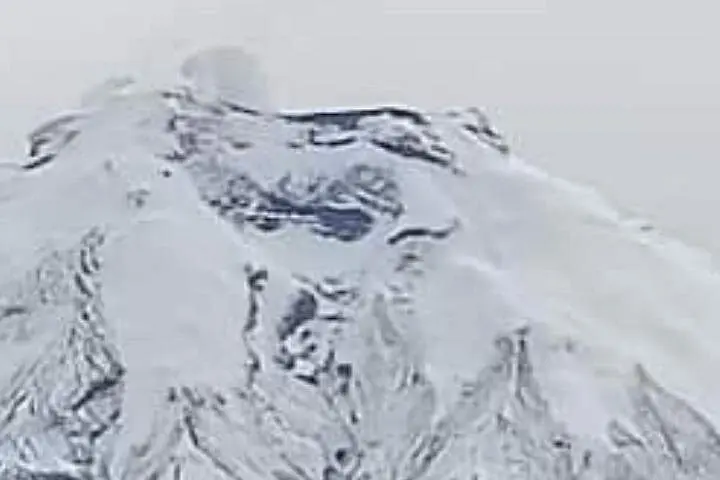
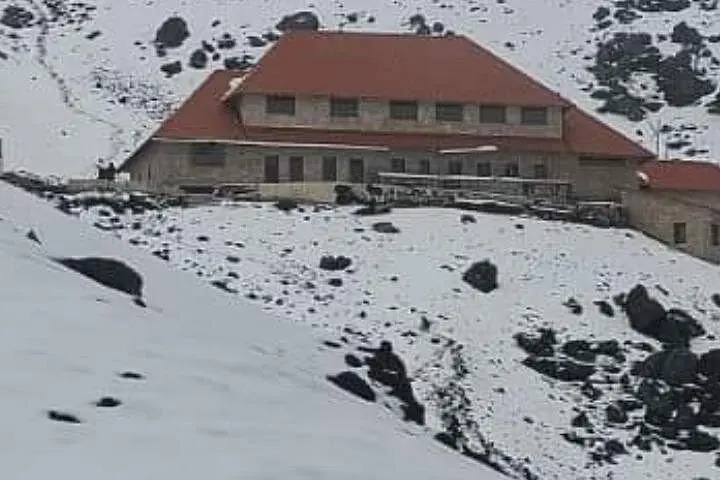
The road from Quito climbs out of the city into a sharpening light; fields thin, the air cools, and Cotopaxi’s cone grows until its glacier crowns the horizon. At the José Rivas refuge the world focuses—wind, rock, and a raw, white shoulder of ice that seems to dare you to look higher. Condors circle like slow punctuation above the inter-Andean valley.
Verified experiences and guided adventures in the surrounding area.
Operated by Alex Sensey Guia · Latacunga, Cotopaxi Province
The road from Quito climbs out of the city into a sharpening light; fields thin, the air cools, and Cotopaxi’s cone grows until its glacier crowns the horizon. At the José Rivas refuge the world focuses—wind, rock, and a raw, white shoulder of ice that seems to dare you to look higher. Condors circle like slow punctuation above the inter-Andean valley.
Cotopaxi is one of the world’s highest active stratovolcanoes and its slopes are carved by repeated eruptions and glacial work. The refuge sits above 4,000 m on volcanic scree and high páramo—open grassland shaped by cool, wet winds and centuries of Andean pastoral culture. Local haciendas and indigenous communities have long used the surrounding land for grazing; the volcano itself figures in Ecuadorian history as both a navigational landmark and a source of myth.
Visitors can expect a full-day experience (7–10 hours) that mixes roadside wildlife spotting—Andean foxes, grazing horses—and a short, often breath-stealing walk up to viewpoints near José Rivas. Terrain is high-elevation trail and volcanic talus with intermittent stone steps; weather shifts quickly, from blazing sun to sleet.
Practicalities matter: acclimatize in Quito or Latacunga, layer for wind and cold, bring sunscreen and water, and move slowly on steeper sections to manage altitude. The tour typically includes private transport, a guide, and lunch, and operates best in the drier months when visibility is highest for glacier and condor sightings. Respect park rules—the páramo is fragile, and staying on trails helps preserve it for the next ascent.
The refuge sits above 4,000 m (around 4,600–4,800 m depending on approach); summit attempts require technical gear and acclimatization and are not part of this day tour.
Mild altitude symptoms are common; guides monitor guests and recommend rest, hydration, and pacing—severe cases need descent and medical attention.
Look for Andean condors on thermals, grazing horses, Andean foxes, and high-altitude birds near the refuge and along the access road.
This tour typically includes private transport, a guide, and lunch; confirm whether park entrance fees are covered when booking.
Alex Sensey Guia operates guided outdoor trips and adventures with an emphasis on safety, stewardship, and memorable experiences.
The road from Quito climbs out of the city into a sharpening light; fields thin, the air cools, and Cotopaxi’s cone grows until its glacier crowns the horizon. At the José Rivas refuge the world focuses—wind, rock, and a raw, white shoulder of ice that seems to dare you to look higher. Condors circle like slow punctuation above the inter-Andean valley.
The road from Quito climbs out of the city into a sharpening light; fields thin, the air cools, and Cotopaxi’s cone grows until its glacier crowns the horizon. At the José Rivas refuge the world focuses—wind, rock, and a raw, white shoulder of ice that seems to dare you to look higher. Condors circle like slow punctuation above the inter-Andean valley.
Cotopaxi is one of the world’s highest active stratovolcanoes and its slopes are carved by repeated eruptions and glacial work. The refuge sits above 4,000 m on volcanic scree and high páramo—open grassland shaped by cool, wet winds and centuries of Andean pastoral culture. Local haciendas and indigenous communities have long used the surrounding land for grazing; the volcano itself figures in Ecuadorian history as both a navigational landmark and a source of myth.
Visitors can expect a full-day experience (7–10 hours) that mixes roadside wildlife spotting—Andean foxes, grazing horses—and a short, often breath-stealing walk up to viewpoints near José Rivas. Terrain is high-elevation trail and volcanic talus with intermittent stone steps; weather shifts quickly, from blazing sun to sleet.
Practicalities matter: acclimatize in Quito or Latacunga, layer for wind and cold, bring sunscreen and water, and move slowly on steeper sections to manage altitude. The tour typically includes private transport, a guide, and lunch, and operates best in the drier months when visibility is highest for glacier and condor sightings. Respect park rules—the páramo is fragile, and staying on trails helps preserve it for the next ascent.