THE ADVENTURE COLLECTIVE® · Independent discovery and booking for outdoor travel
A concise two-day circuit from Quito that pairs the high-altitude drama of Cotopaxi and Quilotoa with the waterfall‑rich adventure town of Baños. This private tour includes transport, guide, some meals and one night’s lodging.
A concise two-day circuit from Quito that pairs the high-altitude drama of Cotopaxi and Quilotoa with the waterfall‑rich adventure town of Baños. This private tour includes transport, guide, some meals and one night’s lodging.
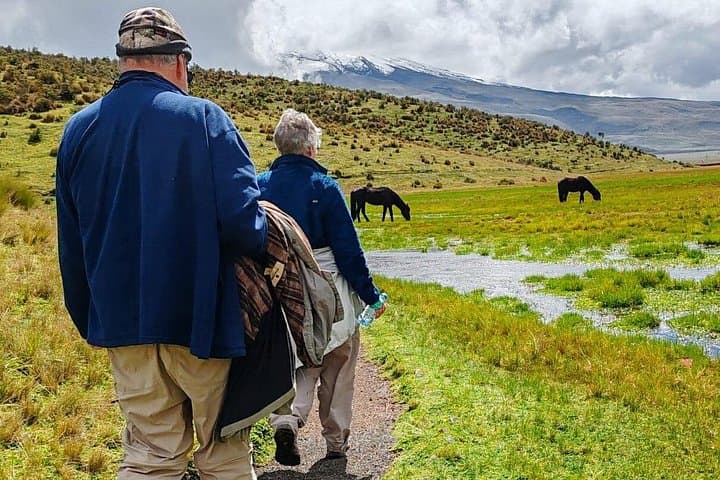
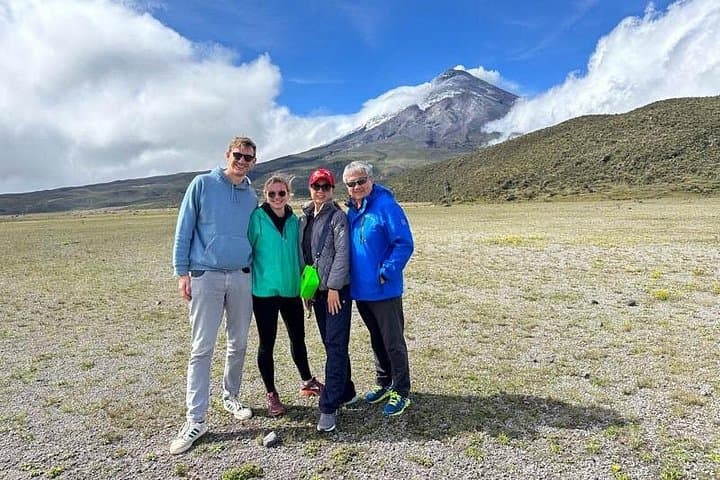
Dawn breaks over the Avenue of Volcanoes and the air is thin and high — the first day opens with Cotopaxi rising like a gray-white mast above páramo grasslands. Travelers step from the van into wind that pushes and sharpens the view: Cotopaxi’s crater, the glassy Limpiopungo lagoon ringed by cushion plants, then later the green bowl of Quilotoa, an acid-tinged caldera lake whose rim drops steeply into turquoise water.
Verified experiences and guided adventures in the surrounding area.
Operated by Quito Trip · Quito, Pichincha
Dawn breaks over the Avenue of Volcanoes and the air is thin and high — the first day opens with Cotopaxi rising like a gray-white mast above páramo grasslands. Travelers step from the van into wind that pushes and sharpens the view: Cotopaxi’s crater, the glassy Limpiopungo lagoon ringed by cushion plants, then later the green bowl of Quilotoa, an acid-tinged caldera lake whose rim drops steeply into turquoise water.
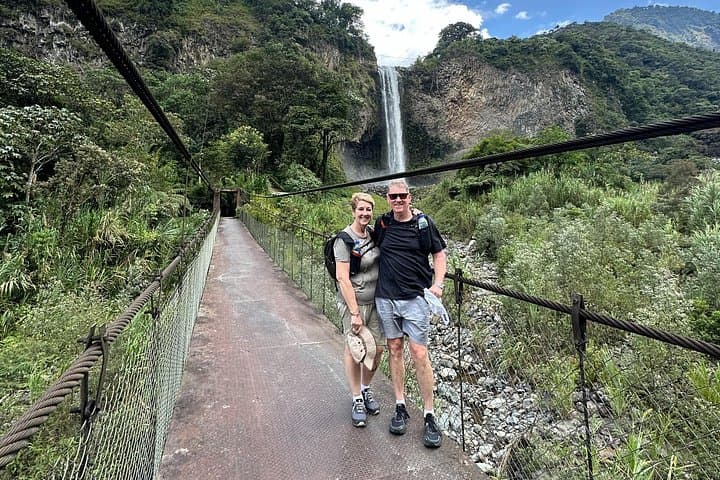
Cotopaxi is one of Ecuador’s most active peaks, part of the Northern Andes chain carved by repeated uplift and explosive eruptions. Quilotoa’s caldera formed after a major Plinian eruption; today visitors read the geology in layered ash and the lagoon’s changing color. By evening the group moves down to Baños de Agua Santa, a town famed for hot springs, cascading waterfalls and a long history as a gateway to the Amazon foothills and Tungurahua’s eruptions.
Expect rugged volcanic soils, high-altitude winds, and trails that range from flat lagoon loops to steep caldera rims. Guides on this private two-day route handle permits and logistics, and lodging in Baños is a straightforward mid-trip reset. Bring warm, windproof layers, sun protection and sturdy footwear; plan for rapid weather shifts and limited mobile signal in the park.
Practical timing: start early to avoid afternoon clouds at Quilotoa and leave extra time for stops between sites. Hydrate before arrival, walk slowly at altitude, and keep to marked trails — the páramo is fragile but rewarding for those who tread lightly.
Cotopaxi viewpoints are above 3,500 m and its summit is 5,897 m; Quilotoa rim sits around 3,800 m. Mild altitude symptoms are common — acclimatize, hydrate, avoid alcohol and ascend slowly.
The tour includes two lunches, breakfast, and one night’s lodging in Baños as stated in the itinerary.
Yes — the descent to the lagoon takes roughly 30 minutes each way but is steep; assess fitness and wear appropriate footwear.
Cotopaxi is approximately 1.5–2 hours from Quito by road; Quilotoa is around 2.5–3 hours depending on stops and road conditions.
Quito Trip operates guided outdoor trips and adventures with an emphasis on safety, stewardship, and memorable experiences.

Dawn breaks over the Avenue of Volcanoes and the air is thin and high — the first day opens with Cotopaxi rising like a gray-white mast above páramo grasslands. Travelers step from the van into wind that pushes and sharpens the view: Cotopaxi’s crater, the glassy Limpiopungo lagoon ringed by cushion plants, then later the green bowl of Quilotoa, an acid-tinged caldera lake whose rim drops steeply into turquoise water.
Dawn breaks over the Avenue of Volcanoes and the air is thin and high — the first day opens with Cotopaxi rising like a gray-white mast above páramo grasslands. Travelers step from the van into wind that pushes and sharpens the view: Cotopaxi’s crater, the glassy Limpiopungo lagoon ringed by cushion plants, then later the green bowl of Quilotoa, an acid-tinged caldera lake whose rim drops steeply into turquoise water.
Cotopaxi is one of Ecuador’s most active peaks, part of the Northern Andes chain carved by repeated uplift and explosive eruptions. Quilotoa’s caldera formed after a major Plinian eruption; today visitors read the geology in layered ash and the lagoon’s changing color. By evening the group moves down to Baños de Agua Santa, a town famed for hot springs, cascading waterfalls and a long history as a gateway to the Amazon foothills and Tungurahua’s eruptions.
Expect rugged volcanic soils, high-altitude winds, and trails that range from flat lagoon loops to steep caldera rims. Guides on this private two-day route handle permits and logistics, and lodging in Baños is a straightforward mid-trip reset. Bring warm, windproof layers, sun protection and sturdy footwear; plan for rapid weather shifts and limited mobile signal in the park.
Practical timing: start early to avoid afternoon clouds at Quilotoa and leave extra time for stops between sites. Hydrate before arrival, walk slowly at altitude, and keep to marked trails — the páramo is fragile but rewarding for those who tread lightly.
