THE ADVENTURE COLLECTIVE® · Independent discovery and booking for outdoor travel

See Cotopaxi’s icy cone and peer into Quilotoa’s emerald caldera in a single private day trip from Quito. This 8–10 hour tour packs two of Ecuador’s most elemental volcanic sights into efficient, photo-focused stops.
See Cotopaxi’s icy cone and peer into Quilotoa’s emerald caldera in a single private day trip from Quito. This 8–10 hour tour packs two of Ecuador’s most elemental volcanic sights into efficient, photo-focused stops.
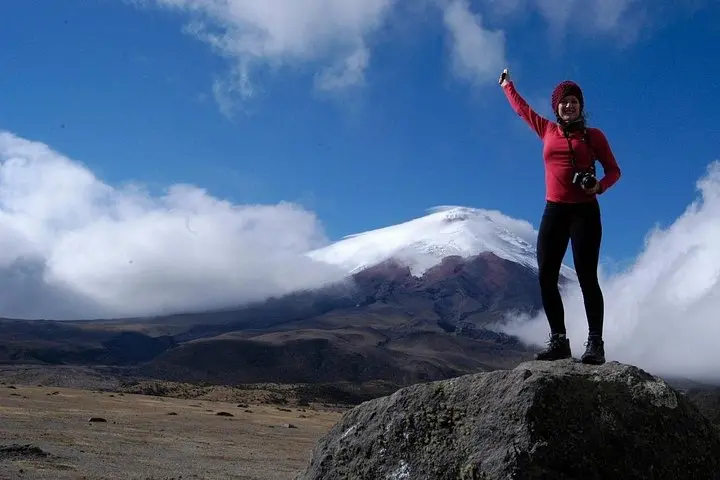
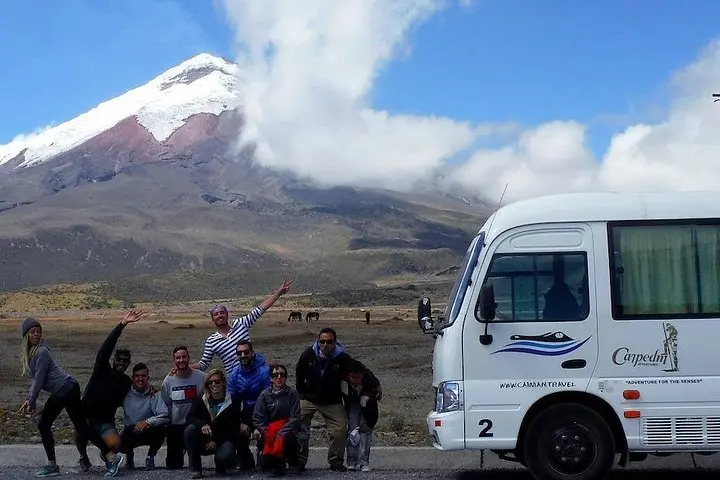
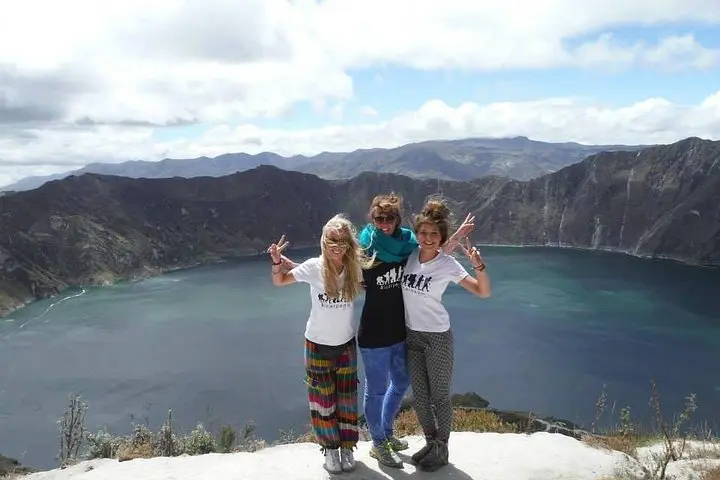
You leave Quito before dawn and the Andean highway opens like a page of live geology: scrubbed páramo, wind that pushes at your jacket, and the cone of Cotopaxi rising cold and deliberate above the plain. At the Cotopaxi viewpoint the mountain fills the windshield — a snow-and-ice cap on a near-perfect cone that can feel like it’s watching you back. Later, Quilotoa’s crater lake appears as an impossible bowl of green water, its rim giving a dizzying view into a three-kilometer caldera formed by a VEI-6 eruption about 800 years ago.
Verified experiences and guided adventures in the surrounding area.
Operated by CarpeDM Adventures · Quito, Pichincha
You leave Quito before dawn and the Andean highway opens like a page of live geology: scrubbed páramo, wind that pushes at your jacket, and the cone of Cotopaxi rising cold and deliberate above the plain. At the Cotopaxi viewpoint the mountain fills the windshield — a snow-and-ice cap on a near-perfect cone that can feel like it’s watching you back. Later, Quilotoa’s crater lake appears as an impossible bowl of green water, its rim giving a dizzying view into a three-kilometer caldera formed by a VEI-6 eruption about 800 years ago.
These stops trace Ecuador’s volcanic spine. Cotopaxi (about 5,897 m) is one of the world’s highest active stratovolcanoes and a historic landmark for local communities. Quilotoa’s caldera records explosive collapse; the lake’s color and clarity change with light and runoff. Locally, highland markets and indigenous Andean culture remain visible in towns you pass between stops.
Practically, this is a full, private day: expect 8–10 hours including two 30-minute photo stops, long highway drives, and exposure to high altitude. Weather shifts fast — sun, wind, and sudden rain are all possible. Bring layered clothing, water, sun protection, and allow time to acclimatize if you’ve recently arrived at sea level. If you plan short hikes at the crater rim, sturdy shoes and steady footing matter; otherwise the tour is accessible by vehicle and short viewpoints.
This trip is best for travelers who want dramatic alpine landscapes in one concentrated day with the convenience of a private guide and an air-conditioned vehicle.
The private tour runs about 8–10 hours with roughly 3–4 hours of combined driving each way between stops, depending on traffic and road conditions.
Yes for short viewpoint stops, but consider altitude effects; children and older travelers should move slowly and consult a doctor if they have cardiovascular issues.
No technical hiking skills are required for the standard photo stops; minor rim walks at Quilotoa are short but can be steep and slippery in spots.
Confirm with the operator—this private tour notes admissions are included, but carry small cash for local vendors or restroom fees in villages.
CarpeDM Adventures operates guided outdoor trips and adventures with an emphasis on safety, stewardship, and memorable experiences.
You leave Quito before dawn and the Andean highway opens like a page of live geology: scrubbed páramo, wind that pushes at your jacket, and the cone of Cotopaxi rising cold and deliberate above the plain. At the Cotopaxi viewpoint the mountain fills the windshield — a snow-and-ice cap on a near-perfect cone that can feel like it’s watching you back. Later, Quilotoa’s crater lake appears as an impossible bowl of green water, its rim giving a dizzying view into a three-kilometer caldera formed by a VEI-6 eruption about 800 years ago.
You leave Quito before dawn and the Andean highway opens like a page of live geology: scrubbed páramo, wind that pushes at your jacket, and the cone of Cotopaxi rising cold and deliberate above the plain. At the Cotopaxi viewpoint the mountain fills the windshield — a snow-and-ice cap on a near-perfect cone that can feel like it’s watching you back. Later, Quilotoa’s crater lake appears as an impossible bowl of green water, its rim giving a dizzying view into a three-kilometer caldera formed by a VEI-6 eruption about 800 years ago.
These stops trace Ecuador’s volcanic spine. Cotopaxi (about 5,897 m) is one of the world’s highest active stratovolcanoes and a historic landmark for local communities. Quilotoa’s caldera records explosive collapse; the lake’s color and clarity change with light and runoff. Locally, highland markets and indigenous Andean culture remain visible in towns you pass between stops.
Practically, this is a full, private day: expect 8–10 hours including two 30-minute photo stops, long highway drives, and exposure to high altitude. Weather shifts fast — sun, wind, and sudden rain are all possible. Bring layered clothing, water, sun protection, and allow time to acclimatize if you’ve recently arrived at sea level. If you plan short hikes at the crater rim, sturdy shoes and steady footing matter; otherwise the tour is accessible by vehicle and short viewpoints.
This trip is best for travelers who want dramatic alpine landscapes in one concentrated day with the convenience of a private guide and an air-conditioned vehicle.