THE ADVENTURE COLLECTIVE® · Independent discovery and booking for outdoor travel

Ascend volcanic sand to the José Rivas refuge on Cotopaxi, then unwind with birding around Limpiopungo Lagoon. This full-day trek combines high-altitude hiking with accessible wildlife viewing and big Andean panoramas.
Ascend volcanic sand to the José Rivas refuge on Cotopaxi, then unwind with birding around Limpiopungo Lagoon. This full-day trek combines high-altitude hiking with accessible wildlife viewing and big Andean panoramas.
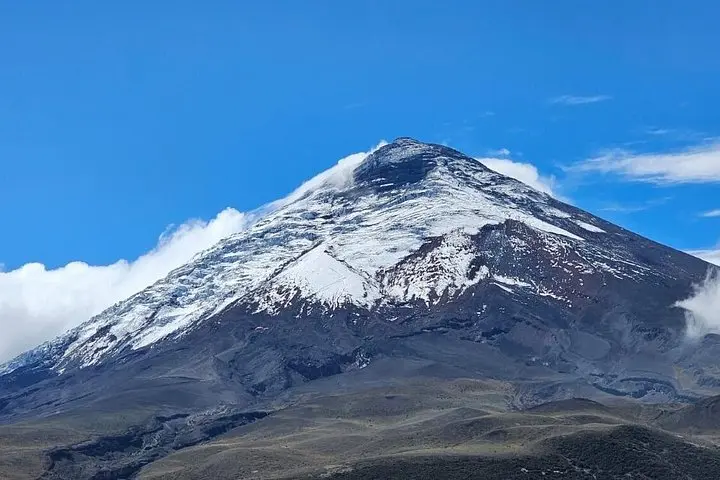
You start on a road of volcanic sand, wind pressing cold and thin against your cheeks, the cone of Cotopaxi rising like an engineered peak into a sky that's often silver-edged. The day opens with a two-hour drive from Quito across high Andean moorland; llamas and grazing horses drift past farms as the park gate climbs toward 3,400 m.
Verified experiences and guided adventures in the surrounding area.
Operated by Galapagos My World · Quito, Pichincha
You start on a road of volcanic sand, wind pressing cold and thin against your cheeks, the cone of Cotopaxi rising like an engineered peak into a sky that's often silver-edged. The day opens with a two-hour drive from Quito across high Andean moorland; llamas and grazing horses drift past farms as the park gate climbs toward 3,400 m.
Geology here is blunt and immediate: Cotopaxi is one of the world’s highest active stratovolcanoes, topping roughly 19,337 feet, its flanks shaped by repeated lava, ash and glacial action. Human history traces just as plainly—pre-Columbian communities built pukaras (fortresses) on nearby ridges, and the park landscape still carries traces of that use.
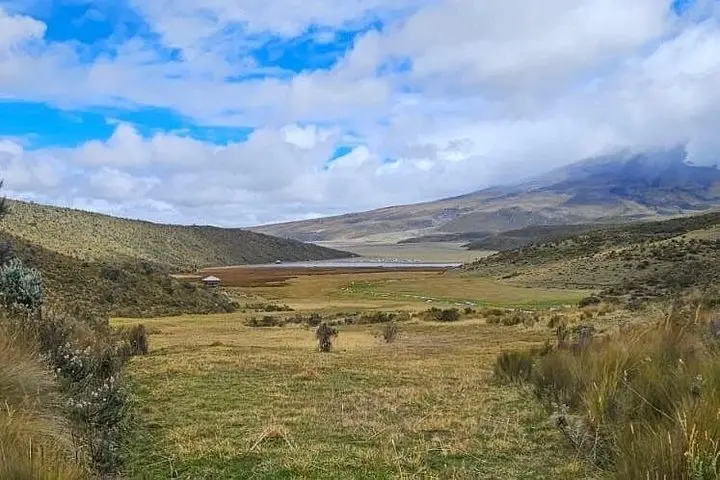
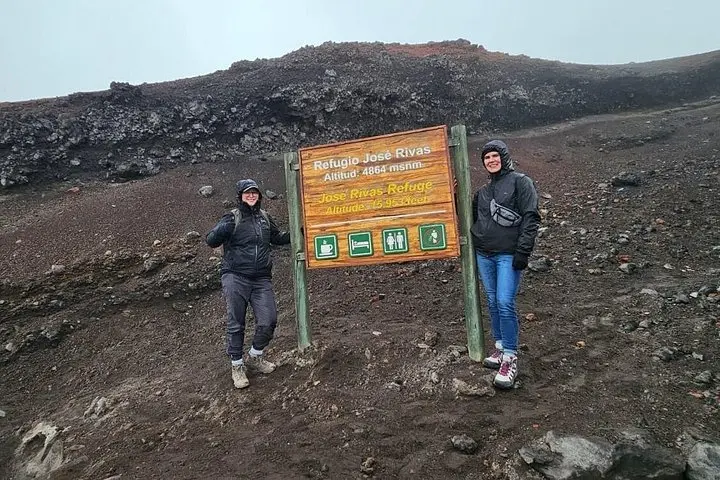
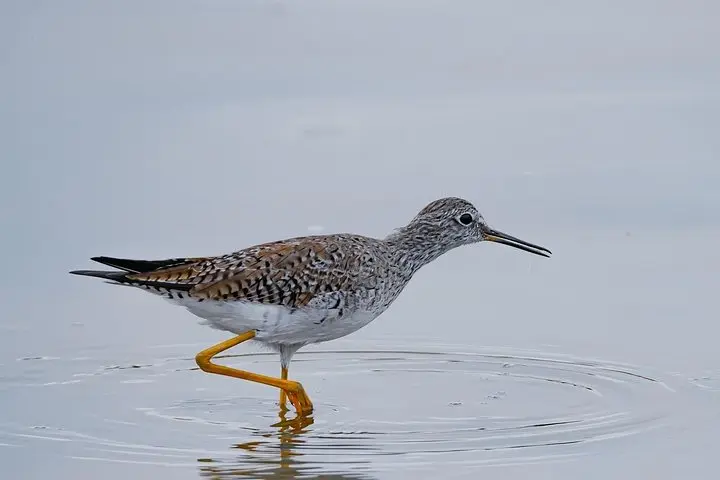
The walk up from the parking lot to José Rivas refuge (about 4,800 m / 15,748 ft) is roughly an hour over loose volcanic sand, graded slopes and short steeps; altitude, not technical difficulty, is the main challenge. After the refuge you’ll descend to Limpiopungo Lagoon, a mesotrophic bog-edge lake that draws Andean gulls, coots and occasional sandpipers—bring binoculars for concentrated birding on the lagoon loop.
Practical guidance: dress in layered insulating clothes, a windproof shell and sturdy boots with good grip. Move slowly to reduce altitude strain, hydrate frequently and plan for 7–8 hours round-trip including drive time. Park admission and a naturalist guide are usually included on organized day tours; check pickup details from Quito and allow morning as your best window for clearer light and calmer winds.
The trail is non-technical but challenging due to altitude and loose volcanic sand; the one-hour ascent from the parking area is slow and steady for most visitors.
Organized day trips include park admission and a naturalist guide; independent visitors must pay park fees and should have local guidance if unfamiliar with high-altitude conditions.
Expect Andean gulls, coots, teals and sometimes transient sandpipers; mammals like Andean foxes or deer are possible but less commonly seen.
Stop exertion, descend to a lower elevation if symptoms persist, hydrate, and seek medical help; mild symptoms often improve with rest and coca tea but take any severe signs seriously.
Galapagos My World operates guided outdoor trips and adventures with an emphasis on safety, stewardship, and memorable experiences.
You start on a road of volcanic sand, wind pressing cold and thin against your cheeks, the cone of Cotopaxi rising like an engineered peak into a sky that's often silver-edged. The day opens with a two-hour drive from Quito across high Andean moorland; llamas and grazing horses drift past farms as the park gate climbs toward 3,400 m.
You start on a road of volcanic sand, wind pressing cold and thin against your cheeks, the cone of Cotopaxi rising like an engineered peak into a sky that's often silver-edged. The day opens with a two-hour drive from Quito across high Andean moorland; llamas and grazing horses drift past farms as the park gate climbs toward 3,400 m.
Geology here is blunt and immediate: Cotopaxi is one of the world’s highest active stratovolcanoes, topping roughly 19,337 feet, its flanks shaped by repeated lava, ash and glacial action. Human history traces just as plainly—pre-Columbian communities built pukaras (fortresses) on nearby ridges, and the park landscape still carries traces of that use.
The walk up from the parking lot to José Rivas refuge (about 4,800 m / 15,748 ft) is roughly an hour over loose volcanic sand, graded slopes and short steeps; altitude, not technical difficulty, is the main challenge. After the refuge you’ll descend to Limpiopungo Lagoon, a mesotrophic bog-edge lake that draws Andean gulls, coots and occasional sandpipers—bring binoculars for concentrated birding on the lagoon loop.
Practical guidance: dress in layered insulating clothes, a windproof shell and sturdy boots with good grip. Move slowly to reduce altitude strain, hydrate frequently and plan for 7–8 hours round-trip including drive time. Park admission and a naturalist guide are usually included on organized day tours; check pickup details from Quito and allow morning as your best window for clearer light and calmer winds.