THE ADVENTURE COLLECTIVE® · Independent discovery and booking for outdoor travel

Spend a day from Quito exploring Cotopaxi National Park’s high páramo and Limpiopungo Lagoon, then unwind in the mineral baths of Papallacta. This accessible day trip pairs effortless nature walks with geothermal relaxation.
Spend a day from Quito exploring Cotopaxi National Park’s high páramo and Limpiopungo Lagoon, then unwind in the mineral baths of Papallacta. This accessible day trip pairs effortless nature walks with geothermal relaxation.
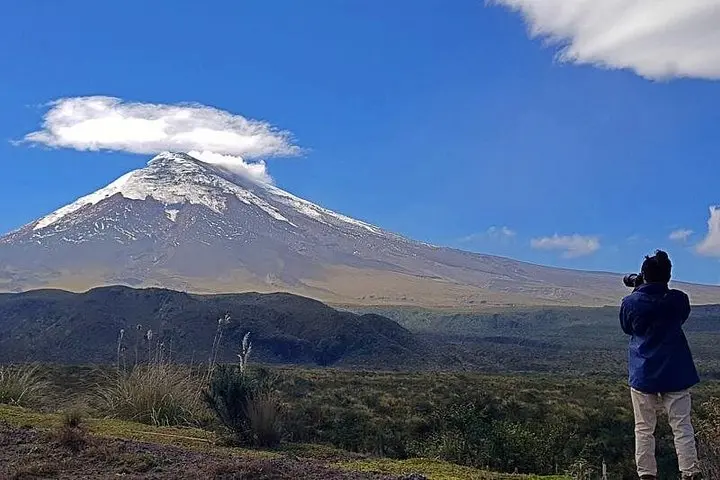
The day opens on a cold high plain: wind pushes across the páramo and the Cotopaxi cone pierces the sky — its snow rim bright against an alpine blue. You arrive by road from Quito, step out into thin air and walk the flat loop around Limpiopungo Lagoon where the volcano’s reflection shifts with gusts and clouds.
Verified experiences and guided adventures in the surrounding area.
Operated by Quito Trip · Quito, Pichincha
The day opens on a cold high plain: wind pushes across the páramo and the Cotopaxi cone pierces the sky — its snow rim bright against an alpine blue. You arrive by road from Quito, step out into thin air and walk the flat loop around Limpiopungo Lagoon where the volcano’s reflection shifts with gusts and clouds.
Cotopaxi is one of the world’s highest active stratovolcanoes at 5,897 m and sits in a national park created to protect fragile páramo ecosystems and Andean wildlife. The trail around Limpiopungo passes tussock grass, peat bogs and volcanic scree exposed by millennia of eruptions; the landscape still bears ash layers and glacial scours from past ice. Local Kichwa communities regard these peaks as powerful landscape features and the region’s grazing traditions and horse culture remain visible around park edges.
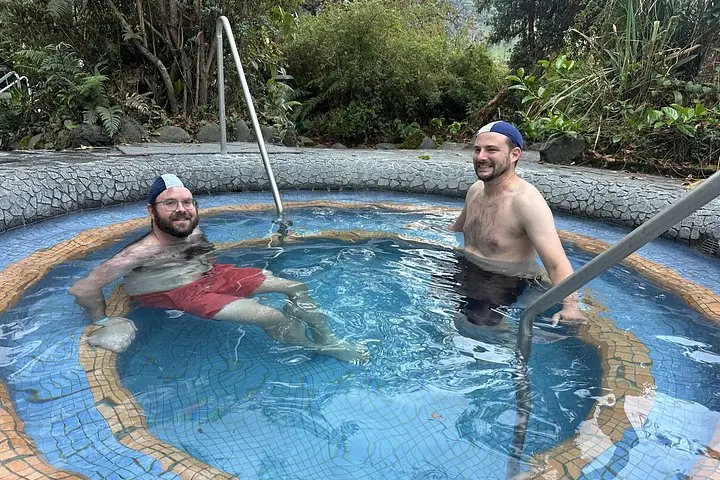
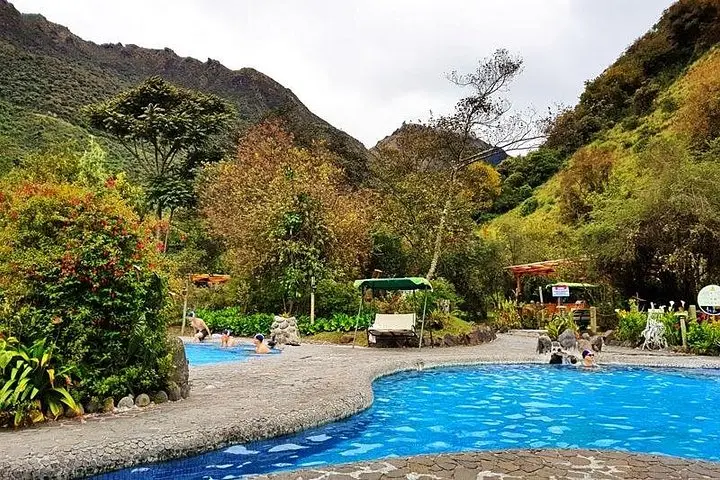
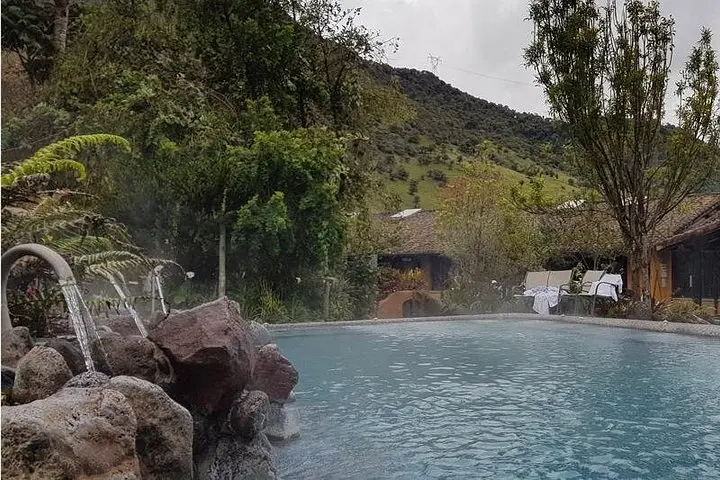
After exploring the lagoon and viewpoints you descend toward the eastern slopes and eventually the thermal pools of Papallacta, whose mineral-rich waters originate in geothermal systems fed by nearby volcanoes like Cayambe. The pools are ideal for easing altitude fatigue; many visitors pair a soak with a short massage.
Practical guidance: allow 7–8 hours, dress in windproof layers and a warm hat, and move slowly to manage altitude. Footwear should handle muddy meadow paths rather than technical climbs. Bring water, high-SPF sunscreen, and a camera with a polarizing filter if you want crisp volcano reflections. Expect strong sun, sudden weather shifts, and quieter wildlife sightings early in the morning. With sensible pacing, this day tour mixes accessible nature walks with restorative hot springs for a compact Andean experience.
The full-day experience lasts about 7–8 hours door-to-door from Quito, including stops at Cotopaxi, the Limpiopungo loop and Papallacta hot springs.
No technical fitness is required, but you should be comfortable walking 30–90 minutes at elevation and able to manage the effects of high altitude.
Symptoms can appear even in fit travelers; acclimatize in Quito, drink plenty of water, avoid alcohol before the tour and inform your guide of any concerns.
Most day tours include national park entrance and private transport; confirm inclusions when booking and bring ID for park permits.
Quito Trip operates guided outdoor trips and adventures with an emphasis on safety, stewardship, and memorable experiences.
The day opens on a cold high plain: wind pushes across the páramo and the Cotopaxi cone pierces the sky — its snow rim bright against an alpine blue. You arrive by road from Quito, step out into thin air and walk the flat loop around Limpiopungo Lagoon where the volcano’s reflection shifts with gusts and clouds.
The day opens on a cold high plain: wind pushes across the páramo and the Cotopaxi cone pierces the sky — its snow rim bright against an alpine blue. You arrive by road from Quito, step out into thin air and walk the flat loop around Limpiopungo Lagoon where the volcano’s reflection shifts with gusts and clouds.
Cotopaxi is one of the world’s highest active stratovolcanoes at 5,897 m and sits in a national park created to protect fragile páramo ecosystems and Andean wildlife. The trail around Limpiopungo passes tussock grass, peat bogs and volcanic scree exposed by millennia of eruptions; the landscape still bears ash layers and glacial scours from past ice. Local Kichwa communities regard these peaks as powerful landscape features and the region’s grazing traditions and horse culture remain visible around park edges.
After exploring the lagoon and viewpoints you descend toward the eastern slopes and eventually the thermal pools of Papallacta, whose mineral-rich waters originate in geothermal systems fed by nearby volcanoes like Cayambe. The pools are ideal for easing altitude fatigue; many visitors pair a soak with a short massage.
Practical guidance: allow 7–8 hours, dress in windproof layers and a warm hat, and move slowly to manage altitude. Footwear should handle muddy meadow paths rather than technical climbs. Bring water, high-SPF sunscreen, and a camera with a polarizing filter if you want crisp volcano reflections. Expect strong sun, sudden weather shifts, and quieter wildlife sightings early in the morning. With sensible pacing, this day tour mixes accessible nature walks with restorative hot springs for a compact Andean experience.