THE ADVENTURE COLLECTIVE® · Independent discovery and booking for outdoor travel

Head up from Quito into Cotopaxi National Park for a day that moves from Limpiopungo’s windswept lagoon to the José Rivas Refuge at 4,864 m. Expect short walks, alpine air, and volcanic scenery with practical preparation for high altitude.
Head up from Quito into Cotopaxi National Park for a day that moves from Limpiopungo’s windswept lagoon to the José Rivas Refuge at 4,864 m. Expect short walks, alpine air, and volcanic scenery with practical preparation for high altitude.
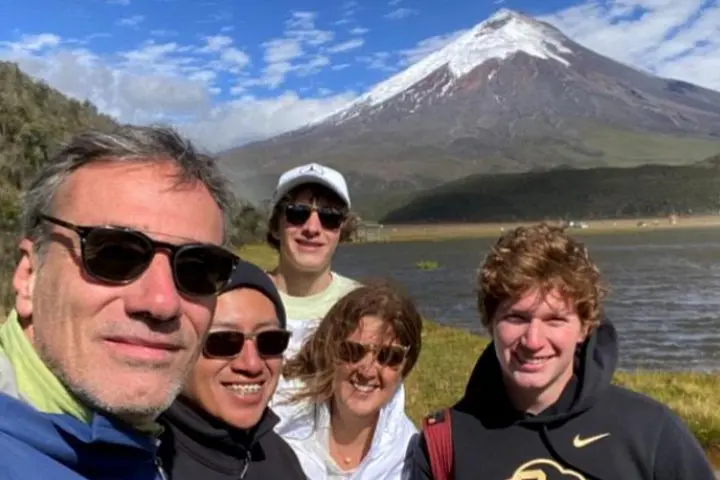
A pale highland sun lifts over the paramo as your van carves the road south from Quito, the city shrinking behind you and the cone of Cotopaxi growing taller and sharper. At Limpiopungo Lagoon, wind pulls at the surface and upland grasses lean like a chorus; the guide points out waterfowl and explains the park’s altitude ecology before you set off on short, gravelly trails.
Verified experiences and guided adventures in the surrounding area.
Operated by SUPAY ECUADOR TOUR · Quito, Cotopaxi Province
A pale highland sun lifts over the paramo as your van carves the road south from Quito, the city shrinking behind you and the cone of Cotopaxi growing taller and sharper. At Limpiopungo Lagoon, wind pulls at the surface and upland grasses lean like a chorus; the guide points out waterfowl and explains the park’s altitude ecology before you set off on short, gravelly trails.
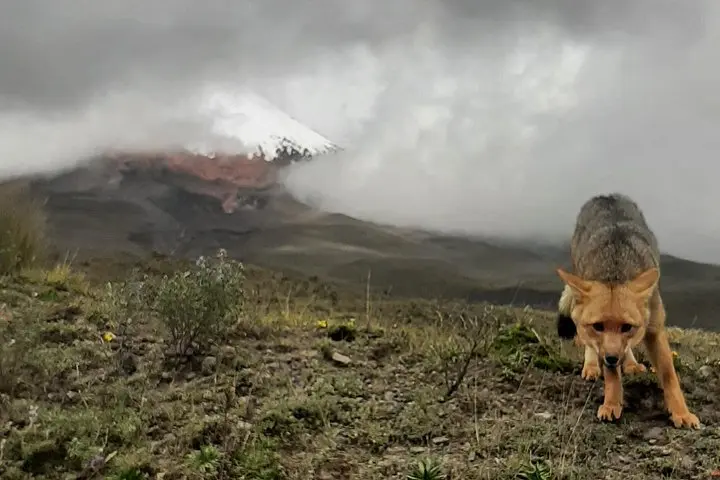
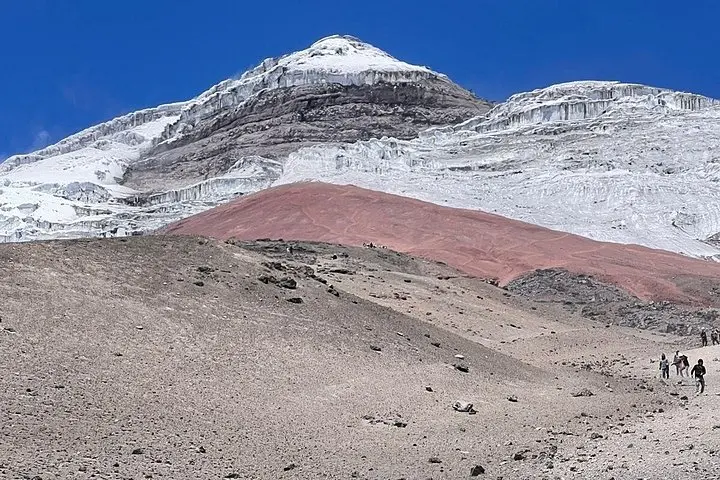
Cotopaxi is one of the highest active volcanoes in the world, its glacier-capped cone shaped by recent eruptions and persistent frost. The landscape here is volcanic rock and páramo — fragile, high-elevation grassland that supports Andean species and a long history of indigenous and national significance. Cotopaxi National Park, created in the 1970s to protect this landscape, offers clear views into volcanic geology: lava flows, ash-built slopes, and moraine-scraped basins.
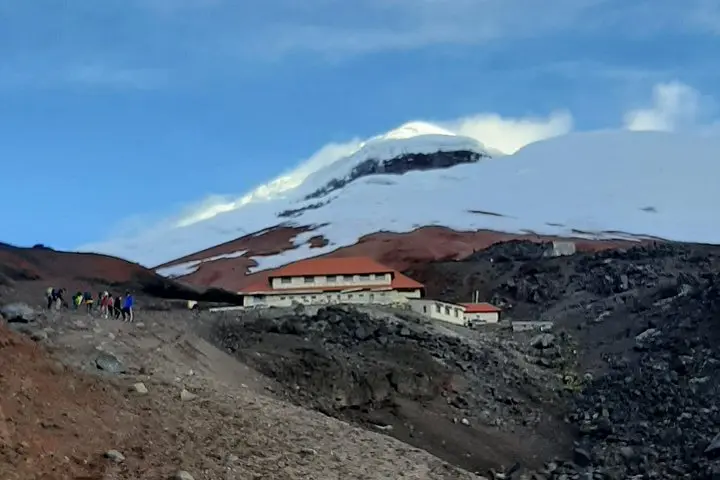
On this private day tour you’ll explore a roughly 2 km loop around Limpiopungo at about 3,850 m, drive through the park to the high parking area (≈4,300 m), then make the steep approach to José Rivas Refuge at 4,864 m. Expect rocky, scree-prone trails and thin air — every step feels longer at these elevations.
Practical edge: pace your ascent, drink frequently, layer for wind and sun, and accept that reaching the refuge is as much about acclimatization as it is distance. The outing runs 8–9 hours round trip from Quito and pairs clear scenic opportunities with real high-altitude hiking — rewarding, demanding, and best attempted with time to acclimatize.
The ascent is steep and short in distance but significant in elevation — about 500–600 m gain from the high parking area; thin air makes it feel harder than a low-altitude hike.
No technical climbing skills are required for the refuge route, but prior hiking experience and acclimatization are important for comfort and safety.
This tour itinerary lists admissions as included for park sites; confirm with the operator at booking for exact coverage.
Guides monitor symptoms and will descend anyone showing significant signs; bring medication you normally use and notify the operator of any health concerns prior.
SUPAY ECUADOR TOUR operates guided outdoor trips and adventures with an emphasis on safety, stewardship, and memorable experiences.
A pale highland sun lifts over the paramo as your van carves the road south from Quito, the city shrinking behind you and the cone of Cotopaxi growing taller and sharper. At Limpiopungo Lagoon, wind pulls at the surface and upland grasses lean like a chorus; the guide points out waterfowl and explains the park’s altitude ecology before you set off on short, gravelly trails.
A pale highland sun lifts over the paramo as your van carves the road south from Quito, the city shrinking behind you and the cone of Cotopaxi growing taller and sharper. At Limpiopungo Lagoon, wind pulls at the surface and upland grasses lean like a chorus; the guide points out waterfowl and explains the park’s altitude ecology before you set off on short, gravelly trails.
Cotopaxi is one of the highest active volcanoes in the world, its glacier-capped cone shaped by recent eruptions and persistent frost. The landscape here is volcanic rock and páramo — fragile, high-elevation grassland that supports Andean species and a long history of indigenous and national significance. Cotopaxi National Park, created in the 1970s to protect this landscape, offers clear views into volcanic geology: lava flows, ash-built slopes, and moraine-scraped basins.
On this private day tour you’ll explore a roughly 2 km loop around Limpiopungo at about 3,850 m, drive through the park to the high parking area (≈4,300 m), then make the steep approach to José Rivas Refuge at 4,864 m. Expect rocky, scree-prone trails and thin air — every step feels longer at these elevations.
Practical edge: pace your ascent, drink frequently, layer for wind and sun, and accept that reaching the refuge is as much about acclimatization as it is distance. The outing runs 8–9 hours round trip from Quito and pairs clear scenic opportunities with real high-altitude hiking — rewarding, demanding, and best attempted with time to acclimatize.