THE ADVENTURE COLLECTIVE® · Independent discovery and booking for outdoor travel

A half-day escape from Quito into the high Andes, this private Cotopaxi trip pairs an acclimatizing walk at Limpiopungo with the option to hike to José Ribas refuge at 4,800 m. Expect dramatic volcanic scenery, wild horses, and thin, bright air.
A half-day escape from Quito into the high Andes, this private Cotopaxi trip pairs an acclimatizing walk at Limpiopungo with the option to hike to José Ribas refuge at 4,800 m. Expect dramatic volcanic scenery, wild horses, and thin, bright air.
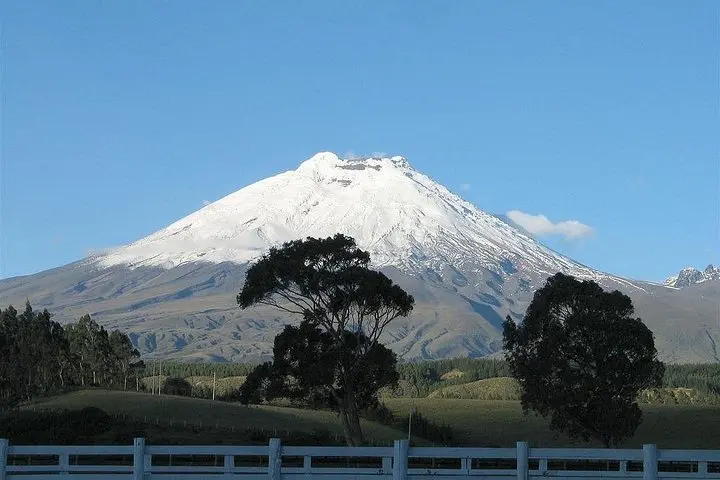
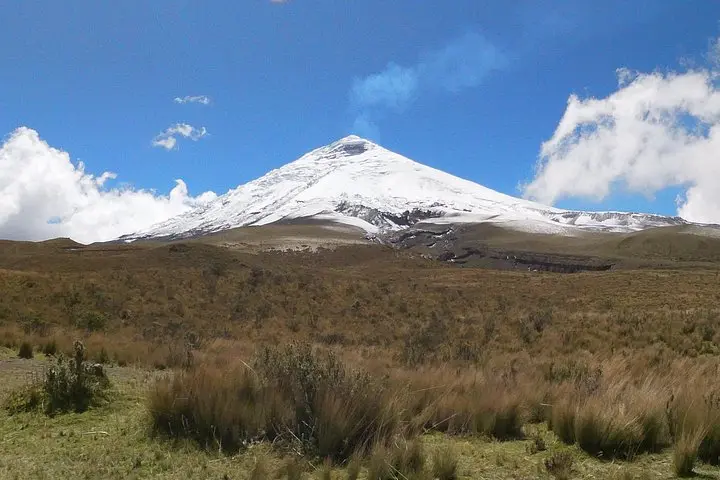
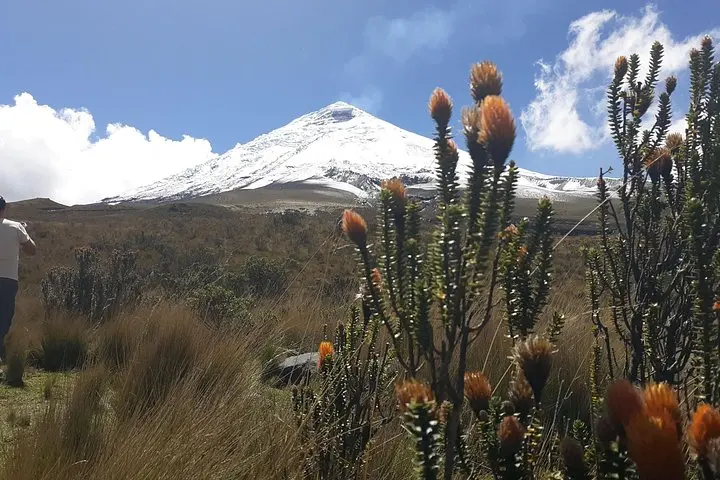
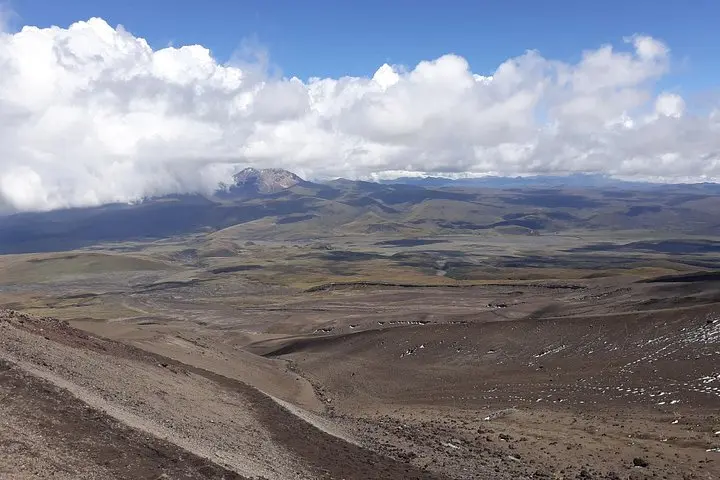
You arrive at the park gate and the air is thin and clear; Cotopaxi’s cone pins the equatorial sky, a stark white crown above the high grasslands. The drive from Quito takes you south through an avenue of volcanic summits, and within two hours the landscape opens to black lava fields, páramo grasses, and the broad bowl around Limpiopungo Lake.
Verified experiences and guided adventures in the surrounding area.
Operated by Ecuador Tour Guide · Latacunga, Cotopaxi
You arrive at the park gate and the air is thin and clear; Cotopaxi’s cone pins the equatorial sky, a stark white crown above the high grasslands. The drive from Quito takes you south through an avenue of volcanic summits, and within two hours the landscape opens to black lava fields, páramo grasses, and the broad bowl around Limpiopungo Lake.
Cotopaxi rises to 5,897 m, one of the tallest peaks in the Ecuadorian Andes and threaded through Inca-era routes. The national park shows active geology: glacial cirques, ash-layered slopes, and recent lava flows. Cultural traces—stone corrals, old haciendas—hint at centuries of highland shepherding; you’ll also see wild horses grazing the páramo, a living part of local rural life.
The typical day includes a stop at Limpiopungo (≈3,800 m) for an acclimatizing walk, a drive up to the parking area at ~4,600 m, and, weather permitting, a 45-minute ascent to the José Ribas refuge at ~4,800 m for views and hot chocolate. The tour includes private transport and an English-speaking guide; lunch at a local restaurant is optional.
Practical points: altitude is the primary challenge—plan for 6–8 hours, sip fluids, and move deliberately. Layer for wind and sun; afternoons can cloud in quickly. Footwear with firm traction suits rocky highland trails, and trekking poles ease steep sections. If you get headaches, descend—symptoms can progress quickly above 4,500 m. Morning departures give the best chance of clear views. With preparation, the day is a compact, high-elevation encounter with Ecuador’s volcanic spine.
Typical drive time is about two hours each way, depending on traffic and road conditions.
Yes—because the itinerary reaches 4,600–4,800 m, prior acclimatization in Quito or a gradual ascent is recommended to reduce altitude sickness risk.
Access depends on weather and your group's condition; guides assess safety and may recommend skipping the ascent if conditions are poor.
Private transportation, an English-speaking guide, water, and the park program (museum and visits); lunch is usually optional and not always included.
Ecuador Tour Guide operates guided outdoor trips and adventures with an emphasis on safety, stewardship, and memorable experiences.
You arrive at the park gate and the air is thin and clear; Cotopaxi’s cone pins the equatorial sky, a stark white crown above the high grasslands. The drive from Quito takes you south through an avenue of volcanic summits, and within two hours the landscape opens to black lava fields, páramo grasses, and the broad bowl around Limpiopungo Lake.
You arrive at the park gate and the air is thin and clear; Cotopaxi’s cone pins the equatorial sky, a stark white crown above the high grasslands. The drive from Quito takes you south through an avenue of volcanic summits, and within two hours the landscape opens to black lava fields, páramo grasses, and the broad bowl around Limpiopungo Lake.
Cotopaxi rises to 5,897 m, one of the tallest peaks in the Ecuadorian Andes and threaded through Inca-era routes. The national park shows active geology: glacial cirques, ash-layered slopes, and recent lava flows. Cultural traces—stone corrals, old haciendas—hint at centuries of highland shepherding; you’ll also see wild horses grazing the páramo, a living part of local rural life.
The typical day includes a stop at Limpiopungo (≈3,800 m) for an acclimatizing walk, a drive up to the parking area at ~4,600 m, and, weather permitting, a 45-minute ascent to the José Ribas refuge at ~4,800 m for views and hot chocolate. The tour includes private transport and an English-speaking guide; lunch at a local restaurant is optional.
Practical points: altitude is the primary challenge—plan for 6–8 hours, sip fluids, and move deliberately. Layer for wind and sun; afternoons can cloud in quickly. Footwear with firm traction suits rocky highland trails, and trekking poles ease steep sections. If you get headaches, descend—symptoms can progress quickly above 4,500 m. Morning departures give the best chance of clear views. With preparation, the day is a compact, high-elevation encounter with Ecuador’s volcanic spine.