THE ADVENTURE COLLECTIVE® · Independent discovery and booking for outdoor travel

Walk classic Cotswold villages and rolling limestone wolds on a supported 5–6 day itinerary from Moreton-in-Marsh. Expect 7–10 mile days, B&B nights, private transfers, cream teas, and a mix of open wold and stone-lined lanes.
Walk classic Cotswold villages and rolling limestone wolds on a supported 5–6 day itinerary from Moreton-in-Marsh. Expect 7–10 mile days, B&B nights, private transfers, cream teas, and a mix of open wold and stone-lined lanes.
You step off the train into Moreton-in-Marsh on a cool morning; limestone walls glow honey-gold and a river of sheep moves through distant pasture. The path pulls you upward across the high wolds, wind sharpening the lines of dry-stone walls while villages like Chipping Campden and Stow-on-the-Wold sit like well-kept chapters along the route.
Verified experiences and guided adventures in the surrounding area.
Operated by Walking the Cotswolds · Moreton-in-Marsh, Gloucestershire
You step off the train into Moreton-in-Marsh on a cool morning; limestone walls glow honey-gold and a river of sheep moves through distant pasture. The path pulls you upward across the high wolds, wind sharpening the lines of dry-stone walls while villages like Chipping Campden and Stow-on-the-Wold sit like well-kept chapters along the route.
This multi-day route threads centuries of history: medieval market towns born on the wool trade, Regency gardens at Sezincote, and the arboreal collections of Batsford House. Geology is plain in the pale Cotswold stone—Jurassic limestones carved into rolling escarpments and shallow valleys that hold lush meadows and village greens. Locally, tearooms, village pubs, and small craft shops continue a rural culture built on hospitality and walking traditions.
Expect daily mileage between 7–10 miles over mixed terrain: compacted farm tracks, short steep fields, lane sections, and a few stony stiles. Some days are gently downhill; others cross exposed wold with wind and rain possible year-round. Private transfers at key points and B&B accommodation each night make it accessible for hikers who want route support without camping.
Practical tips: start early to avoid afternoon crowds in Bourton and to catch cream tea windows; wear waterproof layers and boots with good grip for muddy field crossings; carry a map and basic first-aid; and plan for uneven surfaces and occasional field gates. The Cotswold Village Trail Ultra balances scenic variety with straightforward logistics—ideal for walkers who want sustained days on classic English countryside trails.
Most walkers arrive by train to Moreton-in-Marsh station, which is on the mainline from London and Oxford; transfers from the station are included.
Breakfast is provided each morning; other meals are not included but towns along the route have pubs and tearooms—cream tea is offered on arrival at Stow-on-the-Wold.
Private transportation is provided for transfers between start/end points and some segments, but confirm whether full luggage transfer is included when booking.
All sales are final—there is no refund for cancellations, so consider travel insurance that covers trip cancellation.
Walking the Cotswolds operates guided outdoor trips and adventures with an emphasis on safety, stewardship, and memorable experiences.
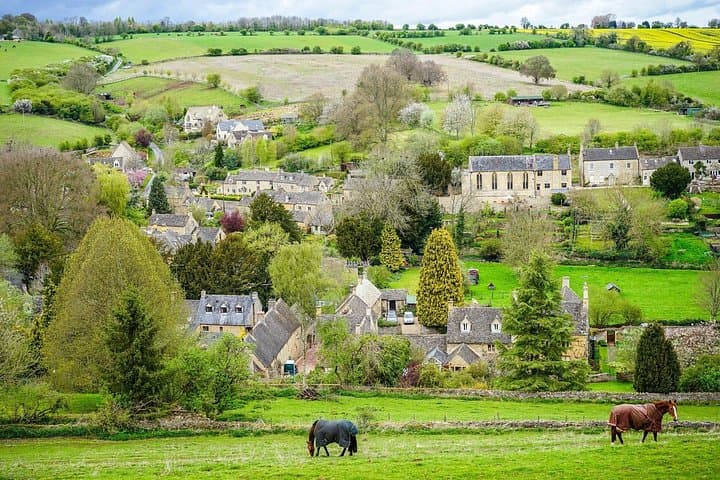
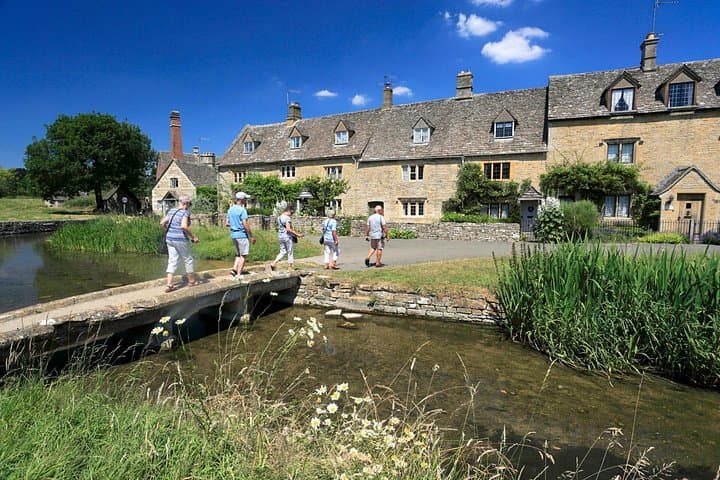
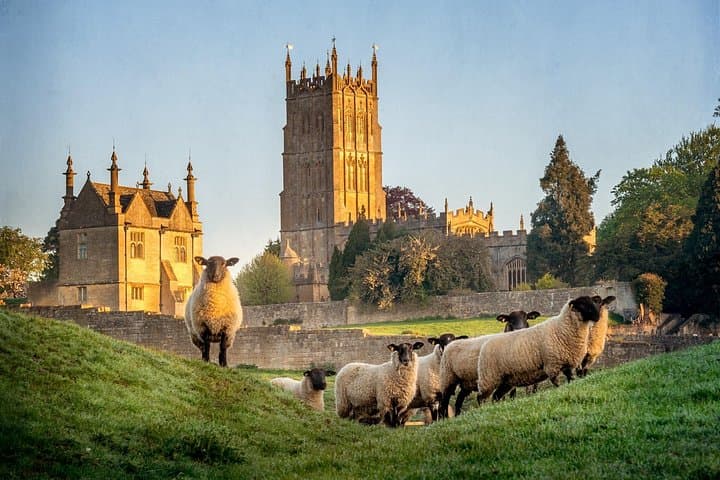

You step off the train into Moreton-in-Marsh on a cool morning; limestone walls glow honey-gold and a river of sheep moves through distant pasture. The path pulls you upward across the high wolds, wind sharpening the lines of dry-stone walls while villages like Chipping Campden and Stow-on-the-Wold sit like well-kept chapters along the route.
You step off the train into Moreton-in-Marsh on a cool morning; limestone walls glow honey-gold and a river of sheep moves through distant pasture. The path pulls you upward across the high wolds, wind sharpening the lines of dry-stone walls while villages like Chipping Campden and Stow-on-the-Wold sit like well-kept chapters along the route.
This multi-day route threads centuries of history: medieval market towns born on the wool trade, Regency gardens at Sezincote, and the arboreal collections of Batsford House. Geology is plain in the pale Cotswold stone—Jurassic limestones carved into rolling escarpments and shallow valleys that hold lush meadows and village greens. Locally, tearooms, village pubs, and small craft shops continue a rural culture built on hospitality and walking traditions.
Expect daily mileage between 7–10 miles over mixed terrain: compacted farm tracks, short steep fields, lane sections, and a few stony stiles. Some days are gently downhill; others cross exposed wold with wind and rain possible year-round. Private transfers at key points and B&B accommodation each night make it accessible for hikers who want route support without camping.
Practical tips: start early to avoid afternoon crowds in Bourton and to catch cream tea windows; wear waterproof layers and boots with good grip for muddy field crossings; carry a map and basic first-aid; and plan for uneven surfaces and occasional field gates. The Cotswold Village Trail Ultra balances scenic variety with straightforward logistics—ideal for walkers who want sustained days on classic English countryside trails.