THE ADVENTURE COLLECTIVE® · Independent discovery and booking for outdoor travel

Explore a real 1887 gold mine just outside Breckenridge: descend 1,000 feet of historic tunnel, pan for gold you can keep, and meet the site's friendly burros. This 1–2 hour, hands‑on tour blends geology, local mining history, and tactile outdoor fun.
Explore a real 1887 gold mine just outside Breckenridge: descend 1,000 feet of historic tunnel, pan for gold you can keep, and meet the site's friendly burros. This 1–2 hour, hands‑on tour blends geology, local mining history, and tactile outdoor fun.
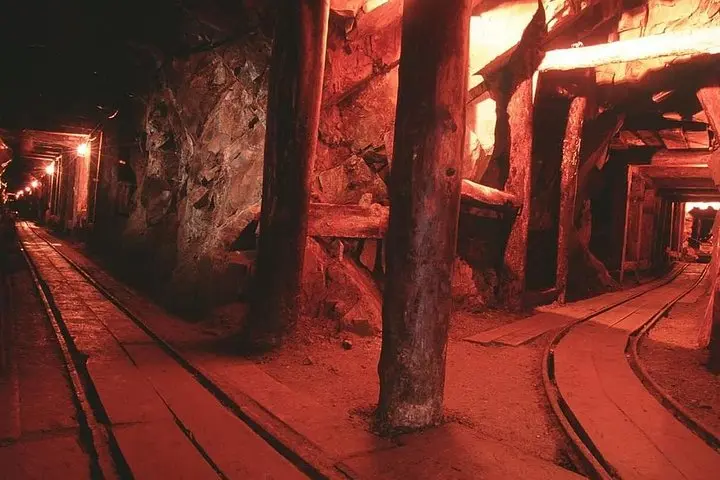
You step off Reiling Road into high, thin air and the rusted mouth of a real 19th‑century mine stares back—cold timber beams, a faint echo of pick and sluice, and the raw, metallic tang that still clings to the rock.
Verified experiences and guided adventures in the surrounding area.
Operated by Country Boy Mine · Breckenridge, Colorado
You step off Reiling Road into high, thin air and the rusted mouth of a real 19th‑century mine stares back—cold timber beams, a faint echo of pick and sluice, and the raw, metallic tang that still clings to the rock.
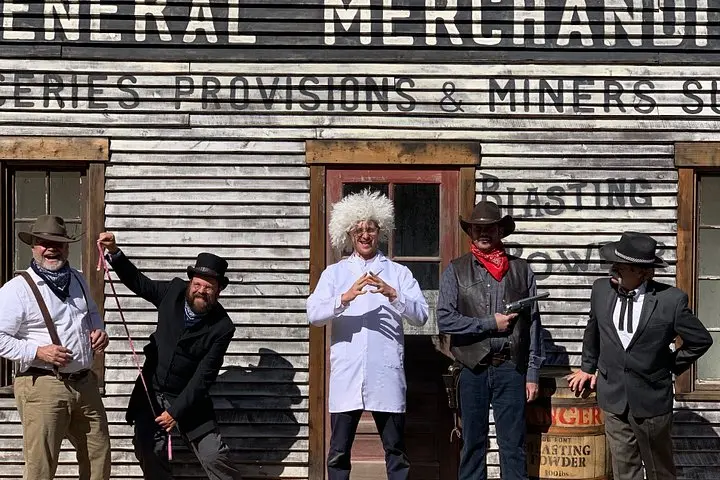
The Country Boy Mine opened in 1887 and grew into one of Breckenridge’s most productive operations. Geologically, it sits where hydrothermal veins cut through Precambrian and Paleozoic host rock; quartz and sulfide-rich veins concentrated the gold that drew prospectors. The site today blends working exhibits with preserved structures: an ore chute, the general store, and intact headframes that show how gravity and timber shaped extraction.
Culturally, the mine is a slice of Colorado’s resource-driven boom—miners, merchants, and pack animals shaped trails that local burros now meander. In summer the animals add a lively, tactile element; in winter the same access is limited by snow.
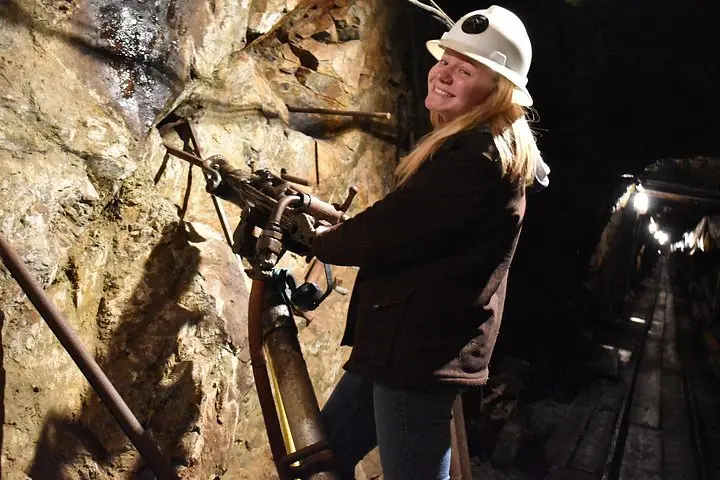
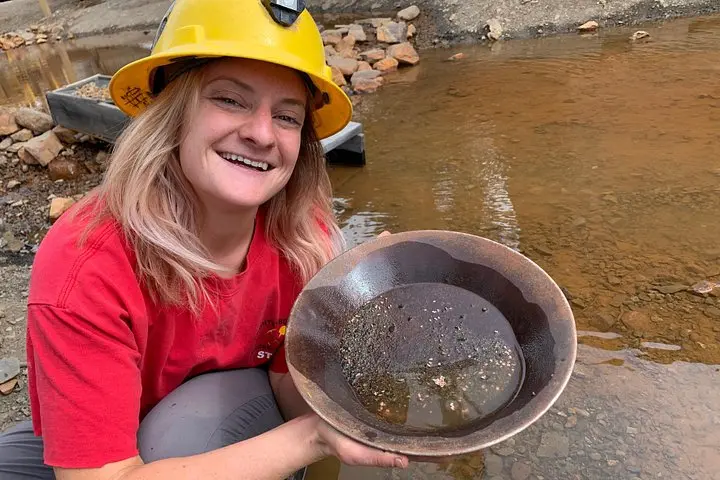
Expect a 1–2 hour experience that includes a guided 1,000‑foot underground tour, hands‑on gold panning where you keep any flakes, a turn down the 55‑foot ore chute, and short historic walks. Trail surfaces are uneven; tunnels are low and cool. Bring sturdy footwear, a warm midlayer, and a reusable water bottle. Time your visit for morning or late afternoon light to avoid the busiest hours and to give yourself time in the small on‑site museum.
Practical tip: this is a moderate activity—notify staff about mobility limits; service animals are allowed. Respect the burros, follow guide instructions underground, and pack out trash—this alpine landscape recovers slowly.
Yes—participants keep any flakes or small nuggets they find during the supervised panning activity.
No; tunnels include narrow, low‑ceiling sections and uneven footing—this tour is not wheelchair accessible.
Families are welcome; children should be supervised and meet minimum safety guidelines—check operator age policies when booking.
The mine is about 2 miles from downtown Breckenridge along Reiling Road with on‑site parking and nearby public transit options.
Country Boy Mine operates guided outdoor trips and adventures with an emphasis on safety, stewardship, and memorable experiences.
You step off Reiling Road into high, thin air and the rusted mouth of a real 19th‑century mine stares back—cold timber beams, a faint echo of pick and sluice, and the raw, metallic tang that still clings to the rock.
You step off Reiling Road into high, thin air and the rusted mouth of a real 19th‑century mine stares back—cold timber beams, a faint echo of pick and sluice, and the raw, metallic tang that still clings to the rock.
The Country Boy Mine opened in 1887 and grew into one of Breckenridge’s most productive operations. Geologically, it sits where hydrothermal veins cut through Precambrian and Paleozoic host rock; quartz and sulfide-rich veins concentrated the gold that drew prospectors. The site today blends working exhibits with preserved structures: an ore chute, the general store, and intact headframes that show how gravity and timber shaped extraction.
Culturally, the mine is a slice of Colorado’s resource-driven boom—miners, merchants, and pack animals shaped trails that local burros now meander. In summer the animals add a lively, tactile element; in winter the same access is limited by snow.
Expect a 1–2 hour experience that includes a guided 1,000‑foot underground tour, hands‑on gold panning where you keep any flakes, a turn down the 55‑foot ore chute, and short historic walks. Trail surfaces are uneven; tunnels are low and cool. Bring sturdy footwear, a warm midlayer, and a reusable water bottle. Time your visit for morning or late afternoon light to avoid the busiest hours and to give yourself time in the small on‑site museum.
Practical tip: this is a moderate activity—notify staff about mobility limits; service animals are allowed. Respect the burros, follow guide instructions underground, and pack out trash—this alpine landscape recovers slowly.