
Cova Crater to Paúl Valley Trek — Santo Antão’s Signature 5K
Walk the rim of Cova crater and descend into the lush Paúl Valley on Santo Antão. This guided 5K trek blends volcanic landscapes, working farms and village life with dramatic island views.
An Adventure In Porto Novo.
Walk the rim of Cova crater and descend into the lush Paúl Valley on Santo Antão. This guided 5K trek blends volcanic landscapes, working farms and village life with dramatic island views.
Read the full experience
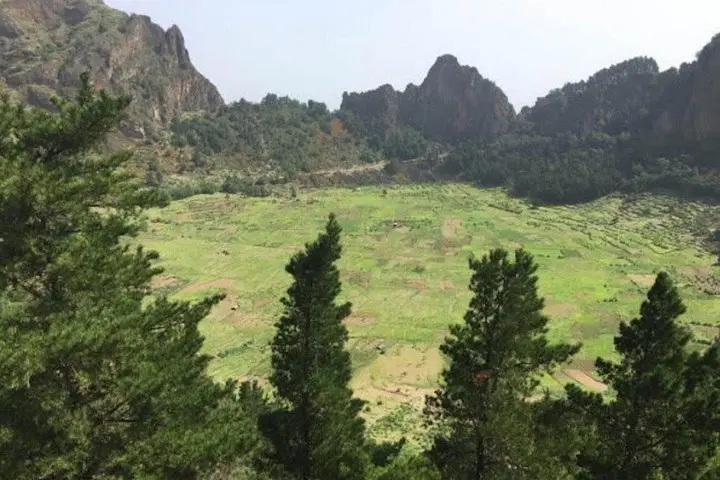
You step out of the minivan onto a ridge where trade winds cut clean and the island opens below — a deep green bowl of fields, terraces and red-roofed farms spilling into the Paúl Valley. The rim of Cova crater stands like an ancient collar, its basalt lip framing views that make the scale of Santo Antão obvious: sharp ridges, carved gullies and villages clinging to slopes.
You step out of the minivan onto a ridge where trade winds cut clean and the island opens below — a deep green bowl of fields, terraces and red-roofed farms spilling into the Paúl Valley. The rim of Cova crater stands like an ancient collar, its basalt lip framing views that make the scale of Santo Antão obvious: sharp ridges, carved gullies and villages clinging to slopes.
Geologically this is volcanic terrain: Cova is a collapsed caldera whose rich ash soils feed the valley below. Historically, Paúl has been a lifeline — terraces and irrigation systems worked by generations of farmers produce sugarcane, bananas and coffee. Your guide will point out grogue distilleries and explain local farming rhythms as you pass small settlements where people still move by foot and mule.
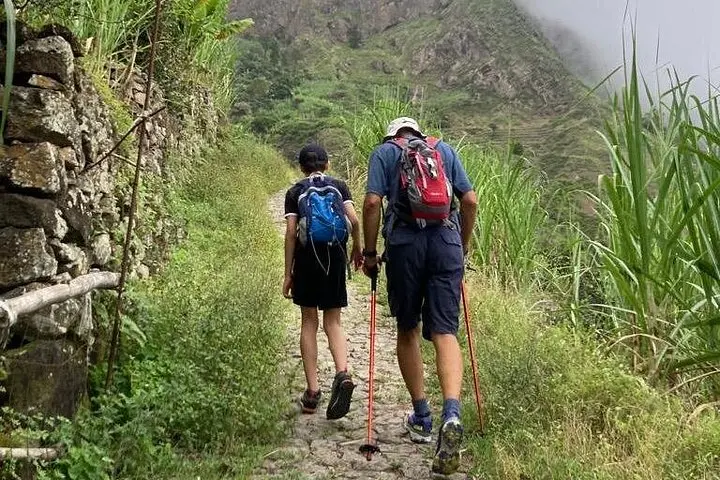
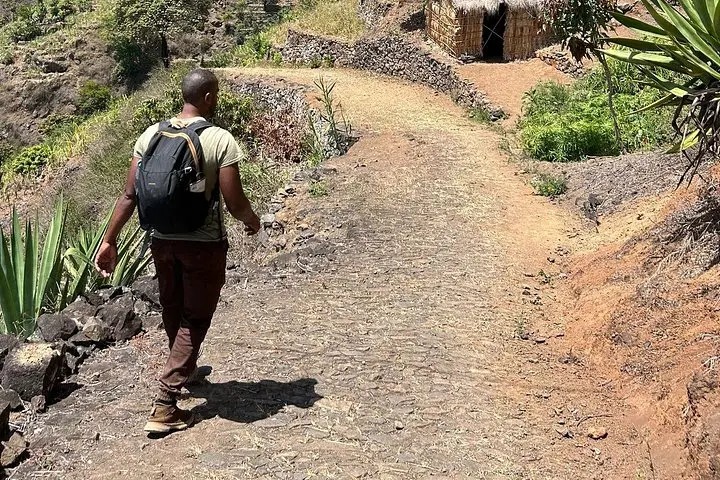
The route moves from exposed ridge into sheltering paths down into the crater, then into the cultivated valley. Expect switchbacks, packed volcanic soil, occasional loose scree and narrow mule tracks. Sound carries — livestock lowing and distant radios — and the vegetation shifts from wind-pruned scrub to orchard trees nearer the villages.
Practical guidance: start early to avoid midday sun; bring 1–2 liters of water, layered clothing for gusty winds, and shoes with good grip. The hike is accessible for reasonably fit travelers but includes uneven terrain and some steep sections; the operator provides private transport and a local guide, with a mid-day stop for a typical local lunch (not included). Respect private farmland, carry out trash, and ask before photographing people. This is a short but culturally rich mountain walk—hard work rewarded by wide views and authentic encounters.
Frequently asked questions
The guided experience runs about 3–4 hours of walking within a 6-hour tour window that includes transport, viewpoints and a lunch stop.
Walkers with basic mobility and moderate fitness can do it; the path includes some steep or uneven sections and is not recommended for those with serious back or heart conditions.
Lunch at a local restaurant in Paúl is not included; bring cash (€10–20 typical). Guides usually provide bottled water only if specified in the booking.
Yes, but always ask permission—farmers and families are often proud to share their way of life but privacy and respect matter.
About This Experience
Green Line Tours Cabo Verde operates guided outdoor trips and adventures with an emphasis on safety, stewardship, and memorable experiences.
Adventure tips
Recommended gear
- Sturdy hiking shoes: Provides traction on loose volcanic soil and uneven mule tracks.
- Water bottle (1–2 L): Hydration is essential—there are limited places to refill during the route.
- Light wind/rain jacket: Protects against sudden winds and showers, especially on the crater rim.
- Sun hat & sunscreen: Exposed ridge sections get strong sun and reflected heat; protect skin and eyes.
Photos of the experience
Related adventures & guides
Read the full experience
You step out of the minivan onto a ridge where trade winds cut clean and the island opens below — a deep green bowl of fields, terraces and red-roofed farms spilling into the Paúl Valley. The rim of Cova crater stands like an ancient collar, its basalt lip framing views that make the scale of Santo Antão obvious: sharp ridges, carved gullies and villages clinging to slopes.
You step out of the minivan onto a ridge where trade winds cut clean and the island opens below — a deep green bowl of fields, terraces and red-roofed farms spilling into the Paúl Valley. The rim of Cova crater stands like an ancient collar, its basalt lip framing views that make the scale of Santo Antão obvious: sharp ridges, carved gullies and villages clinging to slopes.
Geologically this is volcanic terrain: Cova is a collapsed caldera whose rich ash soils feed the valley below. Historically, Paúl has been a lifeline — terraces and irrigation systems worked by generations of farmers produce sugarcane, bananas and coffee. Your guide will point out grogue distilleries and explain local farming rhythms as you pass small settlements where people still move by foot and mule.
The route moves from exposed ridge into sheltering paths down into the crater, then into the cultivated valley. Expect switchbacks, packed volcanic soil, occasional loose scree and narrow mule tracks. Sound carries — livestock lowing and distant radios — and the vegetation shifts from wind-pruned scrub to orchard trees nearer the villages.
Practical guidance: start early to avoid midday sun; bring 1–2 liters of water, layered clothing for gusty winds, and shoes with good grip. The hike is accessible for reasonably fit travelers but includes uneven terrain and some steep sections; the operator provides private transport and a local guide, with a mid-day stop for a typical local lunch (not included). Respect private farmland, carry out trash, and ask before photographing people. This is a short but culturally rich mountain walk—hard work rewarded by wide views and authentic encounters.
Make a day of it nearby.
Verified experiences and guided adventures in the surrounding area.