THE ADVENTURE COLLECTIVE® · Independent discovery and booking for outdoor travel

Swim from shore into a network of karst caves and subterranean pools on this 6‑hour small‑group Cova de Coloms tour in Mallorca. Expect wetsuits, crawling passages, and hands‑on geology from an experienced guide.
Swim from shore into a network of karst caves and subterranean pools on this 6‑hour small‑group Cova de Coloms tour in Mallorca. Expect wetsuits, crawling passages, and hands‑on geology from an experienced guide.
The Mediterranean light off Mallorca’s east coast slants across low cliffs as you step from sand into salty foam and into a wetsuit that suddenly feels like a second skin. A guide signals the group and you swim toward a dark mouth cut into limestone; the sea nudges you forward, the cave breathes back cool, mineral air. Inside, the passage narrows to crawling height, then opens into caverns rimmed with stalagmites and slow, glossy pools that catch reflected light like coins.
Verified experiences and guided adventures in the surrounding area.
Operated by Experience Mallorca S.L · Porto Cristo, Balearic Islands
The Mediterranean light off Mallorca’s east coast slants across low cliffs as you step from sand into salty foam and into a wetsuit that suddenly feels like a second skin. A guide signals the group and you swim toward a dark mouth cut into limestone; the sea nudges you forward, the cave breathes back cool, mineral air. Inside, the passage narrows to crawling height, then opens into caverns rimmed with stalagmites and slow, glossy pools that catch reflected light like coins.
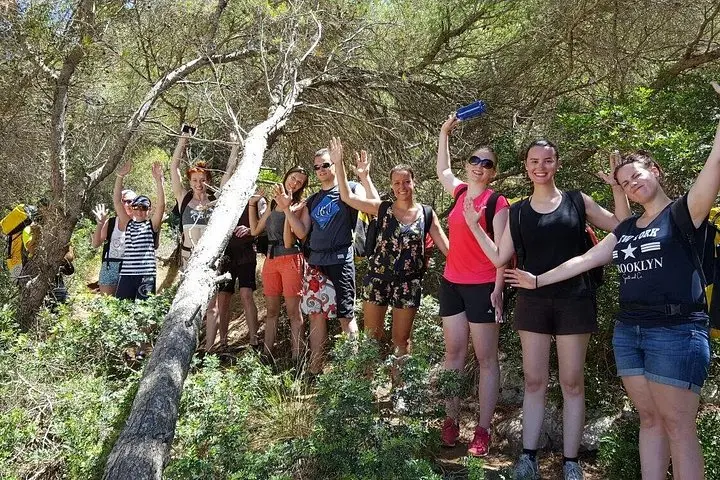
These sea caves are carved in karstic limestone, shaped over millennia by tides and freshwater seepage. Locals once used coastal caverns for fishing storage and occasional shelter; today guides interpret the geology and the rhythms of the sea that still control access. The tour threads together swimming, short hikes over cobbles, and low crawls — a hybrid of snorkeling and spelunking best suited to active visitors.
Practicalities matter: this is a 6‑hour small‑group outing that includes wetsuit and safety gear; expect repeated water entries, slippery rock, and tight passages. Bring a minimum of 2 liters of water, sunscreen, a packed lunch, and a towel. Mornings often offer calmer seas and clearer light for photography; guides will change the route if conditions make the main cave unsafe. The experience rewards steady swimmers who like hands‑on exploration more than polished visitor centers — you leave with gritty shoes, damp hair, and a clear sense of how the island’s coastline keeps shaping itself.
Yes — a confident swimmer is required since the route includes repeated short swims from shore into cave mouths; flotation and safety gear are provided.
Minimum age is typically 12; participants should have at least a moderate fitness level and no serious cardiovascular or spinal conditions.
Guides generally supply wetsuits and some water shoes or booties, but you may bring your own for comfort and fit.
Operators will switch to an alternative, safer cave or cancel the tour and offer a refund if sea conditions are dangerous; confirm cancellation policy when booking.
Experience Mallorca S.L operates guided outdoor trips and adventures with an emphasis on safety, stewardship, and memorable experiences.
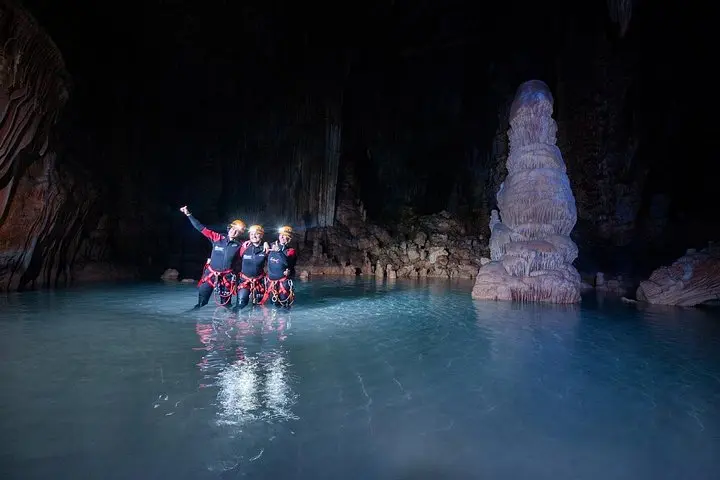
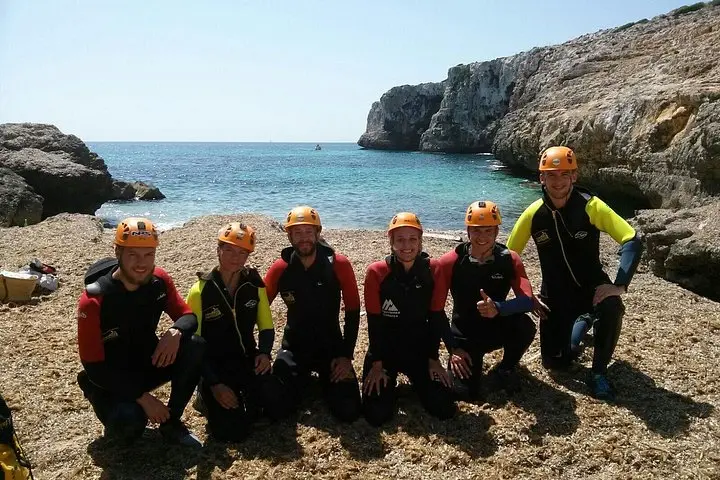
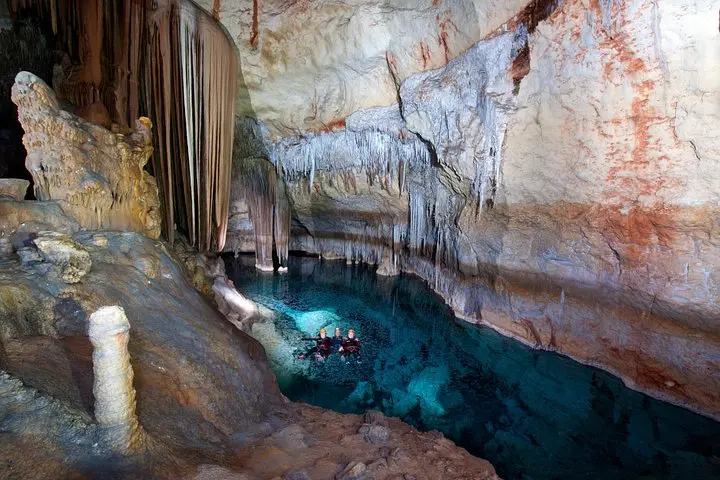
The Mediterranean light off Mallorca’s east coast slants across low cliffs as you step from sand into salty foam and into a wetsuit that suddenly feels like a second skin. A guide signals the group and you swim toward a dark mouth cut into limestone; the sea nudges you forward, the cave breathes back cool, mineral air. Inside, the passage narrows to crawling height, then opens into caverns rimmed with stalagmites and slow, glossy pools that catch reflected light like coins.
The Mediterranean light off Mallorca’s east coast slants across low cliffs as you step from sand into salty foam and into a wetsuit that suddenly feels like a second skin. A guide signals the group and you swim toward a dark mouth cut into limestone; the sea nudges you forward, the cave breathes back cool, mineral air. Inside, the passage narrows to crawling height, then opens into caverns rimmed with stalagmites and slow, glossy pools that catch reflected light like coins.
These sea caves are carved in karstic limestone, shaped over millennia by tides and freshwater seepage. Locals once used coastal caverns for fishing storage and occasional shelter; today guides interpret the geology and the rhythms of the sea that still control access. The tour threads together swimming, short hikes over cobbles, and low crawls — a hybrid of snorkeling and spelunking best suited to active visitors.
Practicalities matter: this is a 6‑hour small‑group outing that includes wetsuit and safety gear; expect repeated water entries, slippery rock, and tight passages. Bring a minimum of 2 liters of water, sunscreen, a packed lunch, and a towel. Mornings often offer calmer seas and clearer light for photography; guides will change the route if conditions make the main cave unsafe. The experience rewards steady swimmers who like hands‑on exploration more than polished visitor centers — you leave with gritty shoes, damp hair, and a clear sense of how the island’s coastline keeps shaping itself.