THE ADVENTURE COLLECTIVE® · Independent discovery and booking for outdoor travel

Float over sculpted coral heads and a sandbank carpeted with starfish on a half-day boat trip that visits Colombia, Palancar and El Cielo. This family-friendly snorkel tour combines clear water, abundant marine life, and a fresh ceviche lunch.
Float over sculpted coral heads and a sandbank carpeted with starfish on a half-day boat trip that visits Colombia, Palancar and El Cielo. This family-friendly snorkel tour combines clear water, abundant marine life, and a fresh ceviche lunch.
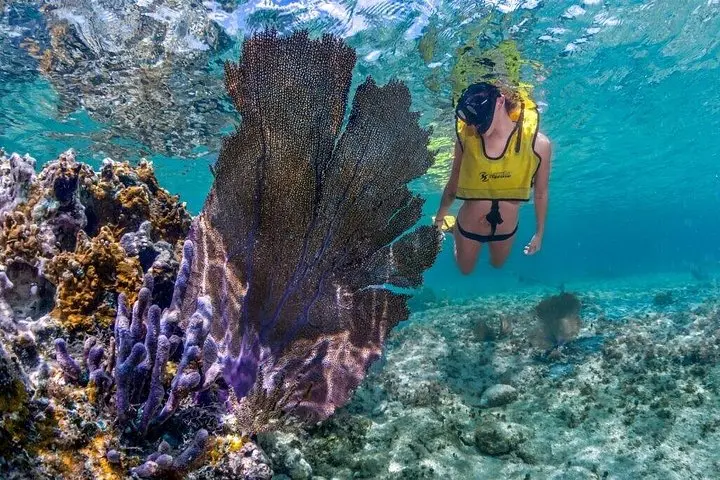
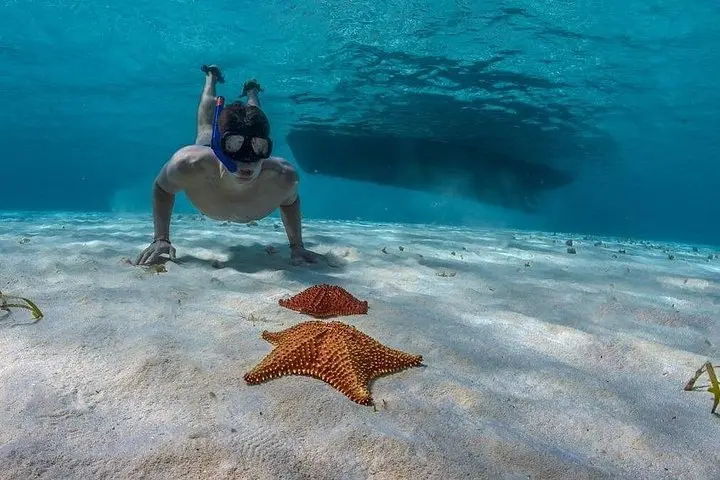
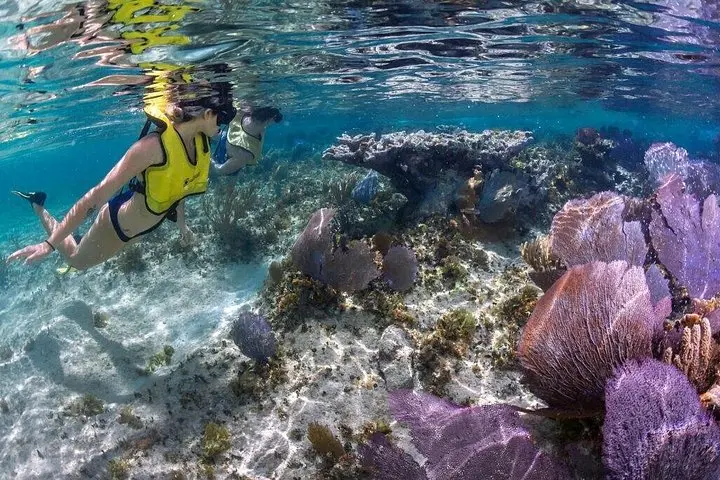
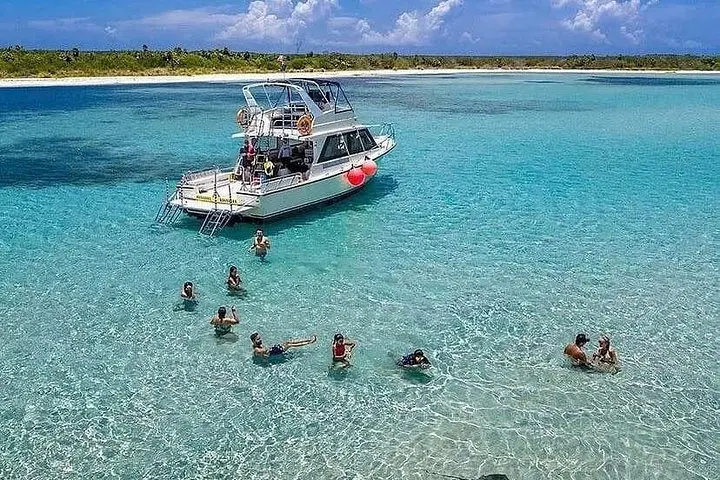
The boat eases away from the ferry pier and the shoreline of San Miguel slides into a ribbon of coral and foam. Wind combs salt over the deck; guides clip on masks and check fins while the island’s fringing reef pulls into view like an ancient wall rising from blue. Over the next four and a half hours the tour threads three of Cozumel’s signature reef sites—Colombia and Palancar, rich with cavernous coral heads and schools of parrotfish, and El Cielo, a shallow sandbank where the water turns the color of polished turquoise and starfish sprawl like scattered coins.
Verified experiences and guided adventures in the surrounding area.
Operated by Mexico Travel Solutions · San Miguel de Cozumel, Quintana Roo
The boat eases away from the ferry pier and the shoreline of San Miguel slides into a ribbon of coral and foam. Wind combs salt over the deck; guides clip on masks and check fins while the island’s fringing reef pulls into view like an ancient wall rising from blue. Over the next four and a half hours the tour threads three of Cozumel’s signature reef sites—Colombia and Palancar, rich with cavernous coral heads and schools of parrotfish, and El Cielo, a shallow sandbank where the water turns the color of polished turquoise and starfish sprawl like scattered coins.
Cozumel’s reefs formed as part of the Mesoamerican Barrier Reef System, the second-largest coral barrier in the world, built over millennia by branching elkhorn and massive brain coral. The island’s location off the Yucatán Shelf funnels clear Caribbean water into dense, nutrient-poor channels—a system that favors vibrant coral growth and high visibility. Historically a waypoint for Maya traders and, later, a magnet for diving pioneers, the reefs have cultural ties to local fishing communities and the island’s tourism economy.
On the water the experience is tactile: the reef seems to watch you back, the current nudging you along while grouper and angelfish thread the stony gardens. Colombia and Palancar are deeper, sculpted by currents into swim-throughs and towering coral boulders; El Cielo is all shallow sand and sun, where children and adults float over knee-deep water and count starfish on the bottom.
Practicalities are straightforward. The tour departs from the central dock in San Miguel—easy to reach on foot if you arrive on the car ferry. Snorkeling gear is supplied, and guides give a safety briefing and route overview before each drop. A typical itinerary includes two one-hour snorkel stops and up to an hour at El Cielo for lounging and lunch—local fish ceviche, seasonal fruit and soft drinks or two beers are served on board. Participants must be comfortable in the water and children under eight are not permitted.
Timing matters: morning departures catch calmer seas and clearer water, while midday trips warm the shallow sandbank for maximum comfort. Protect the reef by using only reef-safe sunscreen applied well before boarding. If you’re prone to seasickness, take preventative measures the night before and the morning of your trip; the short hops between sites mean little time to recover.
For photographers, bring a compact waterproof camera and practice neutral buoyancy—floating still will yield the best shots of coral faces and passing rays. Whether you’re a confident snorkeler or a curious first-timer, the three-reef route delivers a concentrated portrait of Cozumel’s underwater life and a practical, family-friendly way to experience one of the Caribbean’s best reef systems.
No—snorkel equipment is provided, but many travelers prefer to bring a personal mask for comfort and fit.
The tour meets at a central point near the boardwalk and ferry dock; participants arriving by cruise ship should plan a short walk or taxi to the meeting location.
Children under 8 are not permitted; older children must be able to swim and will be assessed by guides.
The trip includes fish ceviche, two seasonal fruits, bottled water, soft drinks and two beers per person served on board during the stop at El Cielo.
Participants must be able to swim; nervous snorkelers can use flotation vests and stay in shallow areas under guide supervision, but full swimming ability is required.
Cancel at least 24 hours before departure for a full refund; within 24 hours there is no refund according to the operator’s policy.
Mexico Travel Solutions operates guided outdoor trips and adventures with an emphasis on safety, stewardship, and memorable experiences.
The boat eases away from the ferry pier and the shoreline of San Miguel slides into a ribbon of coral and foam. Wind combs salt over the deck; guides clip on masks and check fins while the island’s fringing reef pulls into view like an ancient wall rising from blue. Over the next four and a half hours the tour threads three of Cozumel’s signature reef sites—Colombia and Palancar, rich with cavernous coral heads and schools of parrotfish, and El Cielo, a shallow sandbank where the water turns the color of polished turquoise and starfish sprawl like scattered coins.
The boat eases away from the ferry pier and the shoreline of San Miguel slides into a ribbon of coral and foam. Wind combs salt over the deck; guides clip on masks and check fins while the island’s fringing reef pulls into view like an ancient wall rising from blue. Over the next four and a half hours the tour threads three of Cozumel’s signature reef sites—Colombia and Palancar, rich with cavernous coral heads and schools of parrotfish, and El Cielo, a shallow sandbank where the water turns the color of polished turquoise and starfish sprawl like scattered coins.
Cozumel’s reefs formed as part of the Mesoamerican Barrier Reef System, the second-largest coral barrier in the world, built over millennia by branching elkhorn and massive brain coral. The island’s location off the Yucatán Shelf funnels clear Caribbean water into dense, nutrient-poor channels—a system that favors vibrant coral growth and high visibility. Historically a waypoint for Maya traders and, later, a magnet for diving pioneers, the reefs have cultural ties to local fishing communities and the island’s tourism economy.
On the water the experience is tactile: the reef seems to watch you back, the current nudging you along while grouper and angelfish thread the stony gardens. Colombia and Palancar are deeper, sculpted by currents into swim-throughs and towering coral boulders; El Cielo is all shallow sand and sun, where children and adults float over knee-deep water and count starfish on the bottom.
Practicalities are straightforward. The tour departs from the central dock in San Miguel—easy to reach on foot if you arrive on the car ferry. Snorkeling gear is supplied, and guides give a safety briefing and route overview before each drop. A typical itinerary includes two one-hour snorkel stops and up to an hour at El Cielo for lounging and lunch—local fish ceviche, seasonal fruit and soft drinks or two beers are served on board. Participants must be comfortable in the water and children under eight are not permitted.
Timing matters: morning departures catch calmer seas and clearer water, while midday trips warm the shallow sandbank for maximum comfort. Protect the reef by using only reef-safe sunscreen applied well before boarding. If you’re prone to seasickness, take preventative measures the night before and the morning of your trip; the short hops between sites mean little time to recover.
For photographers, bring a compact waterproof camera and practice neutral buoyancy—floating still will yield the best shots of coral faces and passing rays. Whether you’re a confident snorkeler or a curious first-timer, the three-reef route delivers a concentrated portrait of Cozumel’s underwater life and a practical, family-friendly way to experience one of the Caribbean’s best reef systems.