THE ADVENTURE COLLECTIVE® · Independent discovery and booking for outdoor travel

Join a hands-on evening with Carmen to learn Crucian crab cooking, local slang and music in Christiansted. This intimate 2–3 hour class mixes food history with practical lessons on prepping and seasoning crabs.
Join a hands-on evening with Carmen to learn Crucian crab cooking, local slang and music in Christiansted. This intimate 2–3 hour class mixes food history with practical lessons on prepping and seasoning crabs.
You arrive as the sun slackens over Christiansted, the harbor turning pewter while music from a nearby radio threads through the salt air. Carmen greets you like a neighbor: a stool, a pot, a basket of live crabs and the smell of scallions sizzling in coconut oil. The evening moves at island time—stories, a short Crucian dialect primer, and hands-on lessons in cleaning, seasoning and simmering crab the local way.
Verified experiences and guided adventures in the surrounding area.
Operated by Hanging With The Locals St.Croix · Christiansted, U.S. Virgin Islands
You arrive as the sun slackens over Christiansted, the harbor turning pewter while music from a nearby radio threads through the salt air. Carmen greets you like a neighbor: a stool, a pot, a basket of live crabs and the smell of scallions sizzling in coconut oil. The evening moves at island time—stories, a short Crucian dialect primer, and hands-on lessons in cleaning, seasoning and simmering crab the local way.
St. Croix’s cuisine carries layers of history: African techniques, Caribbean ingredients, and traces of Danish colonial trade that introduced cassava and new baking styles. Geologically the island is volcanic and limestone—its soils yield the coconut, cassava and gooseberries that finish the plate. Cultural rhythms matter here; food is how people share memory and place.
Expect a small-group, communal setup where you’ll learn to break down crab, taste local marinades, and sample crab-and-rice alongside simple tarts for dessert. The experience includes two drinks and live music; kids under 12 typically require prior approval and shellfish allergies make this unsuitable. Practicals: wear closed-toe shoes and clothes you don’t mind splashing, bring cash for tips or extra drinks, and plan to stand and move for about 2–3 hours. Arrive hungry and curious—this is equal parts cooking lesson and cultural exchange, with a lively pace and hands-on payoff: leave with a fuller belly, a few Crucian phrases, and a clearer sense of St. Croix’s living food traditions.
Children under 12 are generally not permitted unless prior approval is granted—check with the host before booking.
The class centers on crab and shellfish; vegetarians or those with other restrictions should contact the operator in advance to discuss options.
English is used, with an introduction to Crucian dialect and local phrases woven into the lesson.
This experience is not recommended for people with shellfish allergies due to cross-contamination and the focus of the menu.
Hanging With The Locals St.Croix operates guided outdoor trips and adventures with an emphasis on safety, stewardship, and memorable experiences.
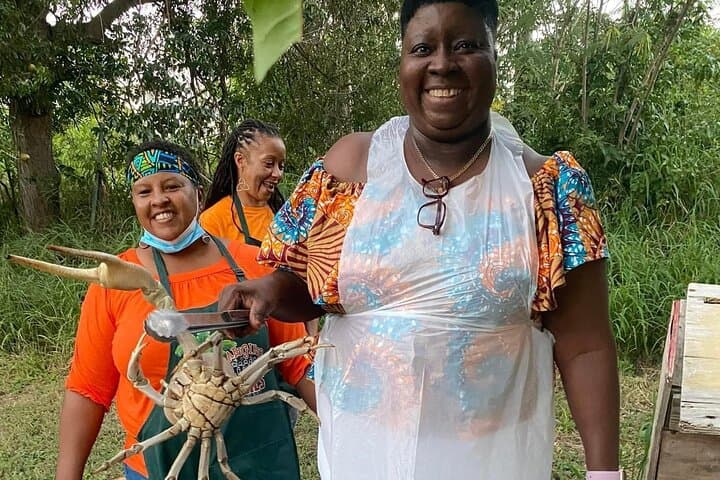


You arrive as the sun slackens over Christiansted, the harbor turning pewter while music from a nearby radio threads through the salt air. Carmen greets you like a neighbor: a stool, a pot, a basket of live crabs and the smell of scallions sizzling in coconut oil. The evening moves at island time—stories, a short Crucian dialect primer, and hands-on lessons in cleaning, seasoning and simmering crab the local way.
You arrive as the sun slackens over Christiansted, the harbor turning pewter while music from a nearby radio threads through the salt air. Carmen greets you like a neighbor: a stool, a pot, a basket of live crabs and the smell of scallions sizzling in coconut oil. The evening moves at island time—stories, a short Crucian dialect primer, and hands-on lessons in cleaning, seasoning and simmering crab the local way.
St. Croix’s cuisine carries layers of history: African techniques, Caribbean ingredients, and traces of Danish colonial trade that introduced cassava and new baking styles. Geologically the island is volcanic and limestone—its soils yield the coconut, cassava and gooseberries that finish the plate. Cultural rhythms matter here; food is how people share memory and place.
Expect a small-group, communal setup where you’ll learn to break down crab, taste local marinades, and sample crab-and-rice alongside simple tarts for dessert. The experience includes two drinks and live music; kids under 12 typically require prior approval and shellfish allergies make this unsuitable. Practicals: wear closed-toe shoes and clothes you don’t mind splashing, bring cash for tips or extra drinks, and plan to stand and move for about 2–3 hours. Arrive hungry and curious—this is equal parts cooking lesson and cultural exchange, with a lively pace and hands-on payoff: leave with a fuller belly, a few Crucian phrases, and a clearer sense of St. Croix’s living food traditions.