THE ADVENTURE COLLECTIVE® · Independent discovery and booking for outdoor travel

Visit the World Heritage–listed Cradle of Humankind and Maropeng on a day tour from Johannesburg to see the Sterkfontein Caves and key hominid fossils like Mrs Ples and Little Foot. This guided trip mixes underground cave visits with a compact scientific exhibition—plan for a full day and moderate walking.
Visit the World Heritage–listed Cradle of Humankind and Maropeng on a day tour from Johannesburg to see the Sterkfontein Caves and key hominid fossils like Mrs Ples and Little Foot. This guided trip mixes underground cave visits with a compact scientific exhibition—plan for a full day and moderate walking.
You step out of an air-conditioned minivan into a wind that carries the dry, mineral scent of exposed rock and winter grass. The visitor centre at Maropeng sits low on the veld; beyond it the ground rolls toward limestone outcrops where hominid bones lay hidden for millennia. Guides move with practiced calm—this is a place that asks for measured footsteps and curious eyes.
Verified experiences and guided adventures in the surrounding area.
Operated by Mount Zion Tours and Travels (PTY) Ltd · Maropeng, Gauteng
You step out of an air-conditioned minivan into a wind that carries the dry, mineral scent of exposed rock and winter grass. The visitor centre at Maropeng sits low on the veld; beyond it the ground rolls toward limestone outcrops where hominid bones lay hidden for millennia. Guides move with practiced calm—this is a place that asks for measured footsteps and curious eyes.
The Cradle of Humankind was declared a UNESCO World Heritage Site in 1999 after decades of discoveries at Sterkfontein and other nearby dolomite caves. Geology here is driven by ancient karst processes: acidic water dissolved limestone to create chambers that trapped bones and preserved them in stratified breccia. Cultural layers overlap paleontology—local communities, miners, and scientists all shaped the modern story of discovery.
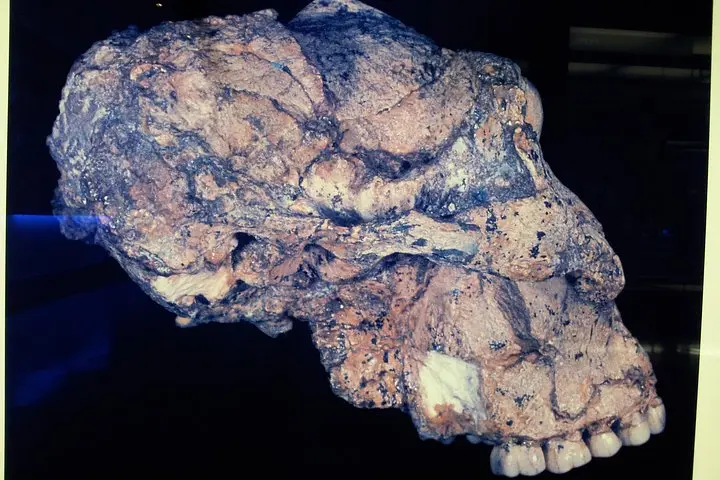
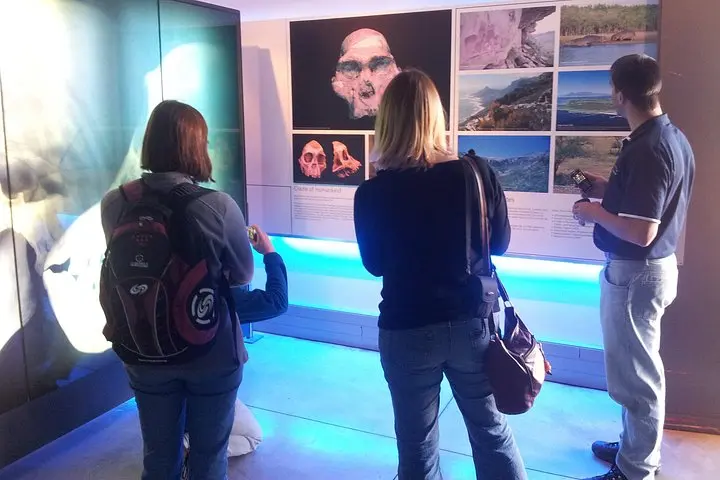
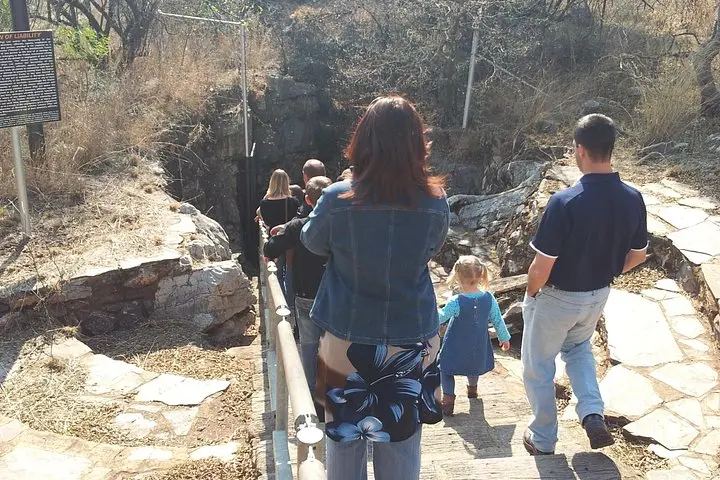
On the underground tour you follow paved passages into mined cave sections that illustrate fossil contexts and excavation methods; the museum shows casts of Mrs Ples, Little Foot and other key finds while explaining fossilization and palaeobotany.
Practical guidance: allow a full day (around 6–7 hours including transfer), wear sturdy closed shoes for uneven paths, and bring sun protection for the open walkways between attractions. The site is wheelchair-accessible in parts but some cave sections include steps and narrow passages; follow guides and avoid touching displays. Hydrate before entering the underground areas where temperature and humidity feel different, and budget time for the exhibition and a short walk near the limestone outcrops if you want wider views of the craggy landscape.
The drive is approximately 2–2.5 hours each way depending on traffic; the tour schedule accounts for transport, a guided visit, and time at the exhibition.
Yes—guided underground visits are included on this tour, but some cave areas have stairs and tighter passages; follow the site guide for safety.
Children are welcome but must be supervised; parts of the visitor centre are wheelchair-accessible, though some cave sections involve steps and limited access.
The exhibition includes casts and interpretive displays; some areas showcase original fossils under conservation conditions, explained by museum signage and guides.
Mount Zion Tours and Travels (PTY) Ltd operates guided outdoor trips and adventures with an emphasis on safety, stewardship, and memorable experiences.
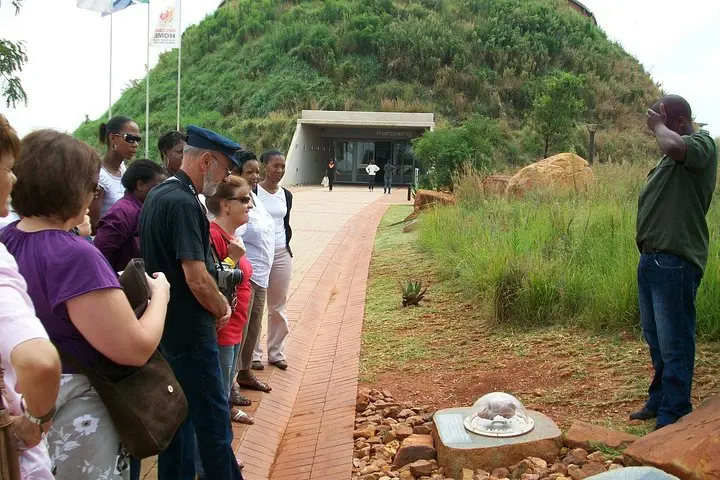
You step out of an air-conditioned minivan into a wind that carries the dry, mineral scent of exposed rock and winter grass. The visitor centre at Maropeng sits low on the veld; beyond it the ground rolls toward limestone outcrops where hominid bones lay hidden for millennia. Guides move with practiced calm—this is a place that asks for measured footsteps and curious eyes.
You step out of an air-conditioned minivan into a wind that carries the dry, mineral scent of exposed rock and winter grass. The visitor centre at Maropeng sits low on the veld; beyond it the ground rolls toward limestone outcrops where hominid bones lay hidden for millennia. Guides move with practiced calm—this is a place that asks for measured footsteps and curious eyes.
The Cradle of Humankind was declared a UNESCO World Heritage Site in 1999 after decades of discoveries at Sterkfontein and other nearby dolomite caves. Geology here is driven by ancient karst processes: acidic water dissolved limestone to create chambers that trapped bones and preserved them in stratified breccia. Cultural layers overlap paleontology—local communities, miners, and scientists all shaped the modern story of discovery.
On the underground tour you follow paved passages into mined cave sections that illustrate fossil contexts and excavation methods; the museum shows casts of Mrs Ples, Little Foot and other key finds while explaining fossilization and palaeobotany.
Practical guidance: allow a full day (around 6–7 hours including transfer), wear sturdy closed shoes for uneven paths, and bring sun protection for the open walkways between attractions. The site is wheelchair-accessible in parts but some cave sections include steps and narrow passages; follow guides and avoid touching displays. Hydrate before entering the underground areas where temperature and humidity feel different, and budget time for the exhibition and a short walk near the limestone outcrops if you want wider views of the craggy landscape.