THE ADVENTURE COLLECTIVE® · Independent discovery and booking for outdoor travel

Explore the Cradle of Humankind on a five‑hour day tour that pairs Sterkfontein’s fossil‑rich caves with Maropeng’s interactive exhibits. Learn where Mrs. Ples was found, walk limestone passages, and see the deep geology that shaped early hominid habitats.
Explore the Cradle of Humankind on a five‑hour day tour that pairs Sterkfontein’s fossil‑rich caves with Maropeng’s interactive exhibits. Learn where Mrs. Ples was found, walk limestone passages, and see the deep geology that shaped early hominid habitats.
You step out of the air‑conditioned van and the ground feels ancient beneath your boots — dolomite outcrops folding into sinkholes, grasslands opening to a low rim where wind sketches the limestone. Sterkfontein’s cave mouth waits like a gap in time; inside, cool passages and narrow galleries hold the shapes of long-buried bones and the echo of discovery.
Verified experiences and guided adventures in the surrounding area.
Operated by Hominids Tours & Travel · Krugersdorp, Gauteng
You step out of the air‑conditioned van and the ground feels ancient beneath your boots — dolomite outcrops folding into sinkholes, grasslands opening to a low rim where wind sketches the limestone. Sterkfontein’s cave mouth waits like a gap in time; inside, cool passages and narrow galleries hold the shapes of long-buried bones and the echo of discovery.
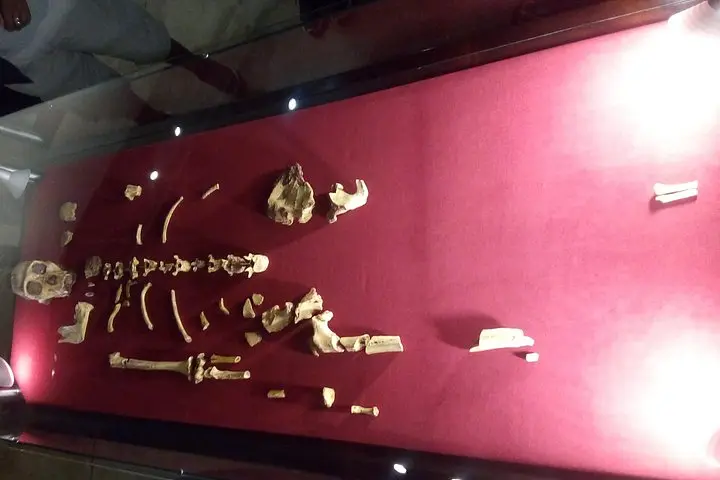
This one‑day route threads recent science through deep geology: fossil-bearing breccia deposited in collapsed caverns, the Australopithecus africanus specimen “Mrs. Ples” discovered here in 1949, and Maropeng’s clear, modern displays that translate millions of years into hands‑on exhibits. The Cradle of Humankind sits in Gauteng’s dolomitic belt — sinkholes, fossil beds and cave systems formed as groundwater dissolved bedrock over geological time.
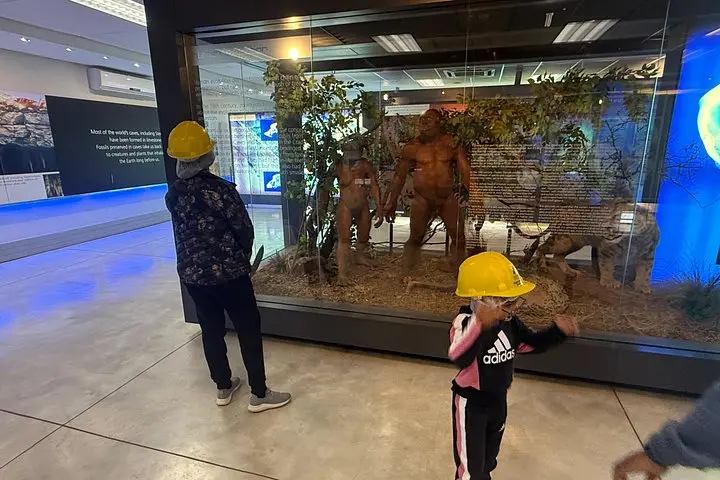
Culturally, Maropeng (Setswana for “returning to the place of origin”) frames the global story of human evolution with local context: replicas and real fossils, interpretive films and a tumulus exhibit that reconstructs early hominid life.
Practically, expect about a five‑hour guided visit with short walks, stairs and interpretive stops. Wear sturdy shoes for uneven cave surfaces, bring a refillable water bottle (water provided on the tour), and layer for a 10–15°C drop inside caves. Photography is generally allowed in the visitor centre; flash may be restricted in some galleries. The route is family‑friendly but not recommended for pregnant travelers or those with serious back or heart conditions. Aim for morning departures to avoid crowds and heavier heat on the surface, and give yourself time to explore the museum exhibits after the guided cave portion.
Yes — this guided day tour includes admission to Sterkfontein Caves and Maropeng Visitor Centre as part of the itinerary.
The visitor centre and many surfaces are stroller and wheelchair accessible, but the cave sections include stairs and narrow passages that may not be suitable for infants or strollers.
Photography is typically permitted in the visitor centre; specific cave galleries may restrict flash or tripods to protect exhibits and ensure safety—follow your guide’s instructions.
The tour notes it’s not recommended for pregnant travelers or those with serious back or heart conditions; participants should have moderate fitness and be able to manage stairs.
Hominids Tours & Travel operates guided outdoor trips and adventures with an emphasis on safety, stewardship, and memorable experiences.
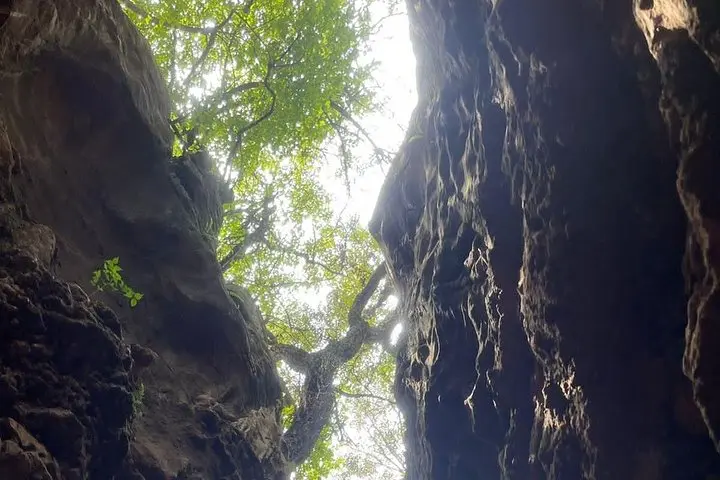
You step out of the air‑conditioned van and the ground feels ancient beneath your boots — dolomite outcrops folding into sinkholes, grasslands opening to a low rim where wind sketches the limestone. Sterkfontein’s cave mouth waits like a gap in time; inside, cool passages and narrow galleries hold the shapes of long-buried bones and the echo of discovery.
You step out of the air‑conditioned van and the ground feels ancient beneath your boots — dolomite outcrops folding into sinkholes, grasslands opening to a low rim where wind sketches the limestone. Sterkfontein’s cave mouth waits like a gap in time; inside, cool passages and narrow galleries hold the shapes of long-buried bones and the echo of discovery.
This one‑day route threads recent science through deep geology: fossil-bearing breccia deposited in collapsed caverns, the Australopithecus africanus specimen “Mrs. Ples” discovered here in 1949, and Maropeng’s clear, modern displays that translate millions of years into hands‑on exhibits. The Cradle of Humankind sits in Gauteng’s dolomitic belt — sinkholes, fossil beds and cave systems formed as groundwater dissolved bedrock over geological time.
Culturally, Maropeng (Setswana for “returning to the place of origin”) frames the global story of human evolution with local context: replicas and real fossils, interpretive films and a tumulus exhibit that reconstructs early hominid life.
Practically, expect about a five‑hour guided visit with short walks, stairs and interpretive stops. Wear sturdy shoes for uneven cave surfaces, bring a refillable water bottle (water provided on the tour), and layer for a 10–15°C drop inside caves. Photography is generally allowed in the visitor centre; flash may be restricted in some galleries. The route is family‑friendly but not recommended for pregnant travelers or those with serious back or heart conditions. Aim for morning departures to avoid crowds and heavier heat on the surface, and give yourself time to explore the museum exhibits after the guided cave portion.