THE ADVENTURE COLLECTIVE® · Independent discovery and booking for outdoor travel

An 18-day circuit through Kenya’s top parks — from Tsavo West and Amboseli to Lake Nakuru, Samburu, Ol-Pejeta and the Maasai Mara — offering Big Five sightings, flamingo spectacles and the great wildebeest migration. Read on for what to expect, when to go and how to prepare.
An 18-day circuit through Kenya’s top parks — from Tsavo West and Amboseli to Lake Nakuru, Samburu, Ol-Pejeta and the Maasai Mara — offering Big Five sightings, flamingo spectacles and the great wildebeest migration. Read on for what to expect, when to go and how to prepare.
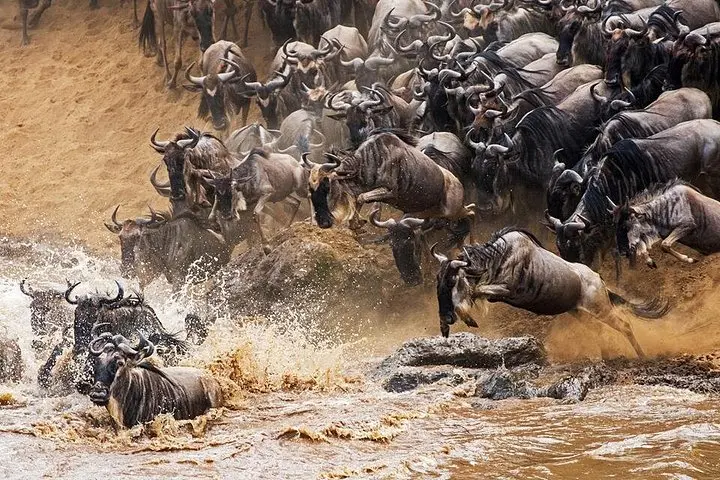
The Land Rover crunches along a red-dust track as dawn slides over acacia silhouettes; in the distance a herd of elephants moves like a slow, deliberate tide and a lone crowned crane punctuates the sky. This is the opening act of an 18-day sweep through Kenya’s most storied parks — from Tsavo West’s wide plains to the reed-edged shores of Lake Nakuru and the river crossings of the Maasai Mara.
Verified experiences and guided adventures in the surrounding area.
Operated by Pathway Safaris · Nairobi, Nairobi County
The Land Rover crunches along a red-dust track as dawn slides over acacia silhouettes; in the distance a herd of elephants moves like a slow, deliberate tide and a lone crowned crane punctuates the sky. This is the opening act of an 18-day sweep through Kenya’s most storied parks — from Tsavo West’s wide plains to the reed-edged shores of Lake Nakuru and the river crossings of the Maasai Mara.
Geology here is muscular: volcanic highlands ring alkaline lakes, and the rift valley has carved basins that collect water and life. Maasai and Samburu cultures remain visible — pastoralists who still mark seasons by livestock and migration. Historical threads include colonial-era conservation turning into modern conservancies like Ol Pejeta, where rhino protection is front and center.
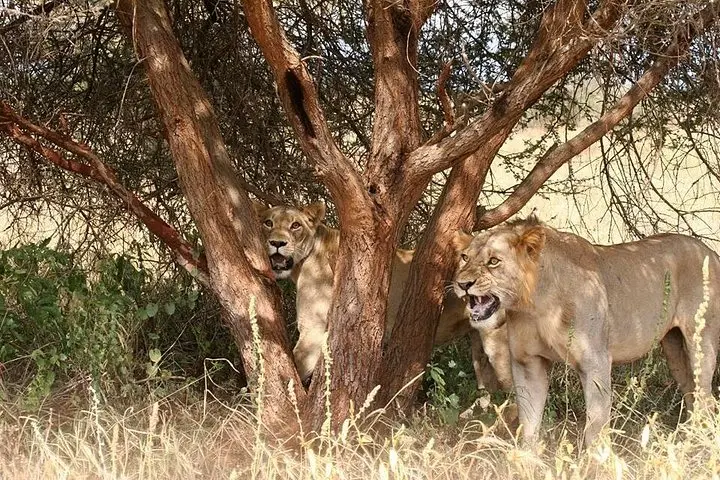
Expect classic safari rhythms: early-morning game drives when predators and prey meet at water, long transit days between parks, and evenings at lodges or tented camps listening to the distant call of hyena. Lake Nakuru offers unbelievable flocks of flamingo; Amboseli frames Kilimanjaro on clear mornings; Samburu hosts species found only in northern Kenya. Guides read spoor and weather with practiced eyes; wildlife often appears suddenly, then moves on.
Practicalities: pack neutral clothing, binoculars and a telephoto lens, and prepare for dusty roads and heat by day, cooler nights at higher elevation. Vaccinations and malaria precautions are recommended. This trip demands moderate fitness for long drives and short walks, but rewards patience with some of East Africa’s most iconic wildlife encounters.
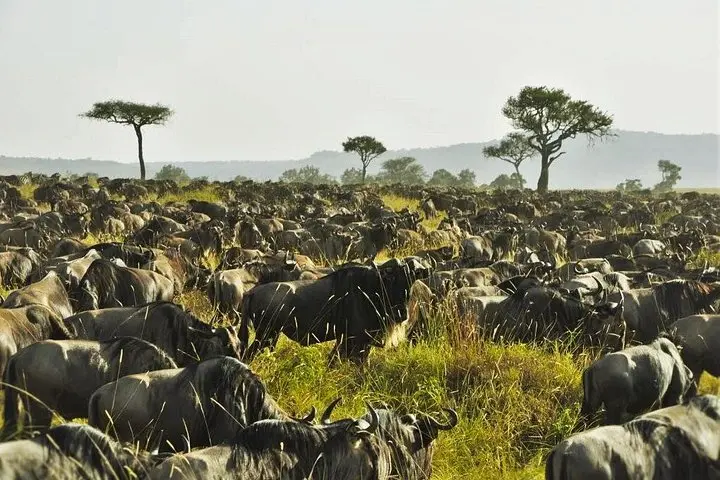
The migration typically passes into Maasai Mara between July and October; exact timing varies year to year depending on rains.
Yellow fever proof may be required if arriving from an infected country; routine vaccinations and malaria prophylaxis are recommended—confirm with a travel clinic.
Bring one reliable camera body and a telephoto; too much gear is cumbersome in safari vehicles and increases theft risk.
Itineraries combine lodges and tented camps rated around 3–4 star quality, with meals and selected transfers included as listed.
Pathway Safaris operates guided outdoor trips and adventures with an emphasis on safety, stewardship, and memorable experiences.
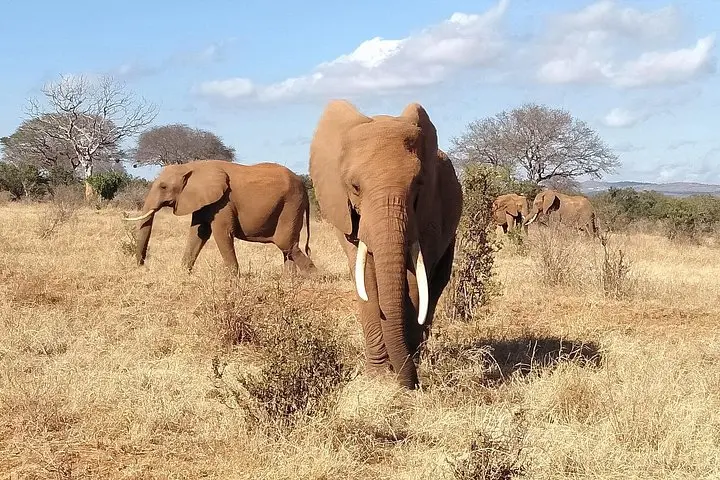
The Land Rover crunches along a red-dust track as dawn slides over acacia silhouettes; in the distance a herd of elephants moves like a slow, deliberate tide and a lone crowned crane punctuates the sky. This is the opening act of an 18-day sweep through Kenya’s most storied parks — from Tsavo West’s wide plains to the reed-edged shores of Lake Nakuru and the river crossings of the Maasai Mara.
The Land Rover crunches along a red-dust track as dawn slides over acacia silhouettes; in the distance a herd of elephants moves like a slow, deliberate tide and a lone crowned crane punctuates the sky. This is the opening act of an 18-day sweep through Kenya’s most storied parks — from Tsavo West’s wide plains to the reed-edged shores of Lake Nakuru and the river crossings of the Maasai Mara.
Geology here is muscular: volcanic highlands ring alkaline lakes, and the rift valley has carved basins that collect water and life. Maasai and Samburu cultures remain visible — pastoralists who still mark seasons by livestock and migration. Historical threads include colonial-era conservation turning into modern conservancies like Ol Pejeta, where rhino protection is front and center.
Expect classic safari rhythms: early-morning game drives when predators and prey meet at water, long transit days between parks, and evenings at lodges or tented camps listening to the distant call of hyena. Lake Nakuru offers unbelievable flocks of flamingo; Amboseli frames Kilimanjaro on clear mornings; Samburu hosts species found only in northern Kenya. Guides read spoor and weather with practiced eyes; wildlife often appears suddenly, then moves on.
Practicalities: pack neutral clothing, binoculars and a telephoto lens, and prepare for dusty roads and heat by day, cooler nights at higher elevation. Vaccinations and malaria precautions are recommended. This trip demands moderate fitness for long drives and short walks, but rewards patience with some of East Africa’s most iconic wildlife encounters.