THE ADVENTURE COLLECTIVE® · Independent discovery and booking for outdoor travel

Spend a day learning Shibori, batik, block printing or natural dye techniques at Creative Bee Dye Farm, a sustainable textile workshop about 30 km from Hyderabad. Hands-on projects, farm-cooked vegetarian lunch and an evening shop make this a practical and immersive cultural day trip.
Spend a day learning Shibori, batik, block printing or natural dye techniques at Creative Bee Dye Farm, a sustainable textile workshop about 30 km from Hyderabad. Hands-on projects, farm-cooked vegetarian lunch and an evening shop make this a practical and immersive cultural day trip.
Morning light lifts across a small farm outside Hyderabad and the scent of lemongrass tea draws visitors down a hard-packed path toward low-slung drying racks and wooden vats. At Creative Bee, dye baths steam gently while artisans guide guests through hands-on techniques—Shibori folds, wax-resist batik, hand block printing and a demonstration of natural dyes—each method asking for patience, focus and a willingness to get color on your hands.
Verified experiences and guided adventures in the surrounding area.
Operated by Creative Bee · Hyderabad, Telangana
Morning light lifts across a small farm outside Hyderabad and the scent of lemongrass tea draws visitors down a hard-packed path toward low-slung drying racks and wooden vats. At Creative Bee, dye baths steam gently while artisans guide guests through hands-on techniques—Shibori folds, wax-resist batik, hand block printing and a demonstration of natural dyes—each method asking for patience, focus and a willingness to get color on your hands.
This region sits within the Deccan plains; locally available plant dyes (indigo, madder, turmeric) reflect centuries of South Asian textile practices that traded across peninsulas and empires. The farm’s work ties contemporary sustainable fashion to traditional livelihoods: fabrics woven and dyed without electricity, with emphasis on low-water, low-impact processes and community artisan training.
Expect a pragmatic, tactile day: demonstration, a guided project (you’ll leave with a scarf or stole you helped create), a farm-cooked organic vegetarian lunch and time in a small shop selling hand-printed goods, pickles and honey. The pace is slow and deliberate—standing, bending, and light walking around the plots.
Practical guidance: arrive in clothes you don’t mind staining, bring a sun hat and refillable water bottle, and allow 6–7 hours. Mobility-friendly surfaces are available but check booking for transport and accessibility details. Because the program is workshop-focused and private, group sizes are limited—book ahead and note dietary or accessibility needs when reserving.
The program notes stroller access and wheelchair-accessible surfaces; however, the day includes standing and hands-on activity—check with the operator about specific mobility needs.
Yes—participants complete one technique (scarf/stole) and take their finished piece home.
Natural dyes used on-site are traditional plant-based dyes; brief skin contact is common but tell staff about allergies and they will advise precautions.
The listing describes an all-sales-final policy; confirm terms at booking and ask about exceptions for weather or operator cancellation.
Creative Bee operates guided outdoor trips and adventures with an emphasis on safety, stewardship, and memorable experiences.
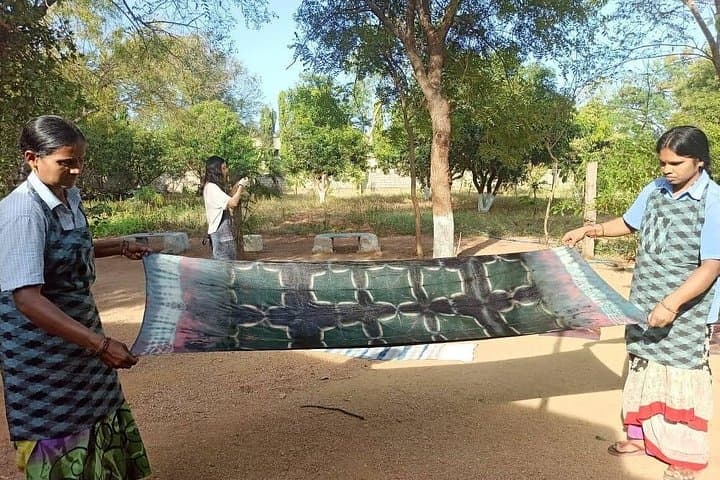
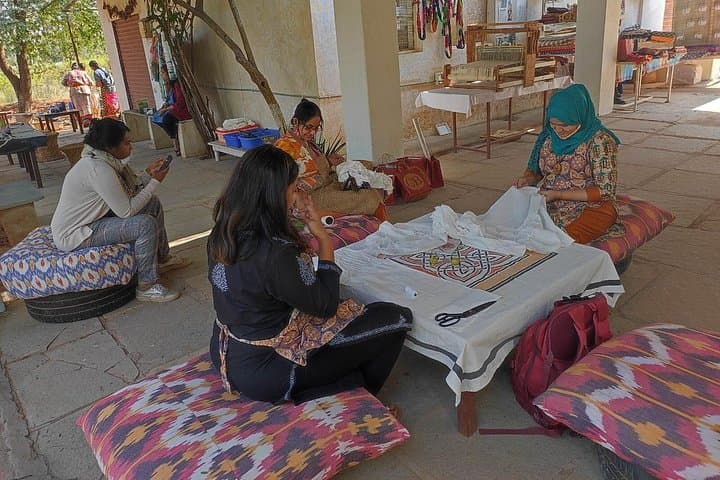
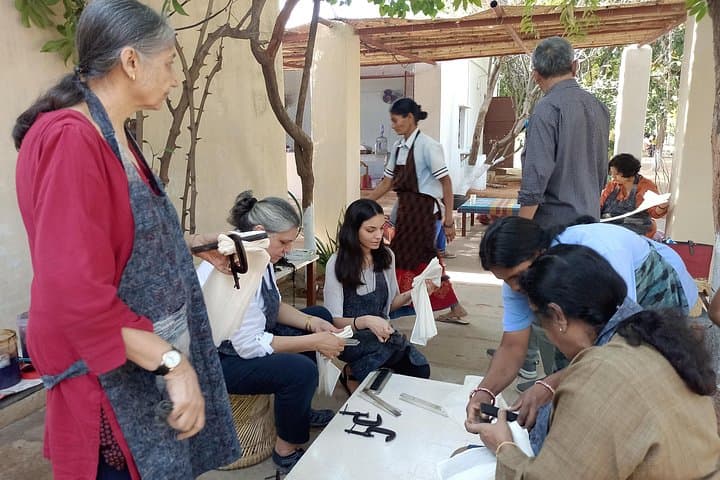
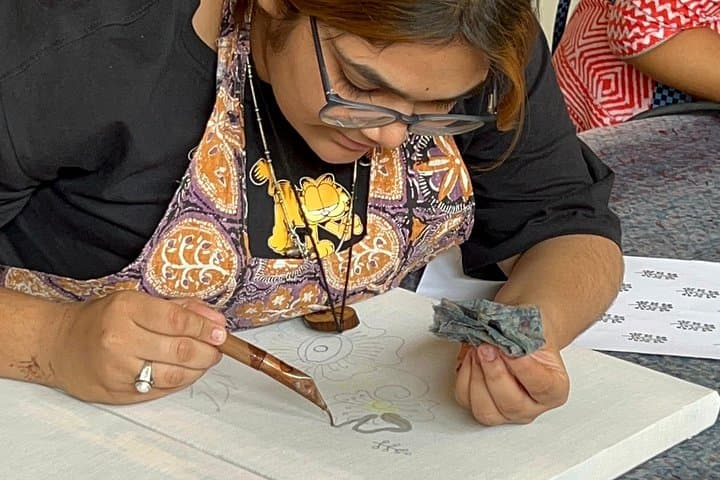
Morning light lifts across a small farm outside Hyderabad and the scent of lemongrass tea draws visitors down a hard-packed path toward low-slung drying racks and wooden vats. At Creative Bee, dye baths steam gently while artisans guide guests through hands-on techniques—Shibori folds, wax-resist batik, hand block printing and a demonstration of natural dyes—each method asking for patience, focus and a willingness to get color on your hands.
Morning light lifts across a small farm outside Hyderabad and the scent of lemongrass tea draws visitors down a hard-packed path toward low-slung drying racks and wooden vats. At Creative Bee, dye baths steam gently while artisans guide guests through hands-on techniques—Shibori folds, wax-resist batik, hand block printing and a demonstration of natural dyes—each method asking for patience, focus and a willingness to get color on your hands.
This region sits within the Deccan plains; locally available plant dyes (indigo, madder, turmeric) reflect centuries of South Asian textile practices that traded across peninsulas and empires. The farm’s work ties contemporary sustainable fashion to traditional livelihoods: fabrics woven and dyed without electricity, with emphasis on low-water, low-impact processes and community artisan training.
Expect a pragmatic, tactile day: demonstration, a guided project (you’ll leave with a scarf or stole you helped create), a farm-cooked organic vegetarian lunch and time in a small shop selling hand-printed goods, pickles and honey. The pace is slow and deliberate—standing, bending, and light walking around the plots.
Practical guidance: arrive in clothes you don’t mind staining, bring a sun hat and refillable water bottle, and allow 6–7 hours. Mobility-friendly surfaces are available but check booking for transport and accessibility details. Because the program is workshop-focused and private, group sizes are limited—book ahead and note dietary or accessibility needs when reserving.