THE ADVENTURE COLLECTIVE® · Independent discovery and booking for outdoor travel

A brisk, locally guided walk through New Orleans’ French Quarter that mixes architecture, Creole history and optional paranormal gear with pub stops along the route. Expect 60–120 minutes on uneven sidewalks, real stories and practical rules for drink and child policies.
A brisk, locally guided walk through New Orleans’ French Quarter that mixes architecture, Creole history and optional paranormal gear with pub stops along the route. Expect 60–120 minutes on uneven sidewalks, real stories and practical rules for drink and child policies.
You meet under the iron gate beside Lafitte’s Blacksmith Shop as Bourbon Street hums awake—streetcars clack a block away and a steam of coffee and garlic crawls from doorways. The guide checks names, hands out a smile and an optional piece of paranormal gear, and the group slips into the French Quarter like a single-minded current.
Verified experiences and guided adventures in the surrounding area.
Operated by New Orleans Drunk History Tours • Show Me New Orleans Tours · New Orleans, Louisiana
You meet under the iron gate beside Lafitte’s Blacksmith Shop as Bourbon Street hums awake—streetcars clack a block away and a steam of coffee and garlic crawls from doorways. The guide checks names, hands out a smile and an optional piece of paranormal gear, and the group slips into the French Quarter like a single-minded current.
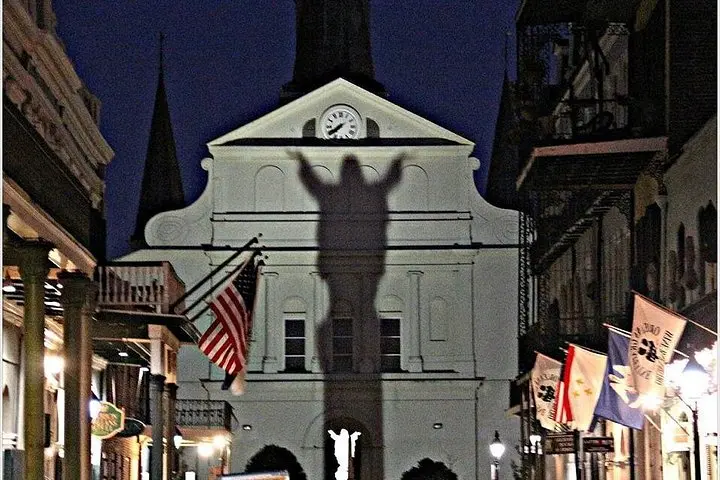
The tour threads through Jackson Square with St. Louis Cathedral looming above, its white façade catching light like a watchful eye. Guides cut between architecture and anecdote: Spanish and French colonial footprints in raised brickwork, how earthquakes and floods have scarred foundations, and why the Quarter’s narrow streets read like layers of law, commerce and rumor. Historic markers—the Cabildo, Old Ursuline Convent, New Orleans Pharmacy Museum—anchor each story to a place that still smells faintly of old plaster and simmering gumbo.
There’s a pragmatic rhythm to the walk. The guide points out alleys named after sinners and saints, explains why no private interiors are entered, and describes the rules of the drinking stops: to-go beverages allowed, some bars don’t admit minors, and the group won’t wait forever at busy doorways. Paranormal equipment is optional and real—EMF readers and thermal devices—used respectfully at sites with reputations for otherworldly disturbances. Guides are clear: you might capture a cold spot or a curious reading, but there are no guarantees.
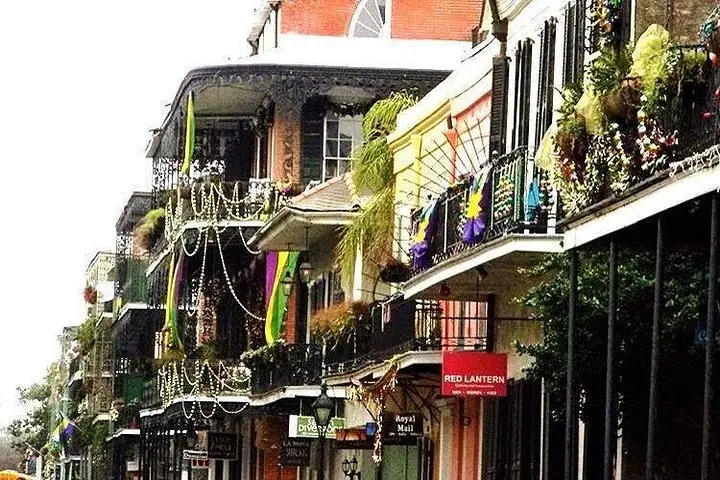
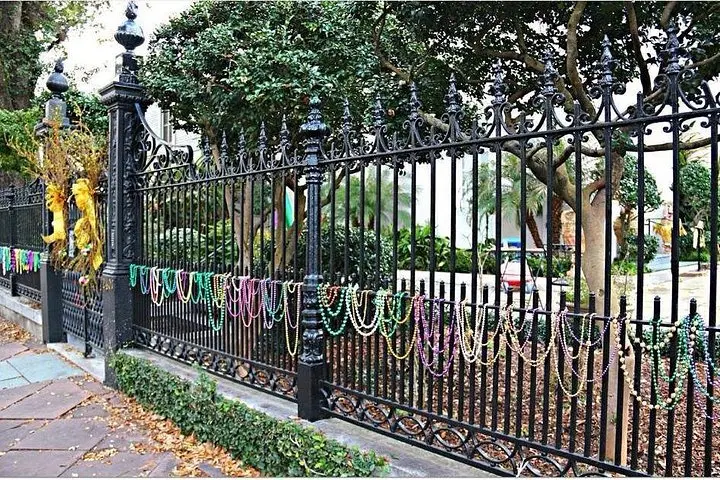
Beyond ghosts, the tour is a primer in urban geology and culture. You learn why much of New Orleans sits below sea level, how levee engineering changed the city’s relationship with the Mississippi, and how Creole cuisine and Voodoo practices threaded into everyday life. It’s a living neighborhood: wrought-iron balconies host humming plants, residents move through morning rituals, and the city’s music seems always to be carrying down the block.
Practicalities are woven into the narration. The route covers about 1–2 miles over 60–120 minutes on uneven, sometimes dilapidated sidewalks so sturdy shoes matter. The walk is wheelchair-accessible on the main stretches, but ask ahead about specific accessibility needs. Tours run rain or shine; the company maintains a strict no-refund policy and warns late arrivals—the group departs on schedule. Photography is encouraged, but video and audio recording of guide narrations are not allowed.
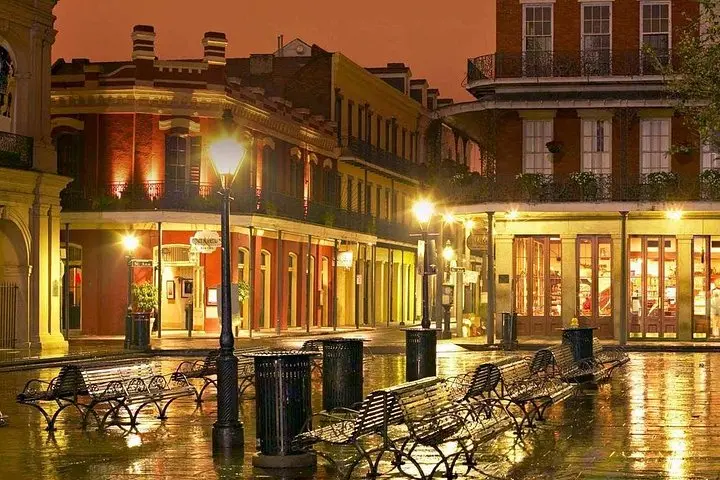
By the time the tour ends in the heart of the Quarter, you’ve collected more than facts: a sense of how New Orleans keeps its past close, with smoky bars and stately churches sharing the same block. Whether you came for history, architecture, or a chance at the unexplained, the Crescent City History Tour delivers a tightly paced, vividly local walk through one of America’s most storied neighborhoods.
No—drinks are available for purchase during stops and are not included in the ticket price.
Yes, but children must be accompanied by an adult; note that some bars on the route do not admit minors.
Main routes and meeting areas are accessible, but some streets are uneven; contact the operator ahead to discuss specific needs.
No—the tour uses real equipment and some guests have captured unexplained readings, but supernatural encounters are not guaranteed.
Meet at the gate of the courtyard outside Lafitte’s Blacksmith Shop Bar at 941 Bourbon Street; tours conclude in the heart of the French Quarter.
All sales are final; tours run rain or shine and late arrivals are not refunded. The operator may cancel for insufficient numbers or severe conditions and offer alternatives or refunds in those cases.
New Orleans Drunk History Tours • Show Me New Orleans Tours operates guided outdoor trips and adventures with an emphasis on safety, stewardship, and memorable experiences.
You meet under the iron gate beside Lafitte’s Blacksmith Shop as Bourbon Street hums awake—streetcars clack a block away and a steam of coffee and garlic crawls from doorways. The guide checks names, hands out a smile and an optional piece of paranormal gear, and the group slips into the French Quarter like a single-minded current.
You meet under the iron gate beside Lafitte’s Blacksmith Shop as Bourbon Street hums awake—streetcars clack a block away and a steam of coffee and garlic crawls from doorways. The guide checks names, hands out a smile and an optional piece of paranormal gear, and the group slips into the French Quarter like a single-minded current.
The tour threads through Jackson Square with St. Louis Cathedral looming above, its white façade catching light like a watchful eye. Guides cut between architecture and anecdote: Spanish and French colonial footprints in raised brickwork, how earthquakes and floods have scarred foundations, and why the Quarter’s narrow streets read like layers of law, commerce and rumor. Historic markers—the Cabildo, Old Ursuline Convent, New Orleans Pharmacy Museum—anchor each story to a place that still smells faintly of old plaster and simmering gumbo.
There’s a pragmatic rhythm to the walk. The guide points out alleys named after sinners and saints, explains why no private interiors are entered, and describes the rules of the drinking stops: to-go beverages allowed, some bars don’t admit minors, and the group won’t wait forever at busy doorways. Paranormal equipment is optional and real—EMF readers and thermal devices—used respectfully at sites with reputations for otherworldly disturbances. Guides are clear: you might capture a cold spot or a curious reading, but there are no guarantees.
Beyond ghosts, the tour is a primer in urban geology and culture. You learn why much of New Orleans sits below sea level, how levee engineering changed the city’s relationship with the Mississippi, and how Creole cuisine and Voodoo practices threaded into everyday life. It’s a living neighborhood: wrought-iron balconies host humming plants, residents move through morning rituals, and the city’s music seems always to be carrying down the block.
Practicalities are woven into the narration. The route covers about 1–2 miles over 60–120 minutes on uneven, sometimes dilapidated sidewalks so sturdy shoes matter. The walk is wheelchair-accessible on the main stretches, but ask ahead about specific accessibility needs. Tours run rain or shine; the company maintains a strict no-refund policy and warns late arrivals—the group departs on schedule. Photography is encouraged, but video and audio recording of guide narrations are not allowed.
By the time the tour ends in the heart of the Quarter, you’ve collected more than facts: a sense of how New Orleans keeps its past close, with smoky bars and stately churches sharing the same block. Whether you came for history, architecture, or a chance at the unexplained, the Crescent City History Tour delivers a tightly paced, vividly local walk through one of America’s most storied neighborhoods.