THE ADVENTURE COLLECTIVE® · Independent discovery and booking for outdoor travel

Pair a relaxed rice-terrace lunch at Cretya Ubud with an Ayung River rafting run that threads waterfalls, cliffs and rainforest. This combined cultural-plus-white-water day is geared toward travelers wanting scenery, a bit of adrenaline, and easy logistics.
Pair a relaxed rice-terrace lunch at Cretya Ubud with an Ayung River rafting run that threads waterfalls, cliffs and rainforest. This combined cultural-plus-white-water day is geared toward travelers wanting scenery, a bit of adrenaline, and easy logistics.
You step off an air-conditioned minivan into humid Balinese air, the clack of motorbikes fading as a terrace club overlooks a patchwork of green paddies. Cretya Ubud serves a relaxed introduction: an open-air terrace where rice fields slope away and steam rises from a simple lunch, the rhythm of irrigation channels audible in the distance.
Verified experiences and guided adventures in the surrounding area.
Operated by PT. Diwira Wisata Indonesia · Ubud, Bali
You step off an air-conditioned minivan into humid Balinese air, the clack of motorbikes fading as a terrace club overlooks a patchwork of green paddies. Cretya Ubud serves a relaxed introduction: an open-air terrace where rice fields slope away and steam rises from a simple lunch, the rhythm of irrigation channels audible in the distance.
From there the tour shifts to the Ayung River, Bali’s most popular rafting corridor. The river has cut a narrow valley through volcanic soils and older lava flows, shaping cliffs, small waterfalls, and pockets of rainforest where kingfishers and monitor lizards find cover. Ubud itself grew as a cultural hub in the early 20th century; the surrounding rice fields still reflect the Subak irrigation system that organizes life and ceremony across Bali.
The rafting run mixes calm, scenic stretches for photos with a series of class II–III rapids that encourage teamwork without demanding prior expertise. Expect roughly 2–3 hours on the water over about 9–12 km, with safety briefings, life jackets, and local guides steering the raft.
Practical guidance: bring quick-dry clothes, waterproof footwear, and a small towel provided by many operators; leave valuables in lockers and carry minimal cash for tips or snacks. Morning departures beat mid-day heat and heavier tour traffic. Operators commonly include transfer, lunch, and shower facilities, but confirm pickup points and any age limits before booking. Respect local sites, follow guides’ instructions, and plan for wet-season river swell if traveling December–March.
Typical Ayung rafting runs last about 2–3 hours on the water, covering roughly 9–12 km depending on operator routing and river flow.
Most runs accommodate beginners; children are usually allowed but age and weight limits vary—check the operator policy before booking.
Standard packages usually include hotel transfer in Ubud, safety gear, guides, lunch at Cretya, lockers, showers and basic insurance—confirm specifics when you book.
From December to March river flows increase and rapids are stronger; operators may advise alternative timing or cancel if conditions are unsafe.
PT. Diwira Wisata Indonesia operates guided outdoor trips and adventures with an emphasis on safety, stewardship, and memorable experiences.
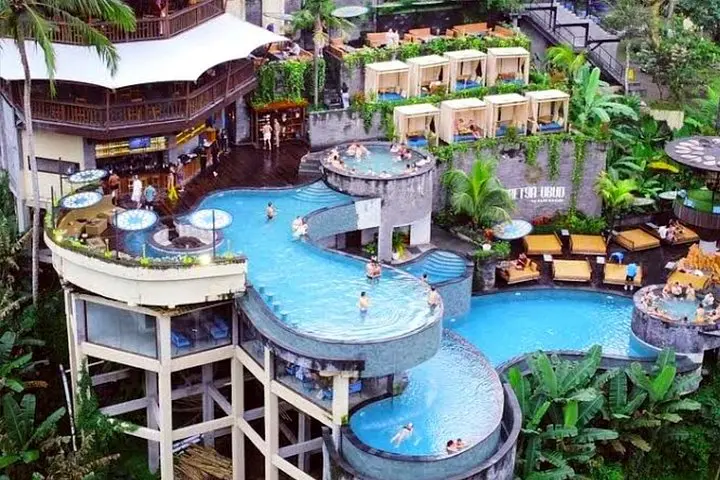
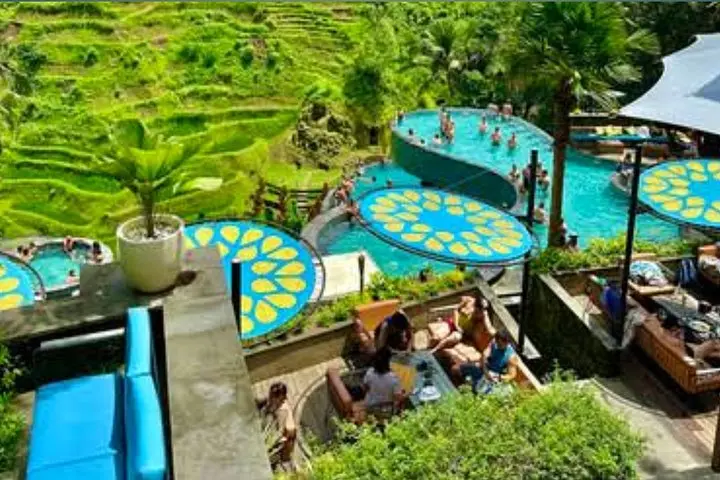
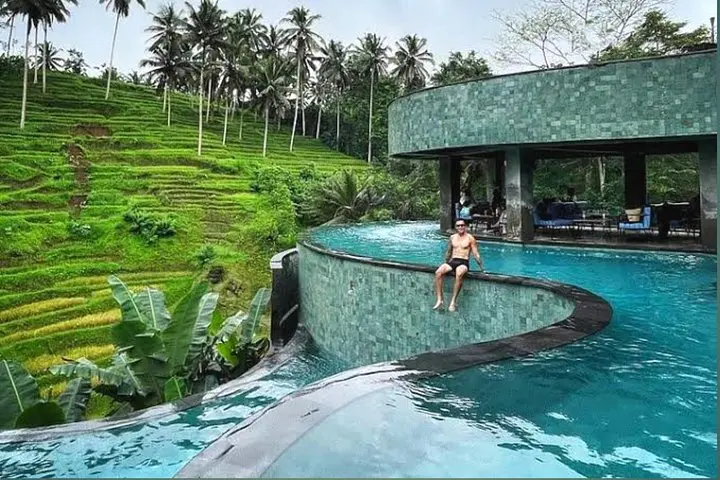
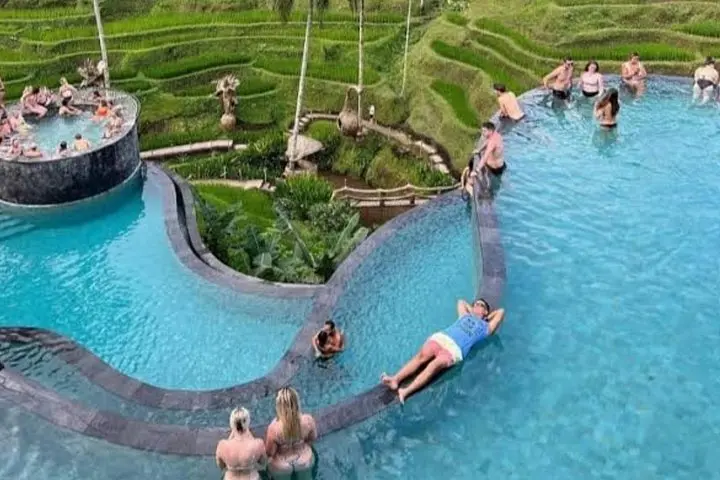
You step off an air-conditioned minivan into humid Balinese air, the clack of motorbikes fading as a terrace club overlooks a patchwork of green paddies. Cretya Ubud serves a relaxed introduction: an open-air terrace where rice fields slope away and steam rises from a simple lunch, the rhythm of irrigation channels audible in the distance.
You step off an air-conditioned minivan into humid Balinese air, the clack of motorbikes fading as a terrace club overlooks a patchwork of green paddies. Cretya Ubud serves a relaxed introduction: an open-air terrace where rice fields slope away and steam rises from a simple lunch, the rhythm of irrigation channels audible in the distance.
From there the tour shifts to the Ayung River, Bali’s most popular rafting corridor. The river has cut a narrow valley through volcanic soils and older lava flows, shaping cliffs, small waterfalls, and pockets of rainforest where kingfishers and monitor lizards find cover. Ubud itself grew as a cultural hub in the early 20th century; the surrounding rice fields still reflect the Subak irrigation system that organizes life and ceremony across Bali.
The rafting run mixes calm, scenic stretches for photos with a series of class II–III rapids that encourage teamwork without demanding prior expertise. Expect roughly 2–3 hours on the water over about 9–12 km, with safety briefings, life jackets, and local guides steering the raft.
Practical guidance: bring quick-dry clothes, waterproof footwear, and a small towel provided by many operators; leave valuables in lockers and carry minimal cash for tips or snacks. Morning departures beat mid-day heat and heavier tour traffic. Operators commonly include transfer, lunch, and shower facilities, but confirm pickup points and any age limits before booking. Respect local sites, follow guides’ instructions, and plan for wet-season river swell if traveling December–March.