THE ADVENTURE COLLECTIVE® · Independent discovery and booking for outdoor travel

A half‑day that pairs a mangrove boat search for mugger crocodiles with a guided walk through a working Goan spice plantation and home‑style lunch. Ideal for wildlife watchers and food‑curious travelers looking for an accessible nature and culture combo.
A half‑day that pairs a mangrove boat search for mugger crocodiles with a guided walk through a working Goan spice plantation and home‑style lunch. Ideal for wildlife watchers and food‑curious travelers looking for an accessible nature and culture combo.
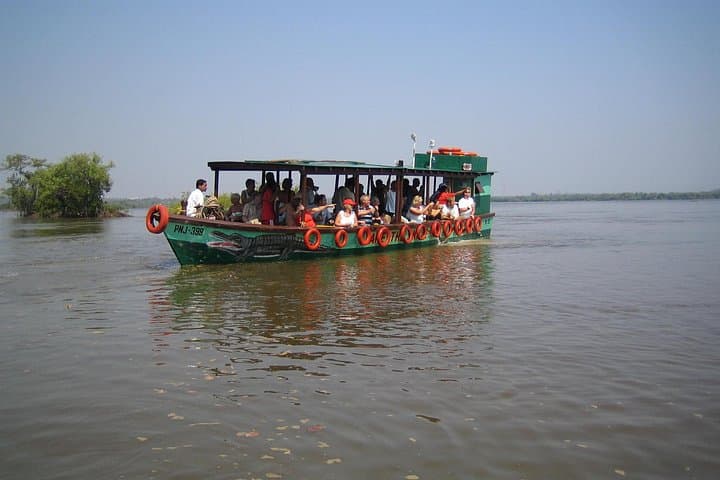
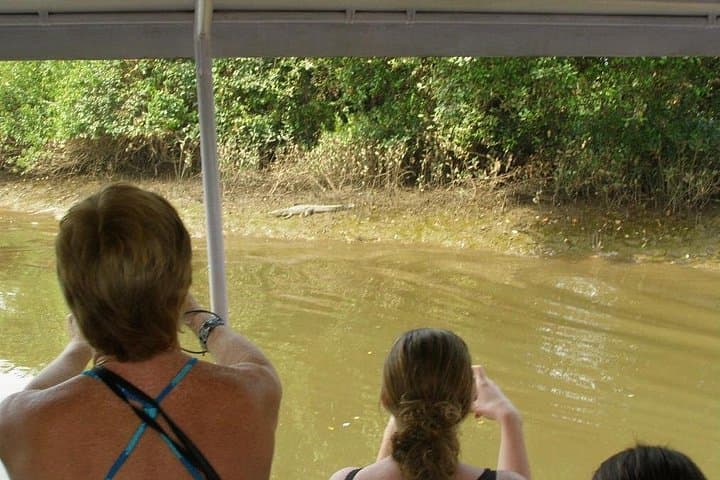
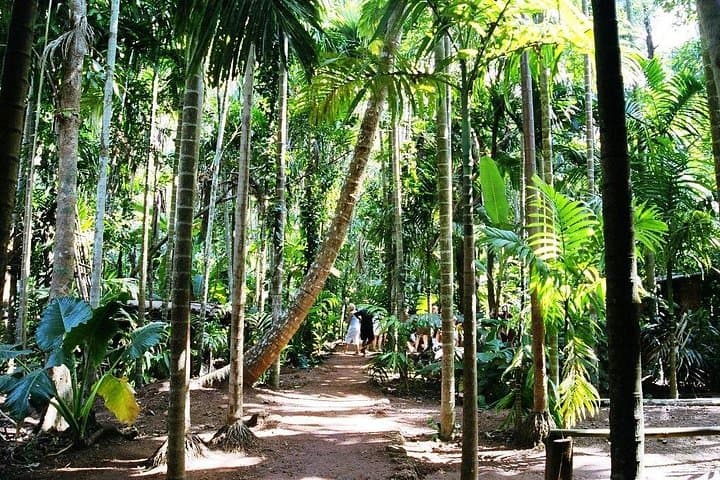
Sunlight slices across the estuary as a low‑slung boat slips between mangrove roots, the river breathing cool and slow. Conversation drops to a whisper; guides scan banks where the mugger crocodile basks and migratory terns wheel above. The day pairs saline riverwork with the humid hush of a tropical spice plot — black pepper vines coiling up trunks, green cardamom glowing under canopy shade, and jackfruit heavy on low limbs.
Verified experiences and guided adventures in the surrounding area.
Operated by Trinity Voyage · Panaji, Goa
Sunlight slices across the estuary as a low‑slung boat slips between mangrove roots, the river breathing cool and slow. Conversation drops to a whisper; guides scan banks where the mugger crocodile basks and migratory terns wheel above. The day pairs saline riverwork with the humid hush of a tropical spice plot — black pepper vines coiling up trunks, green cardamom glowing under canopy shade, and jackfruit heavy on low limbs.
Goa’s coastal plain is a meeting of riverine geology and human agriculture. Mangrove stands form on alluvial sediments where the Mandovi and its tributaries slow, creating habitat for crocodilians and a corridor for shorebirds. Plantation culture here has roots in local Konkani farming and centuries of Portuguese-era trade that shaped crop choices and culinary techniques.
The tour moves from observation to participation: a guided boat search through narrow creeks, followed by a shaded walk with local farmers who explain spice ecology and harvesting methods. Expect a home‑style Goan lunch prepared by village women — coconut, vinegar, rice, and plantain in straightforward, robust flavors.
Practical guidance: mornings are best for wildlife activity and cooler light for photos; bring lightweight long sleeves, insect repellent, and sun protection. Stay with the guide near river edges — crocodile sightings are possible but never guaranteed; maintain distance and follow safety briefings. Wear closed shoes for the plantation paths and pack a small daypack with water and a camera with a zoom lens. The experience blends easy paddling, patient wildlife watching, and gentle walking — ideal for travelers who want a single‑day introduction to Goa’s natural and agricultural rhythms.
Sightings are common but not guaranteed; visibility depends on season, tide, and animal behavior — mornings increase your chances.
Yes—children can join, though infants should sit on laps in the boat; follow staff guidance and supervise children near water.
Yes; the tour typically includes private transport, bottled water, and a local Goan lunch prepared by village cooks.
This operator advises the experience is not recommended for pregnant travelers due to boat travel and uneven walking conditions.
Trinity Voyage operates guided outdoor trips and adventures with an emphasis on safety, stewardship, and memorable experiences.

Sunlight slices across the estuary as a low‑slung boat slips between mangrove roots, the river breathing cool and slow. Conversation drops to a whisper; guides scan banks where the mugger crocodile basks and migratory terns wheel above. The day pairs saline riverwork with the humid hush of a tropical spice plot — black pepper vines coiling up trunks, green cardamom glowing under canopy shade, and jackfruit heavy on low limbs.
Sunlight slices across the estuary as a low‑slung boat slips between mangrove roots, the river breathing cool and slow. Conversation drops to a whisper; guides scan banks where the mugger crocodile basks and migratory terns wheel above. The day pairs saline riverwork with the humid hush of a tropical spice plot — black pepper vines coiling up trunks, green cardamom glowing under canopy shade, and jackfruit heavy on low limbs.
Goa’s coastal plain is a meeting of riverine geology and human agriculture. Mangrove stands form on alluvial sediments where the Mandovi and its tributaries slow, creating habitat for crocodilians and a corridor for shorebirds. Plantation culture here has roots in local Konkani farming and centuries of Portuguese-era trade that shaped crop choices and culinary techniques.
The tour moves from observation to participation: a guided boat search through narrow creeks, followed by a shaded walk with local farmers who explain spice ecology and harvesting methods. Expect a home‑style Goan lunch prepared by village women — coconut, vinegar, rice, and plantain in straightforward, robust flavors.
Practical guidance: mornings are best for wildlife activity and cooler light for photos; bring lightweight long sleeves, insect repellent, and sun protection. Stay with the guide near river edges — crocodile sightings are possible but never guaranteed; maintain distance and follow safety briefings. Wear closed shoes for the plantation paths and pack a small daypack with water and a camera with a zoom lens. The experience blends easy paddling, patient wildlife watching, and gentle walking — ideal for travelers who want a single‑day introduction to Goa’s natural and agricultural rhythms.