THE ADVENTURE COLLECTIVE® · Independent discovery and booking for outdoor travel

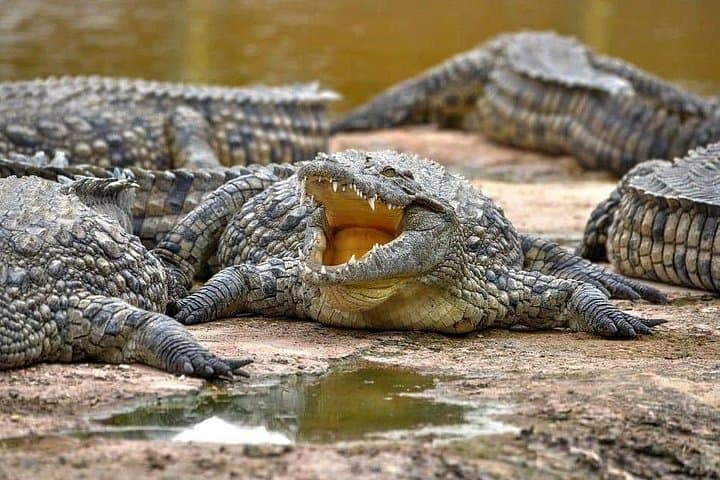
Visit Crocoparc from Agadir to view over 300 Nile crocodiles alongside a curated collection of arid-adapted plants. This short half-day trip blends guided wildlife viewing, botanical displays, and convenient hotel transfer for families and nature fans.
Visit Crocoparc from Agadir to view over 300 Nile crocodiles alongside a curated collection of arid-adapted plants. This short half-day trip blends guided wildlife viewing, botanical displays, and convenient hotel transfer for families and nature fans.
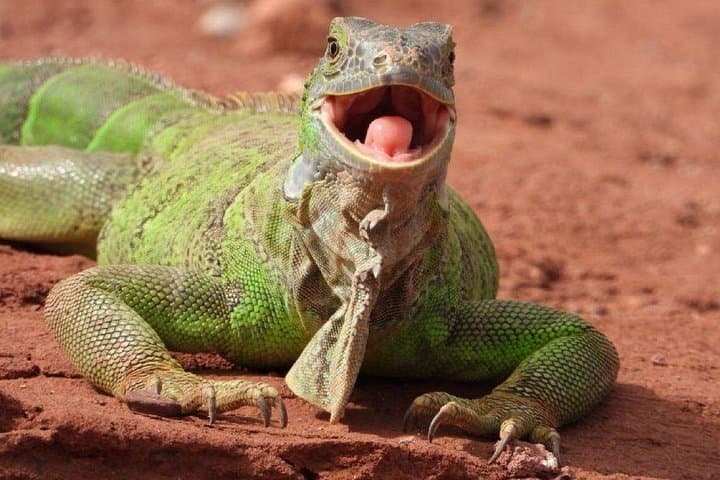
The path through Crocoparc opens with humid, greenhouse warmth and the low, prehistoric hush of reptile pools. You step from an air-conditioned van into a landscaped ravine where cement-lined lagoons reflect palms and cacti, and the slow silhouettes of Nile crocodiles slip beneath the surface like living boulders. Guides position groups at safe viewing platforms; children press fingers to railings while anacondas coil behind glass and iguanas bask on sun-warmed rocks.
Verified experiences and guided adventures in the surrounding area.
Operated by Agadir Bouffi Tours · Agadir, Souss-Massa
The path through Crocoparc opens with humid, greenhouse warmth and the low, prehistoric hush of reptile pools. You step from an air-conditioned van into a landscaped ravine where cement-lined lagoons reflect palms and cacti, and the slow silhouettes of Nile crocodiles slip beneath the surface like living boulders. Guides position groups at safe viewing platforms; children press fingers to railings while anacondas coil behind glass and iguanas bask on sun-warmed rocks.
Crocoparc was developed as a combined botanical garden and crocodile conservation site to showcase exotic species and local flora in a controlled setting. The gardens collect arid-adapted plants—aloe, euphorbia, and native argan trees—while the terraced pools recall the area's ancient riverbeds carved into sandstone. The park sits just outside Agadir, a city shaped by coastal fishing traditions and rebuilt after the 1960 earthquake, giving the visit a clear link between modern Morocco and a long human relationship with the Atlantic and Souss valley.
Expect 1.5–3 hours on-site: keeper talks, enclosed reptile houses, and a viewpoint terrace with Atlas glimpses. Practical notes: wear closed-toe shoes for uneven stairs, bring sun protection for exposed terraces, and carry water—shade is limited between exhibits. Photography is allowed but respect barrier lines; the animals are on display as part of breeding and education programs, so quiet observation matters.
Timing your visit in the morning avoids the hottest hours and yields more active animals. Hotel pick-up simplifies logistics; public transit options also serve the general area if you prefer independent arrival.
The tour typically includes about 1.5–2 hours inside the park, with a total tour duration around 2.5 hours including transport and pick-up.
Yes—Crocoparc is family-friendly and stroller accessible, with designated platforms for viewing; infant seats are available for transport on the tour.
Yes—this trip includes hotel pick-up and drop-off in Agadir via an air-conditioned vehicle as part of the booking.
Photography is permitted from observation areas, but you must stay behind barriers; do not attempt to touch or feed the animals for safety and conservation reasons.
Agadir Bouffi Tours operates guided outdoor trips and adventures with an emphasis on safety, stewardship, and memorable experiences.
The path through Crocoparc opens with humid, greenhouse warmth and the low, prehistoric hush of reptile pools. You step from an air-conditioned van into a landscaped ravine where cement-lined lagoons reflect palms and cacti, and the slow silhouettes of Nile crocodiles slip beneath the surface like living boulders. Guides position groups at safe viewing platforms; children press fingers to railings while anacondas coil behind glass and iguanas bask on sun-warmed rocks.
The path through Crocoparc opens with humid, greenhouse warmth and the low, prehistoric hush of reptile pools. You step from an air-conditioned van into a landscaped ravine where cement-lined lagoons reflect palms and cacti, and the slow silhouettes of Nile crocodiles slip beneath the surface like living boulders. Guides position groups at safe viewing platforms; children press fingers to railings while anacondas coil behind glass and iguanas bask on sun-warmed rocks.
Crocoparc was developed as a combined botanical garden and crocodile conservation site to showcase exotic species and local flora in a controlled setting. The gardens collect arid-adapted plants—aloe, euphorbia, and native argan trees—while the terraced pools recall the area's ancient riverbeds carved into sandstone. The park sits just outside Agadir, a city shaped by coastal fishing traditions and rebuilt after the 1960 earthquake, giving the visit a clear link between modern Morocco and a long human relationship with the Atlantic and Souss valley.
Expect 1.5–3 hours on-site: keeper talks, enclosed reptile houses, and a viewpoint terrace with Atlas glimpses. Practical notes: wear closed-toe shoes for uneven stairs, bring sun protection for exposed terraces, and carry water—shade is limited between exhibits. Photography is allowed but respect barrier lines; the animals are on display as part of breeding and education programs, so quiet observation matters.
Timing your visit in the morning avoids the hottest hours and yields more active animals. Hotel pick-up simplifies logistics; public transit options also serve the general area if you prefer independent arrival.