THE ADVENTURE COLLECTIVE® · Independent discovery and booking for outdoor travel

Drive through two hours of St. Paul history as your guide traces Prohibition-era hideouts, nightclubs, and courthouse dramas. This private chauffeured tour pairs urban geology and social history with curbside storytelling.
Drive through two hours of St. Paul history as your guide traces Prohibition-era hideouts, nightclubs, and courthouse dramas. This private chauffeured tour pairs urban geology and social history with curbside storytelling.
The sedan eases away from the curb and the city rearranges itself: brick storefronts slide past, a river bend catches afternoon light, and Summit Avenue’s mansions loom like characters in a crime drama. In two hours you move through neighborhoods where the ordinary façades once masked illegal lives — a courthouse shadowing a stolen payday, a soft-lit club that kept secrets.
Verified experiences and guided adventures in the surrounding area.
Operated by Douglas Kline · St. Paul, Minnesota
The sedan eases away from the curb and the city rearranges itself: brick storefronts slide past, a river bend catches afternoon light, and Summit Avenue’s mansions loom like characters in a crime drama. In two hours you move through neighborhoods where the ordinary façades once masked illegal lives — a courthouse shadowing a stolen payday, a soft-lit club that kept secrets.
St. Paul’s gangster era sits at the intersection of early 20th-century urban growth, Prohibition, and the transportation corridors that threaded the Midwest. The city’s position on the Mississippi and its rail connections made it a practical waypoint for bootleggers and bank robbers. Geologically, the river’s low bluffs and flat glacial plains shaped the city’s street grid and the placement of elite avenues alongside working-class blocks — an arrangement gangsters exploited to disappear into anonymity.
Culturally the tour screens old headlines against today’s neighborhoods: immigrant communities, immigrant-built clubs, and civic institutions that prosecuted or protected. Local guides often point out architectural details and plaques that mark long-forgotten raids and trials.
Practical guidance: the route is driven in a professionally chauffeured sedan or SUV, rain or shine; expect limited walking, frequent curbside photo stops, and adaptable routing to fit time or weather. Bring a charged camera, a light jacket for river breezes, and a sense of curiosity about how urban form and illicit economies once coexisted. If you want deeper archival detail, ask for stop-specific histories or local references to extend your exploration on foot afterward.
The tour starts at a mutually agreed curbside pickup in St. Paul and returns to a convenient drop-off; the route is flexible to your schedule.
The chauffeured vehicle is accessible for short transfers; walking portions are brief but contact the operator in advance to confirm specific accessibility needs.
Yes — this private tour can be tailored to prioritize locations like Summit Avenue, the Capitol, or particular historical incidents if requested ahead of time.
The itinerary focuses on exterior views; guides can incorporate a brief stop at a café or restrooms on request where practical.
Douglas Kline operates guided outdoor trips and adventures with an emphasis on safety, stewardship, and memorable experiences.
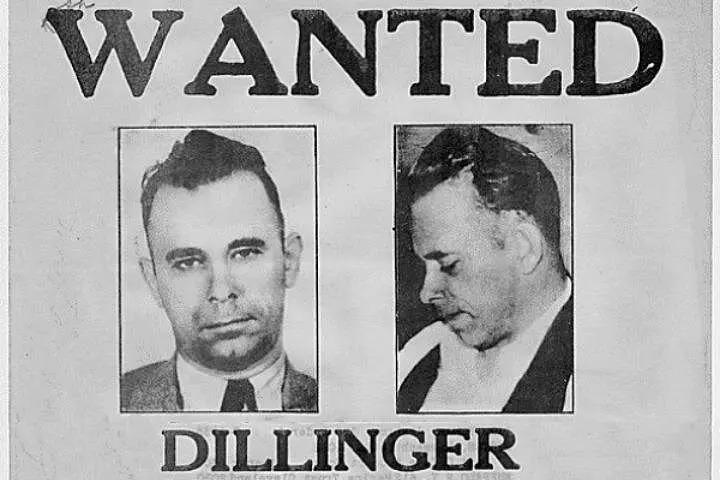

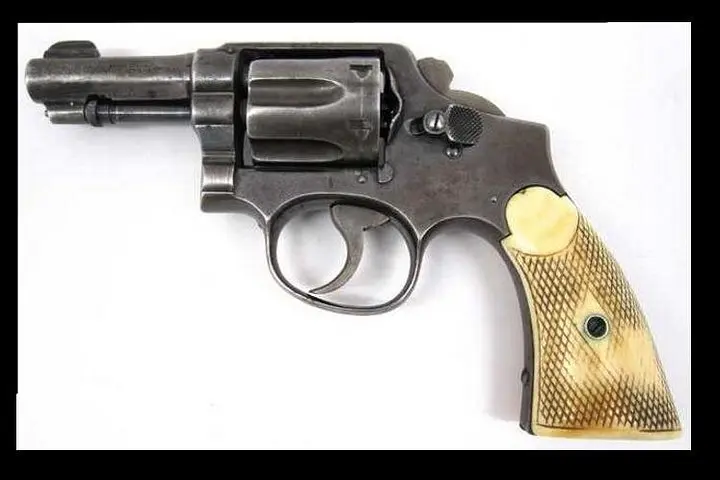
The sedan eases away from the curb and the city rearranges itself: brick storefronts slide past, a river bend catches afternoon light, and Summit Avenue’s mansions loom like characters in a crime drama. In two hours you move through neighborhoods where the ordinary façades once masked illegal lives — a courthouse shadowing a stolen payday, a soft-lit club that kept secrets.
The sedan eases away from the curb and the city rearranges itself: brick storefronts slide past, a river bend catches afternoon light, and Summit Avenue’s mansions loom like characters in a crime drama. In two hours you move through neighborhoods where the ordinary façades once masked illegal lives — a courthouse shadowing a stolen payday, a soft-lit club that kept secrets.
St. Paul’s gangster era sits at the intersection of early 20th-century urban growth, Prohibition, and the transportation corridors that threaded the Midwest. The city’s position on the Mississippi and its rail connections made it a practical waypoint for bootleggers and bank robbers. Geologically, the river’s low bluffs and flat glacial plains shaped the city’s street grid and the placement of elite avenues alongside working-class blocks — an arrangement gangsters exploited to disappear into anonymity.
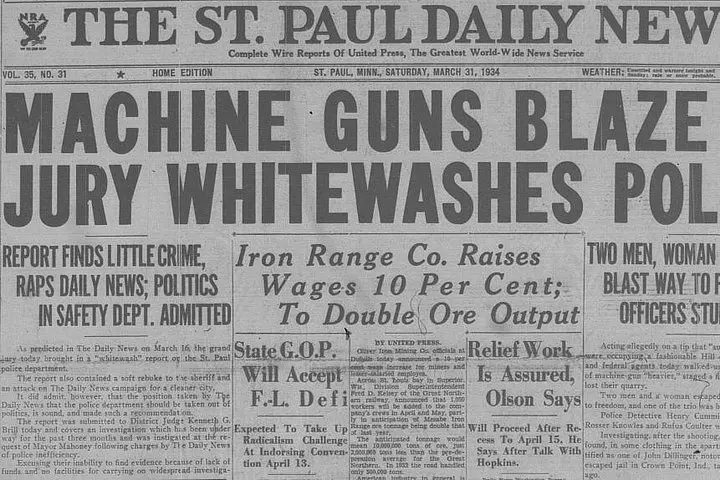
Culturally the tour screens old headlines against today’s neighborhoods: immigrant communities, immigrant-built clubs, and civic institutions that prosecuted or protected. Local guides often point out architectural details and plaques that mark long-forgotten raids and trials.
Practical guidance: the route is driven in a professionally chauffeured sedan or SUV, rain or shine; expect limited walking, frequent curbside photo stops, and adaptable routing to fit time or weather. Bring a charged camera, a light jacket for river breezes, and a sense of curiosity about how urban form and illicit economies once coexisted. If you want deeper archival detail, ask for stop-specific histories or local references to extend your exploration on foot afterward.