
Crop-to-Cup Lake Kivu Coffee & Night Fishing: 2-Day Cultural Immersion
Spend 48 hours on Lake Kivu sampling coffee from tree to cup and joining night fishermen as they work by lantern light. This immersive tour blends hands-on harvesting, traditional coffee processing, and cultural exchange with cooperative farmers.
An Adventure In Rubavu (Gisenyi).
Spend 48 hours on Lake Kivu sampling coffee from tree to cup and joining night fishermen as they work by lantern light. This immersive tour blends hands-on harvesting, traditional coffee processing, and cultural exchange with cooperative farmers.
Read the full experience
Dawn breaks over Lake Kivu like a slow breath: lanterns bob a rhythm across the water, fishermen chant as their three-hulled boats cut the glassy surface, and the first roast of coffee—fresh, smoky, immediate—stirs memory into your hands.
Dawn breaks over Lake Kivu like a slow breath: lanterns bob a rhythm across the water, fishermen chant as their three-hulled boats cut the glassy surface, and the first roast of coffee—fresh, smoky, immediate—stirs memory into your hands.
This two-day loop stitches together geology and culture. Lake Kivu sits in the western arm of the East African Rift; volcanic ridges rise to the west and the often-smoldering Nyiragongo watches from across the border. Coffee and tea arrived with colonial cash economies, and local cooperatives later reclaimed the process—turning export crops back into community ritual.
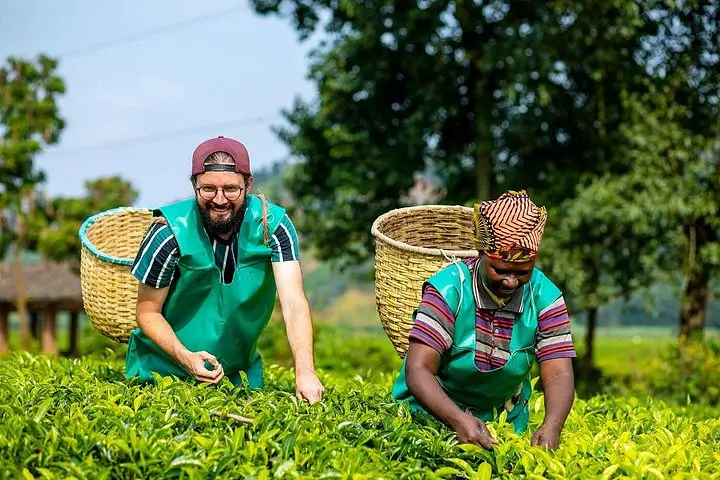
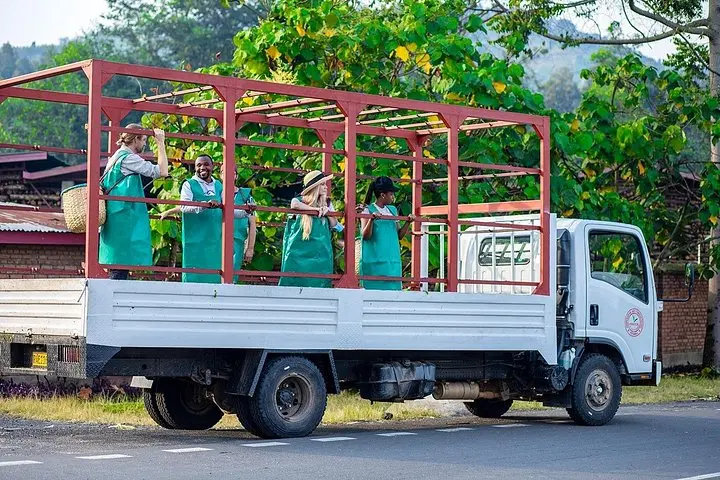
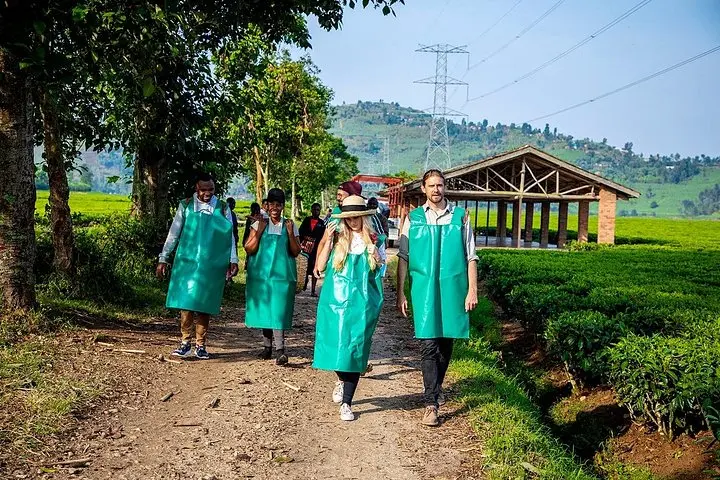
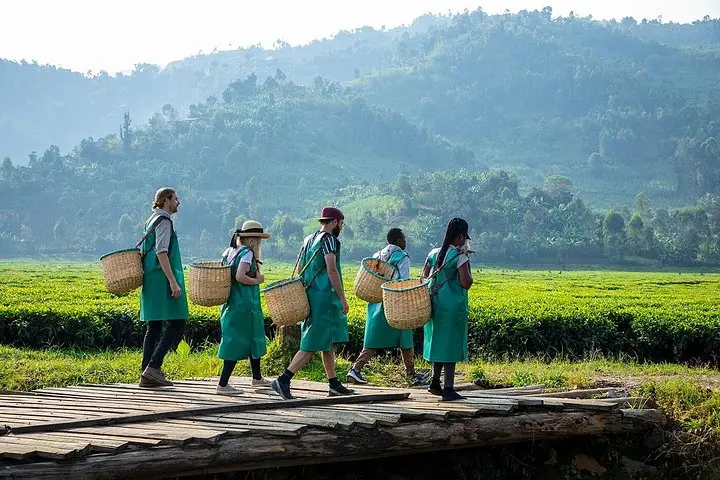
On day one you'll traverse steep tea terraces at Pfunda, learning the rule every picker follows: only the top three leaves and the bud. After a short drive and boat crossing you join night fishermen who use lantern light to summon sambaza and tilapia—an old practice now balanced with seasonal fishing closures to protect stocks.
Day two centers on Coopac’s coffee plots and the Gashashi washing station. You pick cherries, ride through depulping and fermentation cycles, then taste coffee made the old way—pounded, roasted over open flame, ground between stones, and drunk with the farmers who now drink what they grow. Before you leave, three bean samples—parchment, green, roasted—make the process tangible.
Practical notes: expect early starts, steep walking on tea slopes, and damp shorelines at the washing station. Bring sturdy shoes, rain protection, and a headlamp for the night boat. Travel light, support the cooperative by buying beans, and respect local rhythms—when the lake rests, the fishermen do too.
Frequently asked questions
No. Night fishing depends on weather, lake currents, and local fishing closures; guides confirm in the afternoon whether boats will go out.
No. Activities are hands-on but guided—farmers and agronomists teach picking and processing techniques suitable for beginners.
Yes; the itinerary includes accommodation at Lake Kivu Serena and meals from lunch on day one through breakfast on day two as stated by the operator.
Yes; the tour often includes small cooperative shops and you leave with samples. Purchasing directly supports local producers.
About This Experience
New Dawn Associates operates guided outdoor trips and adventures with an emphasis on safety, stewardship, and memorable experiences.
Adventure tips
Recommended gear
- Sturdy walking shoes: Provide traction on steep tea slopes and muddy paths.
- Lightweight rain jacket: Quick protection from tropical showers during boat transfers and fieldwork.
- Headlamp with spare batteries: Useful for boarding boats at dusk and moving safely around camps at night.
- Reusable water bottle with filter: Reduces plastic waste; filtered water helpful between supplied bottled water.
Photos of the experience
Related adventures & guides
Read the full experience
Dawn breaks over Lake Kivu like a slow breath: lanterns bob a rhythm across the water, fishermen chant as their three-hulled boats cut the glassy surface, and the first roast of coffee—fresh, smoky, immediate—stirs memory into your hands.
Dawn breaks over Lake Kivu like a slow breath: lanterns bob a rhythm across the water, fishermen chant as their three-hulled boats cut the glassy surface, and the first roast of coffee—fresh, smoky, immediate—stirs memory into your hands.
This two-day loop stitches together geology and culture. Lake Kivu sits in the western arm of the East African Rift; volcanic ridges rise to the west and the often-smoldering Nyiragongo watches from across the border. Coffee and tea arrived with colonial cash economies, and local cooperatives later reclaimed the process—turning export crops back into community ritual.
On day one you'll traverse steep tea terraces at Pfunda, learning the rule every picker follows: only the top three leaves and the bud. After a short drive and boat crossing you join night fishermen who use lantern light to summon sambaza and tilapia—an old practice now balanced with seasonal fishing closures to protect stocks.
Day two centers on Coopac’s coffee plots and the Gashashi washing station. You pick cherries, ride through depulping and fermentation cycles, then taste coffee made the old way—pounded, roasted over open flame, ground between stones, and drunk with the farmers who now drink what they grow. Before you leave, three bean samples—parchment, green, roasted—make the process tangible.
Practical notes: expect early starts, steep walking on tea slopes, and damp shorelines at the washing station. Bring sturdy shoes, rain protection, and a headlamp for the night boat. Travel light, support the cooperative by buying beans, and respect local rhythms—when the lake rests, the fishermen do too.
Make a day of it nearby.
Verified experiences and guided adventures in the surrounding area.