THE ADVENTURE COLLECTIVE® · Independent discovery and booking for outdoor travel

Cross the border from Dubrovnik for a compact, two-day sweep through Počitelj’s tower, Mostar’s UNESCO Old Bridge and Sarajevo’s Old Town and Tunnel Museum. This private trip pairs guided context with free time to explore at your own pace.
Cross the border from Dubrovnik for a compact, two-day sweep through Počitelj’s tower, Mostar’s UNESCO Old Bridge and Sarajevo’s Old Town and Tunnel Museum. This private trip pairs guided context with free time to explore at your own pace.
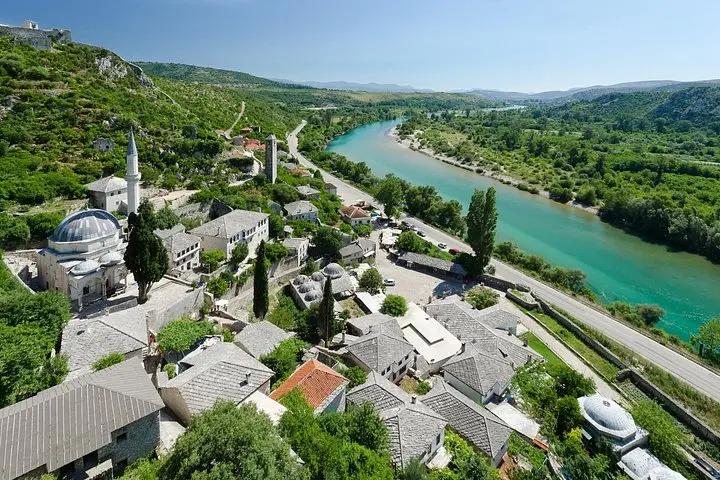
A salt-scented morning sets the pace as you leave Dubrovnik’s stone ramparts behind and follow the Adriatic westward, then inland where the Neretva River cuts green into karst slopes. The minivan hums along coastal roads, and within hours you can step into Počitelj’s stepped lanes, climb the medieval tower and scan a landscape shaped by limestone ridges and river terraces.
Verified experiences and guided adventures in the surrounding area.
Operated by Super Tours · Dubrovnik, Dubrovnik-Neretva County
A salt-scented morning sets the pace as you leave Dubrovnik’s stone ramparts behind and follow the Adriatic westward, then inland where the Neretva River cuts green into karst slopes. The minivan hums along coastal roads, and within hours you can step into Počitelj’s stepped lanes, climb the medieval tower and scan a landscape shaped by limestone ridges and river terraces.
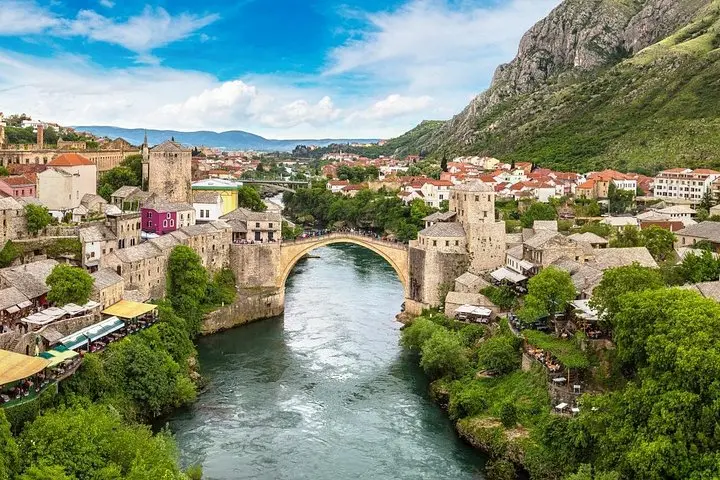
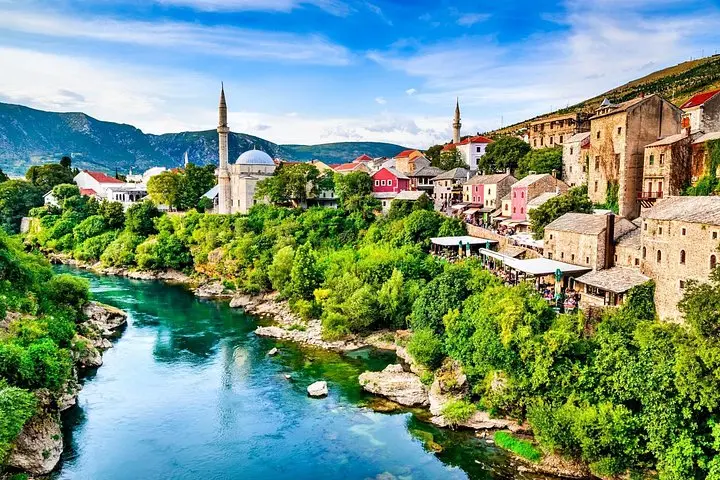
Mostar’s Old Bridge, rebuilt after the 1990s war, anchors this route—a 16th-century Ottoman span that still defines the town’s cultural crossroads. The itinerary moves from Ottoman bazaars and mosques to Sarajevo’s Austro-Hungarian façades and the sobering Sarajevo Tunnel Museum, where the city’s resilience during the siege is made intimate: a hand-dug 800-meter lifeline under siege lines.
Expect compact walking in uneven cobbles, photo stops at viewpoints, and a mix of lectures and free time to explore artisan workshops. The geology shifts from coastal karst to riverine valleys; cuisine follows suit—grilled meats, hearty soups and baklava punctuate lunches. Border formalities are routine but require valid ID; local currency in Bosnia-Herzegovina is the convertible mark (BAM).
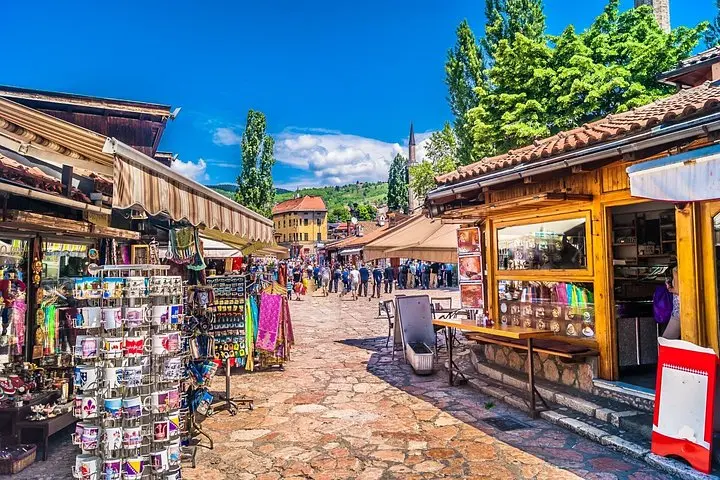
Practical tips: keep passports or ID handy, carry some BAM for small shops, wear solid walking shoes for cobbles and stair climbs, and allow downtime in Sarajevo’s Baščaršija to absorb the city’s layered history. Travellers who blend curiosity and comfortable pacing will leave having seen both the architecture and the recent history that shape this region.
Yes—this tour crosses from Croatia into Bosnia and Herzegovina. Carry your passport or national ID and check any visa requirements for your nationality.
The tour includes two lunches and one night of central Sarajevo accommodation (per option selected); confirm details with your provider at booking.
Expect several hours of walking overall across two days—mostly on cobbles and town streets with short stair climbs; pace is moderate with scheduled free time.
Yes—the itinerary includes a guided visit to the Sarajevo Tunnel Museum, with admission noted in the schedule.
Super Tours operates guided outdoor trips and adventures with an emphasis on safety, stewardship, and memorable experiences.
A salt-scented morning sets the pace as you leave Dubrovnik’s stone ramparts behind and follow the Adriatic westward, then inland where the Neretva River cuts green into karst slopes. The minivan hums along coastal roads, and within hours you can step into Počitelj’s stepped lanes, climb the medieval tower and scan a landscape shaped by limestone ridges and river terraces.
A salt-scented morning sets the pace as you leave Dubrovnik’s stone ramparts behind and follow the Adriatic westward, then inland where the Neretva River cuts green into karst slopes. The minivan hums along coastal roads, and within hours you can step into Počitelj’s stepped lanes, climb the medieval tower and scan a landscape shaped by limestone ridges and river terraces.
Mostar’s Old Bridge, rebuilt after the 1990s war, anchors this route—a 16th-century Ottoman span that still defines the town’s cultural crossroads. The itinerary moves from Ottoman bazaars and mosques to Sarajevo’s Austro-Hungarian façades and the sobering Sarajevo Tunnel Museum, where the city’s resilience during the siege is made intimate: a hand-dug 800-meter lifeline under siege lines.
Expect compact walking in uneven cobbles, photo stops at viewpoints, and a mix of lectures and free time to explore artisan workshops. The geology shifts from coastal karst to riverine valleys; cuisine follows suit—grilled meats, hearty soups and baklava punctuate lunches. Border formalities are routine but require valid ID; local currency in Bosnia-Herzegovina is the convertible mark (BAM).
Practical tips: keep passports or ID handy, carry some BAM for small shops, wear solid walking shoes for cobbles and stair climbs, and allow downtime in Sarajevo’s Baščaršija to absorb the city’s layered history. Travellers who blend curiosity and comfortable pacing will leave having seen both the architecture and the recent history that shape this region.