THE ADVENTURE COLLECTIVE® · Independent discovery and booking for outdoor travel

Walk the top of Hoover Dam, shoot the neon towers of Seven Magic Mountains and grab a classic Vegas-sign photo on a compact, guided half-day tour. Expect engineering stories, panoramic viewpoints, and sun-smart planning tips to make the most of the five-hour outing.
Walk the top of Hoover Dam, shoot the neon towers of Seven Magic Mountains and grab a classic Vegas-sign photo on a compact, guided half-day tour. Expect engineering stories, panoramic viewpoints, and sun-smart planning tips to make the most of the five-hour outing.
You step off the shuttle into a desert that still feels like it's trying to outshine the Strip—washed light, low-slung shrubs and the distant silhouette of the Mike O’Callaghan–Pat Tillman Memorial Bridge rising like a steel spine above the canyon.
Verified experiences and guided adventures in the surrounding area.
Operated by MaxTour · Boulder City, Nevada
You step off the shuttle into a desert that still feels like it's trying to outshine the Strip—washed light, low-slung shrubs and the distant silhouette of the Mike O’Callaghan–Pat Tillman Memorial Bridge rising like a steel spine above the canyon.
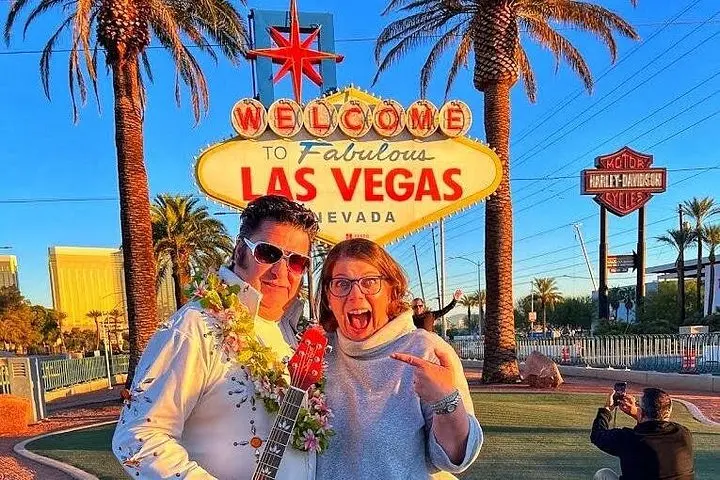
The tour moves with purpose: a quick photo stop at the Welcome to Las Vegas sign, a short wander through the neon towers of Seven Magic Mountains, then the slow, satisfying climb to the dam’s crest. Walking across Hoover Dam is less about crossing a structure and more about measuring scale—1,244 feet of concrete underfoot, a 726-foot drop on the canyon side, and the Colorado River curled like a ribbon far below. The guide, who knows which viewpoints collect the light best, punctuates the route with engineering anecdotes and local lore so the figures feel human-sized.
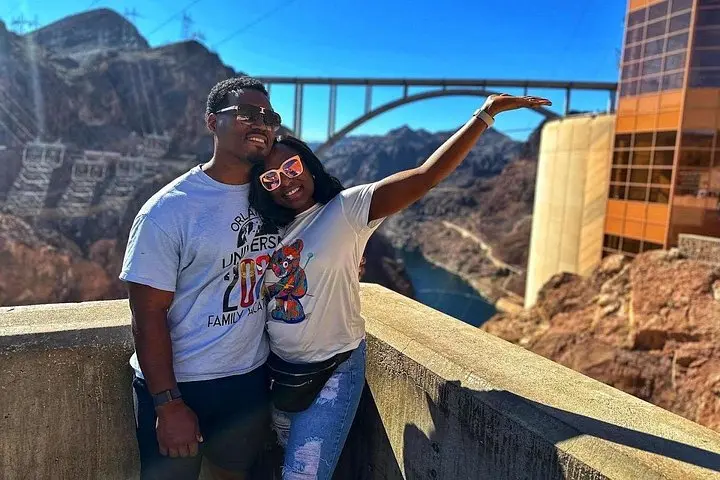
Hoover Dam’s story is grand and gritty. Completed in 1936, it reshaped the Southwest—taming the Colorado River, creating Lake Mead, and powering the region’s growth while employing thousands during the Great Depression. Geologically, Black Canyon exposes ancient Precambrian rock and younger Tertiary formations, carved by millennia of water and tectonic action. The bridge built downstream in 2010 added a modern contrast, giving visitors a sweeping vantage that frames both dam and desert.
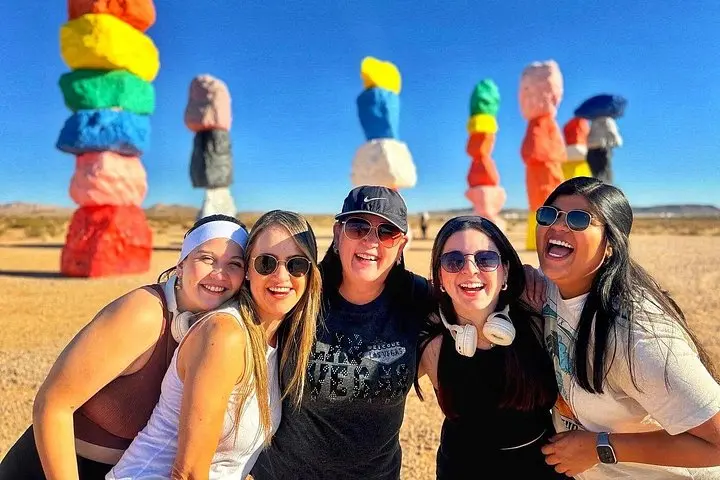
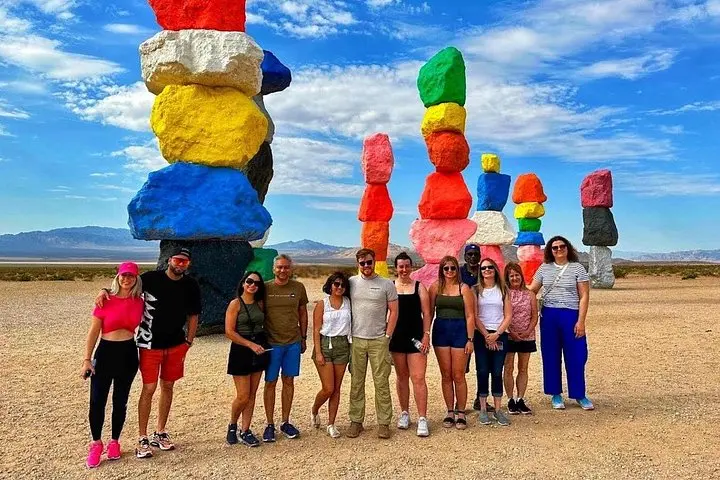
Seven Magic Mountains is a different kind of human mark: a temporary, photogenic intervention—seven bright stacks of painted boulders standing 30 feet tall against Mojave scrub—meant as playful punctuation between city and canyon.
Practical guide: this is a small-group, 5-hour outing with hotel pickup across Las Vegas; expect a 45-minute window before departure for pickup coordination. You'll spend roughly 45 minutes on the dam and shorter stops at the other points. Terrain is paved at the dam and bridge but exposed; the sun has no mercy here. Bring a brimmed hat, sunscreen, and a refillable water bottle—the tour supplies bottled water but you’ll want extras if you plan to scout photos.
Accessibility and safety: the route requires moderate mobility—stairs and exposed railings at viewpoints—and isn’t recommended for pregnant travelers or those with severe heart or back conditions. Photography rules apply on site; follow the guide’s cue for the best frames and to keep traffic flowing.
Timing matters: aim for morning departures to avoid the worst heat and the midday tourist crush. If you want portraits, the low light of early morning or the golden edge of late afternoon softens shadows across the concrete face and the colored boulders.
This half-day tour converts an iconic piece of American infrastructure into a compact, storytelling excursion—equal parts engineering lesson, desert art stop, and cinematic landscape.
The tour is approximately 5 hours long; pickup times vary by hotel and you'll receive an exact pickup time the day before—plan to be ready 45 minutes before your scheduled departure window.
Yes—the guided walking tour across the top of Hoover Dam is included; however, individual museum exhibits or interior powerplant tours (if offered separately) may not be covered.
Children under 5 are not permitted; the itinerary and safety requirements are geared toward older children and adults.
Yes—restrooms are available at stops like the Welcome to Las Vegas sign area and at Hoover Dam facilities; use them during scheduled pauses as the tour moves on a strict timeline.
No—walking across the dam is paved and not steep, but it requires moderate mobility and comfort with heights due to exposed overlooks and railing gaps.
Tours can be canceled for severe weather; for a full refund cancel at least 24 hours before departure. Check local forecasts and dress in layers—desert weather can change quickly.
MaxTour operates guided outdoor trips and adventures with an emphasis on safety, stewardship, and memorable experiences.
You step off the shuttle into a desert that still feels like it's trying to outshine the Strip—washed light, low-slung shrubs and the distant silhouette of the Mike O’Callaghan–Pat Tillman Memorial Bridge rising like a steel spine above the canyon.
You step off the shuttle into a desert that still feels like it's trying to outshine the Strip—washed light, low-slung shrubs and the distant silhouette of the Mike O’Callaghan–Pat Tillman Memorial Bridge rising like a steel spine above the canyon.
The tour moves with purpose: a quick photo stop at the Welcome to Las Vegas sign, a short wander through the neon towers of Seven Magic Mountains, then the slow, satisfying climb to the dam’s crest. Walking across Hoover Dam is less about crossing a structure and more about measuring scale—1,244 feet of concrete underfoot, a 726-foot drop on the canyon side, and the Colorado River curled like a ribbon far below. The guide, who knows which viewpoints collect the light best, punctuates the route with engineering anecdotes and local lore so the figures feel human-sized.
Hoover Dam’s story is grand and gritty. Completed in 1936, it reshaped the Southwest—taming the Colorado River, creating Lake Mead, and powering the region’s growth while employing thousands during the Great Depression. Geologically, Black Canyon exposes ancient Precambrian rock and younger Tertiary formations, carved by millennia of water and tectonic action. The bridge built downstream in 2010 added a modern contrast, giving visitors a sweeping vantage that frames both dam and desert.
Seven Magic Mountains is a different kind of human mark: a temporary, photogenic intervention—seven bright stacks of painted boulders standing 30 feet tall against Mojave scrub—meant as playful punctuation between city and canyon.
Practical guide: this is a small-group, 5-hour outing with hotel pickup across Las Vegas; expect a 45-minute window before departure for pickup coordination. You'll spend roughly 45 minutes on the dam and shorter stops at the other points. Terrain is paved at the dam and bridge but exposed; the sun has no mercy here. Bring a brimmed hat, sunscreen, and a refillable water bottle—the tour supplies bottled water but you’ll want extras if you plan to scout photos.
Accessibility and safety: the route requires moderate mobility—stairs and exposed railings at viewpoints—and isn’t recommended for pregnant travelers or those with severe heart or back conditions. Photography rules apply on site; follow the guide’s cue for the best frames and to keep traffic flowing.
Timing matters: aim for morning departures to avoid the worst heat and the midday tourist crush. If you want portraits, the low light of early morning or the golden edge of late afternoon softens shadows across the concrete face and the colored boulders.
This half-day tour converts an iconic piece of American infrastructure into a compact, storytelling excursion—equal parts engineering lesson, desert art stop, and cinematic landscape.