THE ADVENTURE COLLECTIVE® · Independent discovery and booking for outdoor travel

Drive the iconic Caracoles de Los Andes, cross the high pass at ~3,200 m, and descend into Mendoza’s vineyards on a full-day private transfer. Expect dramatic elevation changes, border checks, and unforgettable views of Aconcagua.
Drive the iconic Caracoles de Los Andes, cross the high pass at ~3,200 m, and descend into Mendoza’s vineyards on a full-day private transfer. Expect dramatic elevation changes, border checks, and unforgettable views of Aconcagua.
A long, winding ribbon of asphalt climbs out of Santiago and the city slips away beneath a band of eucalyptus. The bus tackles the Caracoles de Los Andes — 29 hairpin turns that force the landscape into a series of theatrical reveals: carved valleys, wind-scoured scree, and finally the thin, bright air above 3,200 meters where Cerro Aconcagua lifts like a blunt fist against the sky.
Verified experiences and guided adventures in the surrounding area.
Operated by CELERITERPRO LLC · Los Andes, Valparaíso Region
A long, winding ribbon of asphalt climbs out of Santiago and the city slips away beneath a band of eucalyptus. The bus tackles the Caracoles de Los Andes — 29 hairpin turns that force the landscape into a series of theatrical reveals: carved valleys, wind-scoured scree, and finally the thin, bright air above 3,200 meters where Cerro Aconcagua lifts like a blunt fist against the sky.
This route traces centuries of human movement and geological violence. The Andes were born by plate collision; glaciers and rockfall have shaped the high passes and left mineral-streaked valleys. Colonial and pre‑colonial paths crisscross here, and modern routes now bridge Chile’s Pacific-influenced valleys with Argentina’s rain-shadowed plains and Mendoza’s sun-drenched vineyards. Puente del Inca — a natural stone bridge and historical stop — hints at the region’s hot springs and pilgrim traffic since the 19th century.
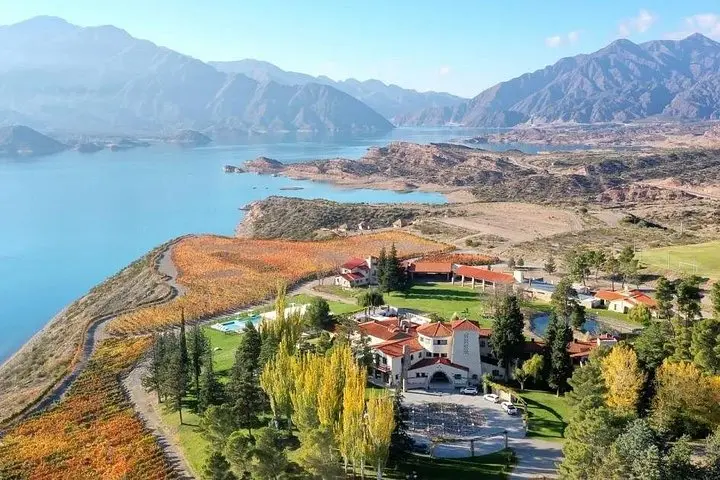
Expect a day of shifting climates: mild Mediterranean air in the valleys, a high‑altitude chill at the pass, and warm, arid foothills as you descend into Mendoza. Practicalities matter: border formalities and weather at the pass can add time; carry passports, layers, and sun protection. The trip runs about 9–10 hours door-to-door on private transport, with multiple photo and rest stops, including a lunch break near the border. Hydrate early, move slowly when you first feel the altitude, and schedule this crossing on a clear day for the best views of Aconcagua and the stepwise change from alpine snow to vineyard rows. It’s travel that reads like terrain — an overland day that crosses climates, elevations, and cultures in a single, memorable route.
The private crossing typically takes about 9–10 hours door-to-door, including rest stops, border formalities, and a lunch break.
Yes — a valid passport is required. Visa requirements depend on your nationality; check both Chilean and Argentine regulations before travel.
Yes — heavy snow, avalanches, or dangerous road conditions at the high pass can close the route; operators may cancel or reroute for safety.
The itinerary involves long periods of sitting and short, sometimes uneven sightseeing stops; travelers with significant mobility limitations should consult the operator in advance.
CELERITERPRO LLC operates guided outdoor trips and adventures with an emphasis on safety, stewardship, and memorable experiences.
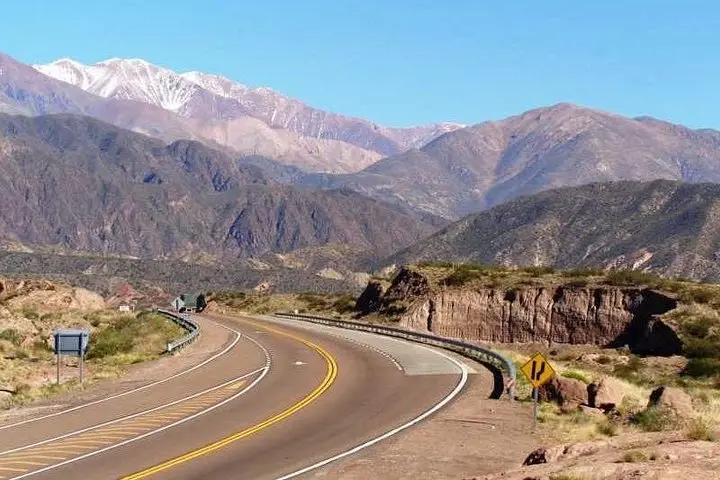
A long, winding ribbon of asphalt climbs out of Santiago and the city slips away beneath a band of eucalyptus. The bus tackles the Caracoles de Los Andes — 29 hairpin turns that force the landscape into a series of theatrical reveals: carved valleys, wind-scoured scree, and finally the thin, bright air above 3,200 meters where Cerro Aconcagua lifts like a blunt fist against the sky.
A long, winding ribbon of asphalt climbs out of Santiago and the city slips away beneath a band of eucalyptus. The bus tackles the Caracoles de Los Andes — 29 hairpin turns that force the landscape into a series of theatrical reveals: carved valleys, wind-scoured scree, and finally the thin, bright air above 3,200 meters where Cerro Aconcagua lifts like a blunt fist against the sky.
This route traces centuries of human movement and geological violence. The Andes were born by plate collision; glaciers and rockfall have shaped the high passes and left mineral-streaked valleys. Colonial and pre‑colonial paths crisscross here, and modern routes now bridge Chile’s Pacific-influenced valleys with Argentina’s rain-shadowed plains and Mendoza’s sun-drenched vineyards. Puente del Inca — a natural stone bridge and historical stop — hints at the region’s hot springs and pilgrim traffic since the 19th century.
Expect a day of shifting climates: mild Mediterranean air in the valleys, a high‑altitude chill at the pass, and warm, arid foothills as you descend into Mendoza. Practicalities matter: border formalities and weather at the pass can add time; carry passports, layers, and sun protection. The trip runs about 9–10 hours door-to-door on private transport, with multiple photo and rest stops, including a lunch break near the border. Hydrate early, move slowly when you first feel the altitude, and schedule this crossing on a clear day for the best views of Aconcagua and the stepwise change from alpine snow to vineyard rows. It’s travel that reads like terrain — an overland day that crosses climates, elevations, and cultures in a single, memorable route.