THE ADVENTURE COLLECTIVE® · Independent discovery and booking for outdoor travel

A two-hour boat cruise from Entebbe takes you to Lwaji Island’s equator rock on Lake Victoria, with birdwatching, wildlife sightings, and an easy photo stop on the line between hemispheres. Perfect for short layovers or a quick afternoon outing.
A two-hour boat cruise from Entebbe takes you to Lwaji Island’s equator rock on Lake Victoria, with birdwatching, wildlife sightings, and an easy photo stop on the line between hemispheres. Perfect for short layovers or a quick afternoon outing.
The boat slips away from Nakiwogo as the shoreline of Entebbe recedes into a scatter of palms and fishing platforms. Water fizzes along the hull, pelicans wheel low, and the guide points toward a rocky outcrop where the island’s equator marker stands—an unassuming line on a boulder that divides two hemispheres by degrees and local stories.
Verified experiences and guided adventures in the surrounding area.
Operated by ENTEBBE CITY WALKING TOUR · Entebbe, Central Region
The boat slips away from Nakiwogo as the shoreline of Entebbe recedes into a scatter of palms and fishing platforms. Water fizzes along the hull, pelicans wheel low, and the guide points toward a rocky outcrop where the island’s equator marker stands—an unassuming line on a boulder that divides two hemispheres by degrees and local stories.
Lake Victoria is a young, broad expanse carved by tectonic shifts of the East African Rift; its shallow, warm waters support dense bird life and fishing communities. The equator points around Uganda—Lwaji Island’s marker among them—are remnants of colonial surveying and later local tourism initiatives. Along the shore, fishing nets and markets speak to a living culture built on the lake’s yield; on the water, you’ll see monitor lizards sunning and otters slipping through reeds.
This is a short, accessible cruise: expect about two hours from hotel pickup to drop-off, gentle boat motion, and multiple photo stops at the equator rock and along bird-rich shallows. Timing around late afternoon improves light for pictures and cools the mid-day glare.
Practical notes: bring sun protection, binoculars, and waterproof pockets for phones. Wear grippy shoes for landing on uneven stone and follow the crew’s safety briefing—life jackets are provided. If you have a tight layover in Entebbe, plan at least five hours to allow transport, boarding, and returns. Respect local wildlife—avoid feeding birds or throwing food into the water—and support local operators by tipping guides and hiring community-led tours. The trip is short but dense with nature, simple geography, and direct cultural contact—an efficient way to cross an equator line and read the living edge of Lake Victoria.
The operator schedules roughly two hours for the excursion, but allow extra time for hotel pickup and return—plan on 3–5 hours total depending on your location and traffic.
Local equator rocks mark surveyed points used for tourism; they approximate the zero-degree latitude line and represent historical surveying rather than a scientific monument.
Yes—life jackets are provided and the tour is rated easy; however, infants typically must sit on an adult’s lap and parents should supervise on landings which can be slippery.
Common sightings include pelicans, kingfishers, gulls, monitor lizards, and occasionally otters or fish eagles near reed beds—wildlife is seasonal and weather-dependent.
ENTEBBE CITY WALKING TOUR operates guided outdoor trips and adventures with an emphasis on safety, stewardship, and memorable experiences.
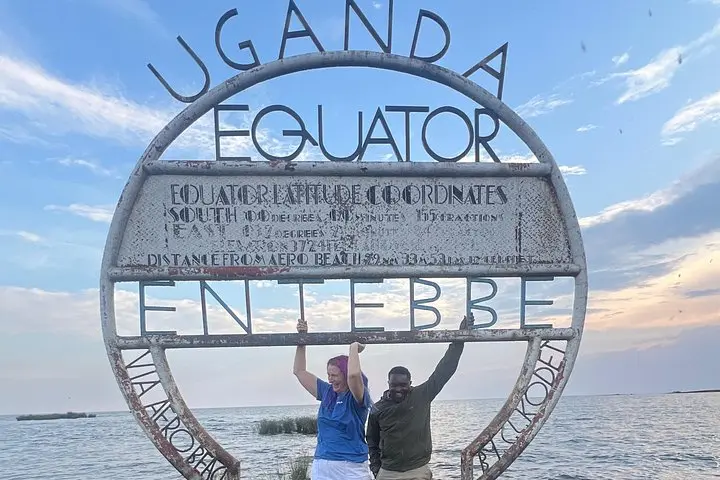
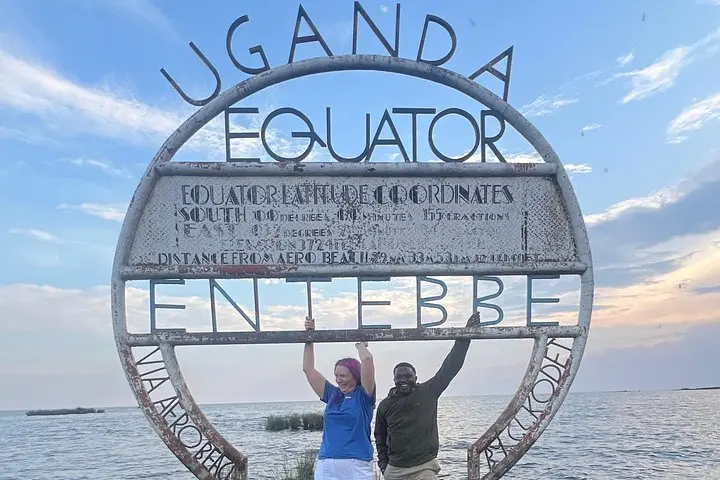
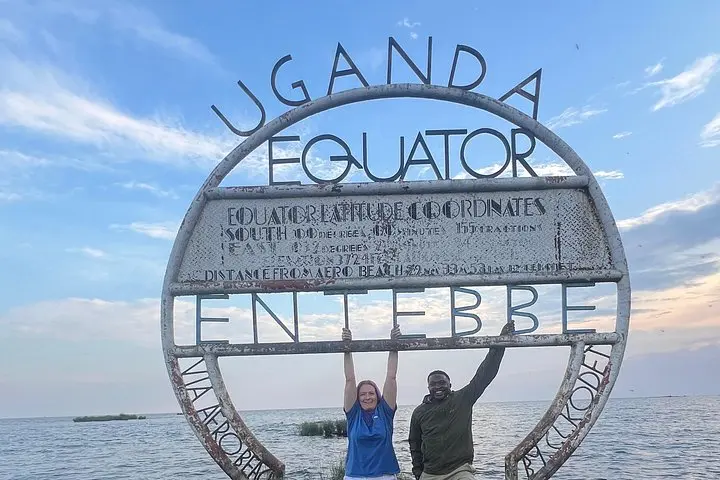
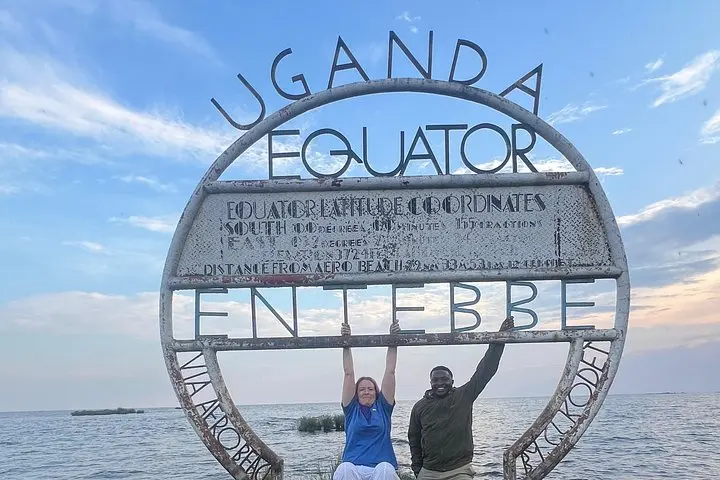
The boat slips away from Nakiwogo as the shoreline of Entebbe recedes into a scatter of palms and fishing platforms. Water fizzes along the hull, pelicans wheel low, and the guide points toward a rocky outcrop where the island’s equator marker stands—an unassuming line on a boulder that divides two hemispheres by degrees and local stories.
The boat slips away from Nakiwogo as the shoreline of Entebbe recedes into a scatter of palms and fishing platforms. Water fizzes along the hull, pelicans wheel low, and the guide points toward a rocky outcrop where the island’s equator marker stands—an unassuming line on a boulder that divides two hemispheres by degrees and local stories.
Lake Victoria is a young, broad expanse carved by tectonic shifts of the East African Rift; its shallow, warm waters support dense bird life and fishing communities. The equator points around Uganda—Lwaji Island’s marker among them—are remnants of colonial surveying and later local tourism initiatives. Along the shore, fishing nets and markets speak to a living culture built on the lake’s yield; on the water, you’ll see monitor lizards sunning and otters slipping through reeds.
This is a short, accessible cruise: expect about two hours from hotel pickup to drop-off, gentle boat motion, and multiple photo stops at the equator rock and along bird-rich shallows. Timing around late afternoon improves light for pictures and cools the mid-day glare.
Practical notes: bring sun protection, binoculars, and waterproof pockets for phones. Wear grippy shoes for landing on uneven stone and follow the crew’s safety briefing—life jackets are provided. If you have a tight layover in Entebbe, plan at least five hours to allow transport, boarding, and returns. Respect local wildlife—avoid feeding birds or throwing food into the water—and support local operators by tipping guides and hiring community-led tours. The trip is short but dense with nature, simple geography, and direct cultural contact—an efficient way to cross an equator line and read the living edge of Lake Victoria.