THE ADVENTURE COLLECTIVE® · Independent discovery and booking for outdoor travel

Circle Miyajima by cruiser on a three‑hour Nanaura Meguri—visiting Itsukushima Shrine and seven coastal sanctuaries from the sea. This guided boat trip pairs shoreline views with centuries of ritual and practical tide‑timed navigation.
Circle Miyajima by cruiser on a three‑hour Nanaura Meguri—visiting Itsukushima Shrine and seven coastal sanctuaries from the sea. This guided boat trip pairs shoreline views with centuries of ritual and practical tide‑timed navigation.
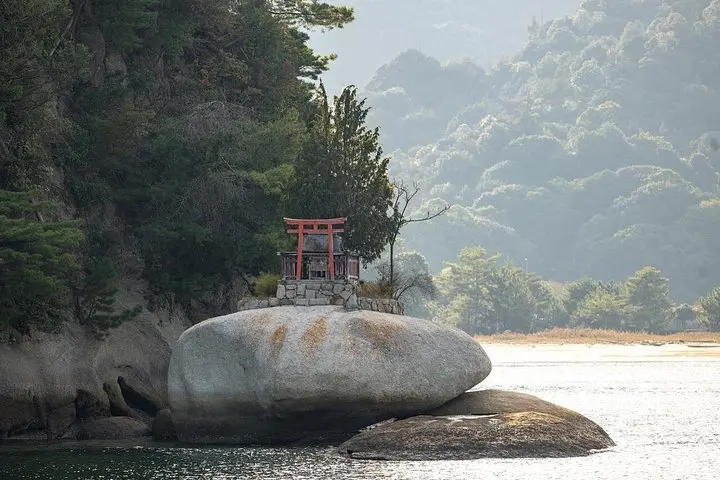
The cruiser slips away from Miyahama Onsen and the Seto Inland Sea opens like a cool, breathing expanse. Salt and pine mingle as the boat skirts Itsukushima’s shoreline; the iconic torii stands off the mudflat, a wooden gate that reads the tides and beckons from the sea. Waves nudge the hull, and the island’s seven coastal shrines appear as modest rooflines and stone steps clinging to coves.
Verified experiences and guided adventures in the surrounding area.
Operated by Attractive JAPAN · Hatsukaichi, Hiroshima Prefecture
The cruiser slips away from Miyahama Onsen and the Seto Inland Sea opens like a cool, breathing expanse. Salt and pine mingle as the boat skirts Itsukushima’s shoreline; the iconic torii stands off the mudflat, a wooden gate that reads the tides and beckons from the sea. Waves nudge the hull, and the island’s seven coastal shrines appear as modest rooflines and stone steps clinging to coves.
This route follows the Nanaura Meguri, a 1,500‑year ritual circuit visiting shrines scattered around Miyajima. Itsukushima‑jinja, the island’s UNESCO site, anchors a landscape shaped by uplifted marine terraces and volcanic action from the wider Chūgoku range. Local fishermen and shrine keepers have read these tides for generations; the shrines mark both spiritual thresholds and practical landing points for small boats.
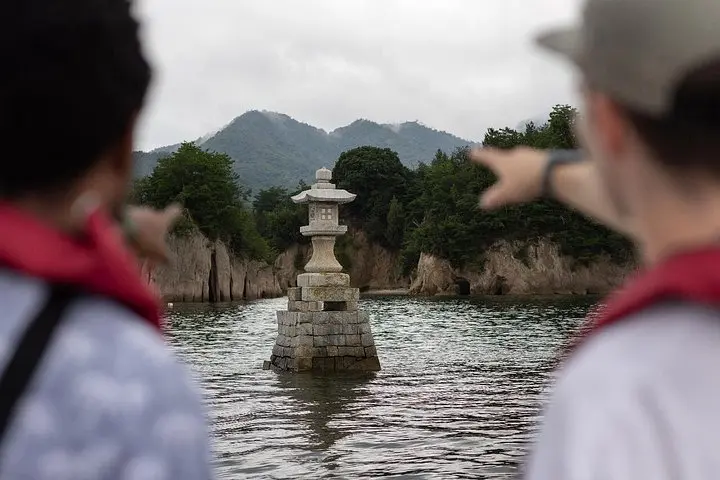
Expect low, rocky headlands, cedar trees that lean toward the sea, and minute cultural markers—stone lanterns, wooden plaques, and steps worn by pilgrimage. The captain times approaches with the tide; some shrines only feel approachable when water level allows. On clear days the mainland’s hills cut a soft counterpoint across the bay.
Practical guidance: wear windproof layers and non‑slip shoes for boarding, secure electronics against spray, and plan for wind chill even in warm months. Life jackets are provided; bring snacks and a waterproof bag for cameras. Ask ahead about tide windows if you want a close pass of the Great Torii. The cruise is three hours and mostly seated—perfect for history lovers who want a sea‑level perspective on a long‑running island ritual.
Approachability depends on the tide that day; the operator can time runs to give the best views, but close passages aren’t guaranteed.
Yes; life jacket rental is included and crew will ask you to wear them when required for safety.
Accessibility is limited by small-boat boarding; contact the operator in advance to discuss assistance and vessel access options.
If the tour is canceled for safety the operator will notify you—otherwise routes may be altered for sea conditions; no refunds are issued under the listed policy.
Attractive JAPAN operates guided outdoor trips and adventures with an emphasis on safety, stewardship, and memorable experiences.
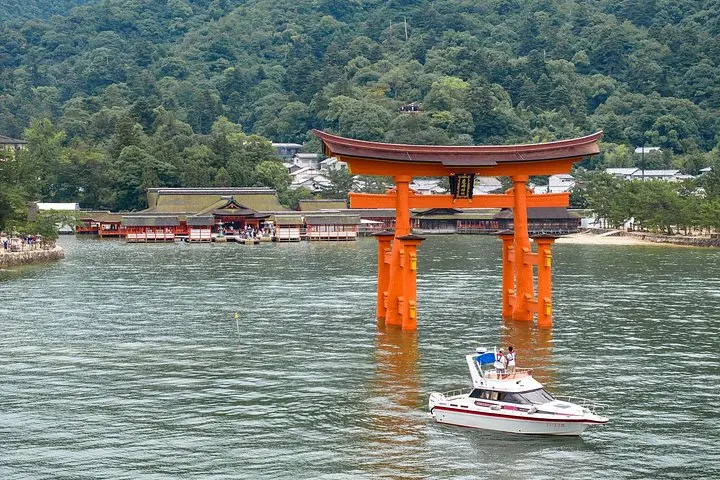
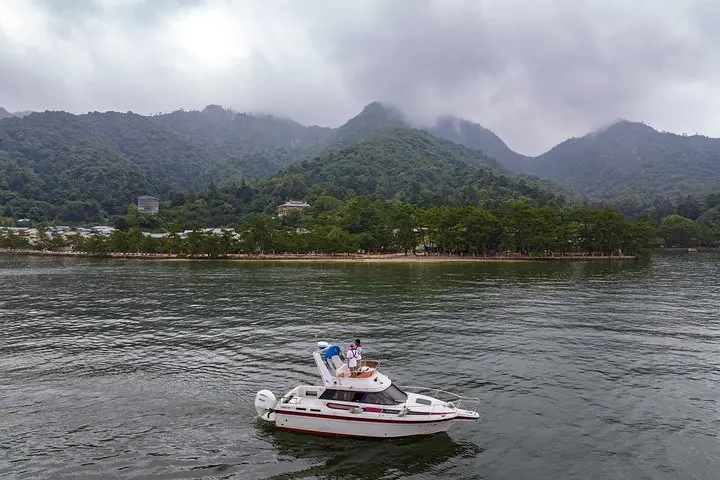
The cruiser slips away from Miyahama Onsen and the Seto Inland Sea opens like a cool, breathing expanse. Salt and pine mingle as the boat skirts Itsukushima’s shoreline; the iconic torii stands off the mudflat, a wooden gate that reads the tides and beckons from the sea. Waves nudge the hull, and the island’s seven coastal shrines appear as modest rooflines and stone steps clinging to coves.
The cruiser slips away from Miyahama Onsen and the Seto Inland Sea opens like a cool, breathing expanse. Salt and pine mingle as the boat skirts Itsukushima’s shoreline; the iconic torii stands off the mudflat, a wooden gate that reads the tides and beckons from the sea. Waves nudge the hull, and the island’s seven coastal shrines appear as modest rooflines and stone steps clinging to coves.
This route follows the Nanaura Meguri, a 1,500‑year ritual circuit visiting shrines scattered around Miyajima. Itsukushima‑jinja, the island’s UNESCO site, anchors a landscape shaped by uplifted marine terraces and volcanic action from the wider Chūgoku range. Local fishermen and shrine keepers have read these tides for generations; the shrines mark both spiritual thresholds and practical landing points for small boats.
Expect low, rocky headlands, cedar trees that lean toward the sea, and minute cultural markers—stone lanterns, wooden plaques, and steps worn by pilgrimage. The captain times approaches with the tide; some shrines only feel approachable when water level allows. On clear days the mainland’s hills cut a soft counterpoint across the bay.
Practical guidance: wear windproof layers and non‑slip shoes for boarding, secure electronics against spray, and plan for wind chill even in warm months. Life jackets are provided; bring snacks and a waterproof bag for cameras. Ask ahead about tide windows if you want a close pass of the Great Torii. The cruise is three hours and mostly seated—perfect for history lovers who want a sea‑level perspective on a long‑running island ritual.