THE ADVENTURE COLLECTIVE® · Independent discovery and booking for outdoor travel

Step into a cool, well-lit mine tunnel to see gold in the rock, watch hand-steeling demos and try sluice pan gold recovery. This accessible 90-minute tour combines mining history with hands-on panning at the Miner’s Museum in Wallace, Idaho.
Step into a cool, well-lit mine tunnel to see gold in the rock, watch hand-steeling demos and try sluice pan gold recovery. This accessible 90-minute tour combines mining history with hands-on panning at the Miner’s Museum in Wallace, Idaho.
A chill hum settles in before the guide turns on the headlamp — fifty degrees inside the adit, steady as a heartbeat. The Crystal Gold Mine tour moves along well-lit concrete walkways; the rock feels cool to the touch and the vein of gold flashes like a secret daring you to look closer. Visitors step from a sunlit parking lot into a pocket of industrial history where drills once bit granite and miners followed a glint underground.
Verified experiences and guided adventures in the surrounding area.
Operated by Crystal Gold Mine · Wallace, Idaho
A chill hum settles in before the guide turns on the headlamp — fifty degrees inside the adit, steady as a heartbeat. The Crystal Gold Mine tour moves along well-lit concrete walkways; the rock feels cool to the touch and the vein of gold flashes like a secret daring you to look closer. Visitors step from a sunlit parking lot into a pocket of industrial history where drills once bit granite and miners followed a glint underground.
The mine is part of Idaho’s Silver Valley, where hard-rock mining shaped towns, rail lines and local identity from the late 19th century through the 20th. Geologically, this is polymetallic country: quartz veins threaded with native gold and sulfide minerals that formed under high heat and pressure. Guides explain hand-steeling and show samples where gold still clings to the host rock — a tactile lesson in ore, pressure and patience.
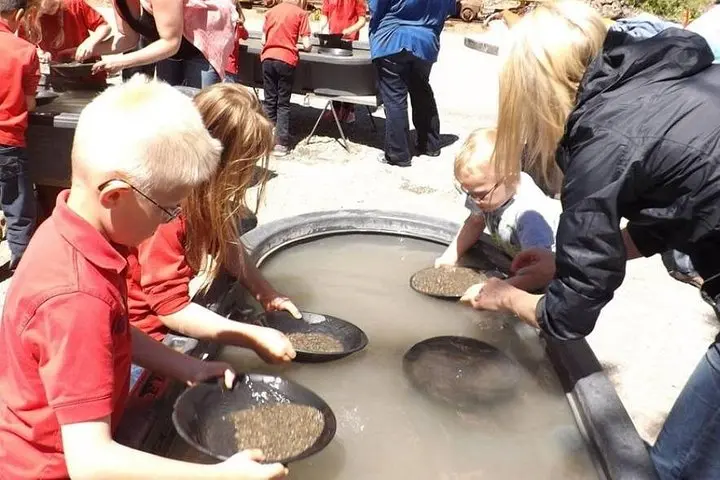
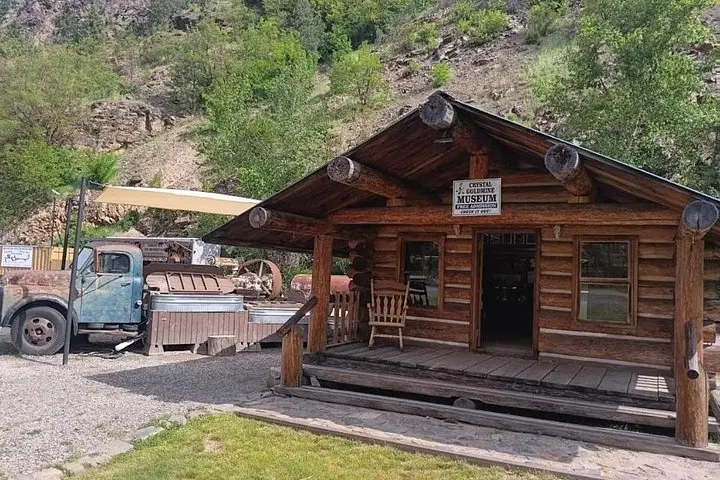
Culturally, the Miner’s Museum preserves tools, photographs and the human stories that kept the shafts running. After the 45-minute interpretive walk, guests spend up to 30 minutes at the sluice learning basic panning technique — the physical skill that let prospectors separate luck from rock.
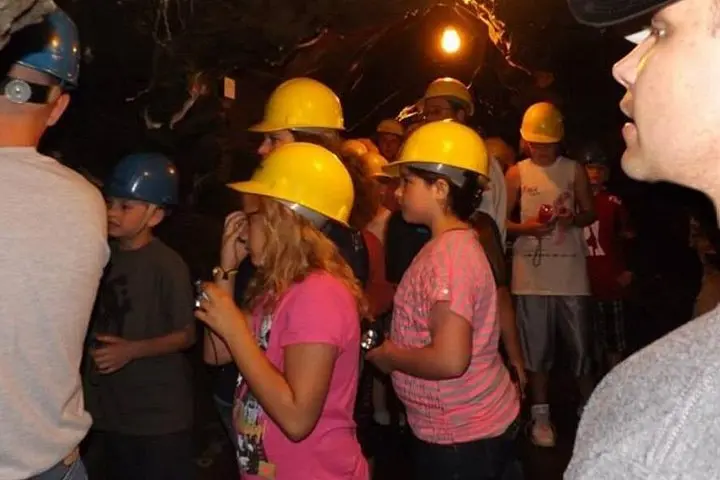
Practical notes: the route is accessible with no stooping or climbing; hard hats and mini flashlights are provided. Wear sturdy, closed-toe shoes (concrete can be damp), bring a light layer for the constant 50°F, and allow about 90 minutes for the full experience. Tours run hourly; arriving early gives you time in the museum and the gift shop. This is an easy, tactile way to connect with Idaho’s mining past without spelunking experience.
Yes — tours follow well-lit concrete walkways with no stooping or crawling; staff can provide accessibility information at check-in.
Yes — guests receive a hard hat and mini flashlight for use during the guided tour.
Gold panning is a demonstration and recreational activity; finds are typically small flakes or specks — rare pieces may appear but are not guaranteed.
Yes — the tour is family-friendly; infants can ride in strollers and staff will advise on safety for young children during the mine walk and panning.
Crystal Gold Mine operates guided outdoor trips and adventures with an emphasis on safety, stewardship, and memorable experiences.
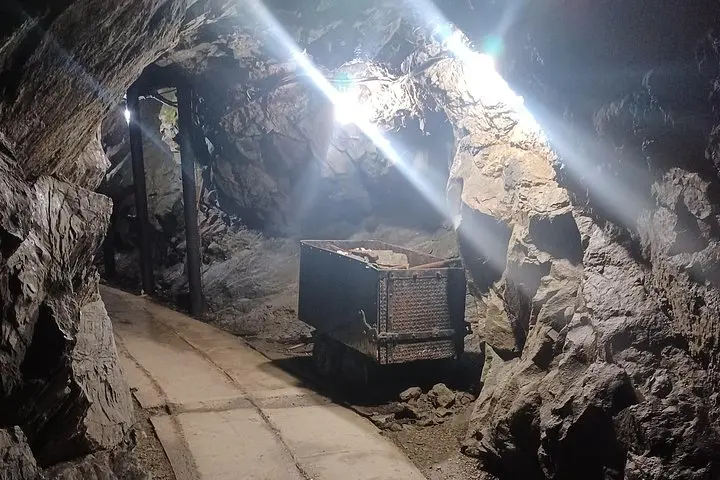
A chill hum settles in before the guide turns on the headlamp — fifty degrees inside the adit, steady as a heartbeat. The Crystal Gold Mine tour moves along well-lit concrete walkways; the rock feels cool to the touch and the vein of gold flashes like a secret daring you to look closer. Visitors step from a sunlit parking lot into a pocket of industrial history where drills once bit granite and miners followed a glint underground.
A chill hum settles in before the guide turns on the headlamp — fifty degrees inside the adit, steady as a heartbeat. The Crystal Gold Mine tour moves along well-lit concrete walkways; the rock feels cool to the touch and the vein of gold flashes like a secret daring you to look closer. Visitors step from a sunlit parking lot into a pocket of industrial history where drills once bit granite and miners followed a glint underground.
The mine is part of Idaho’s Silver Valley, where hard-rock mining shaped towns, rail lines and local identity from the late 19th century through the 20th. Geologically, this is polymetallic country: quartz veins threaded with native gold and sulfide minerals that formed under high heat and pressure. Guides explain hand-steeling and show samples where gold still clings to the host rock — a tactile lesson in ore, pressure and patience.
Culturally, the Miner’s Museum preserves tools, photographs and the human stories that kept the shafts running. After the 45-minute interpretive walk, guests spend up to 30 minutes at the sluice learning basic panning technique — the physical skill that let prospectors separate luck from rock.
Practical notes: the route is accessible with no stooping or climbing; hard hats and mini flashlights are provided. Wear sturdy, closed-toe shoes (concrete can be damp), bring a light layer for the constant 50°F, and allow about 90 minutes for the full experience. Tours run hourly; arriving early gives you time in the museum and the gift shop. This is an easy, tactile way to connect with Idaho’s mining past without spelunking experience.