THE ADVENTURE COLLECTIVE® · Independent discovery and booking for outdoor travel

Spend a full day linking Ho Chi Minh City’s colonial and wartime landmarks with a hands-on visit to the Cu Chi tunnel network. This one-day tour mixes city highlights, a local lunch, and a guided exploration of the tunnels with transport included.
Spend a full day linking Ho Chi Minh City’s colonial and wartime landmarks with a hands-on visit to the Cu Chi tunnel network. This one-day tour mixes city highlights, a local lunch, and a guided exploration of the tunnels with transport included.
You step off an air-conditioned minibus into a belt of low scrub and rubber trees; humidity presses at the back of your neck and the path ahead narrows toward low, squat entrances. The Cu Chi area still smells of earth and fire—charred pottery, sun-baked soil—while the city’s French facades and lacquered halls feel a world away some 70 km to the southeast.
Verified experiences and guided adventures in the surrounding area.
Operated by Cu Chi Tunnels Tours · Ho Chi Minh City, Ho Chi Minh
You step off an air-conditioned minibus into a belt of low scrub and rubber trees; humidity presses at the back of your neck and the path ahead narrows toward low, squat entrances. The Cu Chi area still smells of earth and fire—charred pottery, sun-baked soil—while the city’s French facades and lacquered halls feel a world away some 70 km to the southeast.
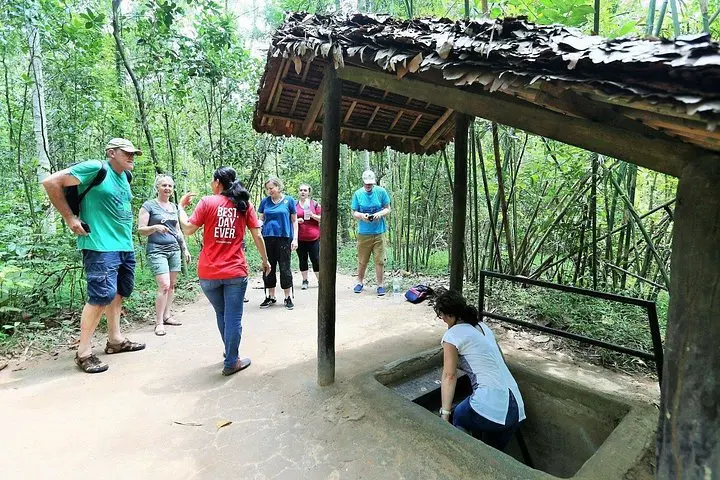
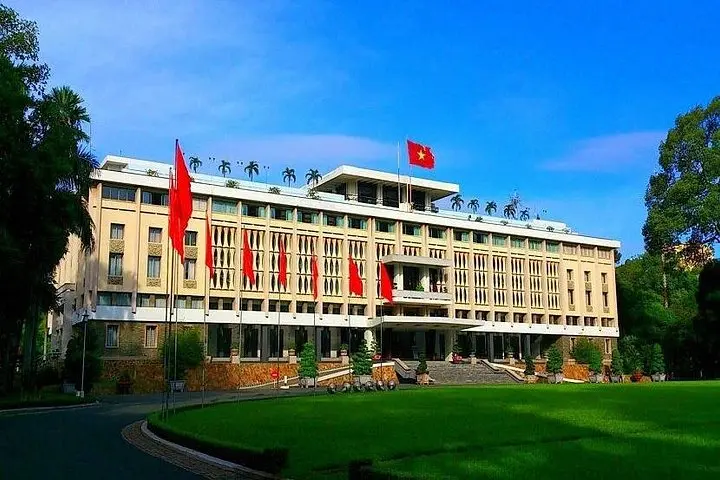
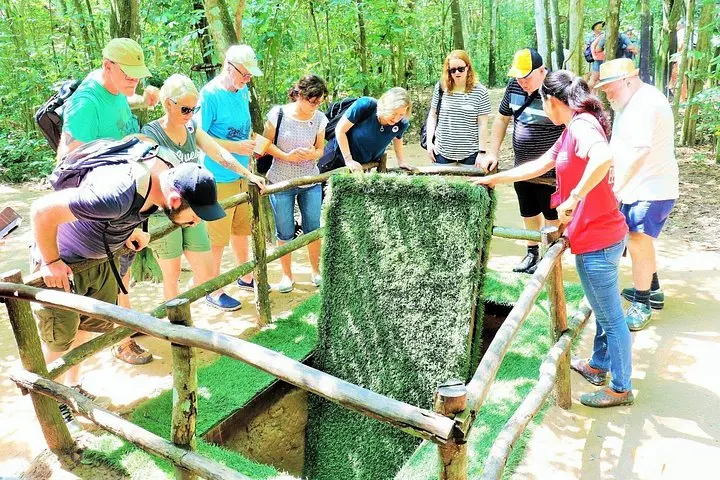
The day pairs Ho Chi Minh City’s 20th-century landmarks—the Reunification (Independence) Palace, Notre Dame Cathedral and the Central Post Office—with a slow, tactile lesson underground. The Cu Chi tunnels are an engineered labyrinth carved into local lateritic and sandy clay soils, expanded over years into kitchens, clinics and command posts. Exhibits at the War Remnants Museum and the tunnel visitor center frame how civilians adapted landscape and resources for survival; village guides still pass down first-hand accounts. Forest and scrub play a role too: roots and leaf litter concealed trap doors, while rivers and irrigation canals shaped movement and supply lines during wartime.
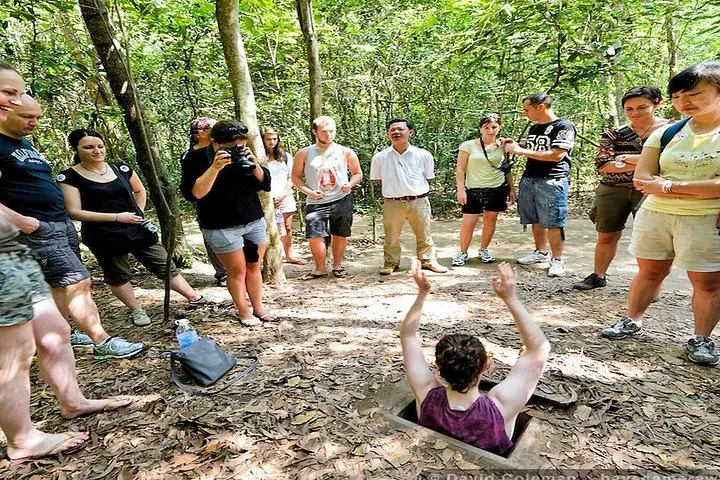
Practically, expect a full 8-hour itinerary with about 1.5 hours each way by bus from central Ho Chi Minh City, a guided city stop in the morning, lunch at a local restaurant, an introductory video, and a guided tunnel walk. Footwear should be closed-toe; the tunnels include low, narrow crawl sections and uneven earth. Bring water, insect protection and a camera for surface sites only. If you’re prone to claustrophobia, skip the tightest crawlways—the park has short, widened sections that demonstrate the system without full commitment. Tours commonly include pickup and drop-off, entrance fees and a chance to sample cassava and tea—simple, grounding touches after a dense day of history and terrain.
The tour includes roughly a 1.5-hour bus drive each way (about 70 km) depending on traffic and exact pickup location.
Yes—visitor tunnels are maintained and guides brief guests on safe sections; however, the tightest original passages are not recommended for those with claustrophobia or mobility issues.
Lunch at a local restaurant is typically included along with tea and cassava sampling at the tunnel site.
Most operators include hotel pickup and drop-off in central Ho Chi Minh City—confirm your pickup point when booking.
Cu Chi Tunnels Tours operates guided outdoor trips and adventures with an emphasis on safety, stewardship, and memorable experiences.
You step off an air-conditioned minibus into a belt of low scrub and rubber trees; humidity presses at the back of your neck and the path ahead narrows toward low, squat entrances. The Cu Chi area still smells of earth and fire—charred pottery, sun-baked soil—while the city’s French facades and lacquered halls feel a world away some 70 km to the southeast.
You step off an air-conditioned minibus into a belt of low scrub and rubber trees; humidity presses at the back of your neck and the path ahead narrows toward low, squat entrances. The Cu Chi area still smells of earth and fire—charred pottery, sun-baked soil—while the city’s French facades and lacquered halls feel a world away some 70 km to the southeast.
The day pairs Ho Chi Minh City’s 20th-century landmarks—the Reunification (Independence) Palace, Notre Dame Cathedral and the Central Post Office—with a slow, tactile lesson underground. The Cu Chi tunnels are an engineered labyrinth carved into local lateritic and sandy clay soils, expanded over years into kitchens, clinics and command posts. Exhibits at the War Remnants Museum and the tunnel visitor center frame how civilians adapted landscape and resources for survival; village guides still pass down first-hand accounts. Forest and scrub play a role too: roots and leaf litter concealed trap doors, while rivers and irrigation canals shaped movement and supply lines during wartime.
Practically, expect a full 8-hour itinerary with about 1.5 hours each way by bus from central Ho Chi Minh City, a guided city stop in the morning, lunch at a local restaurant, an introductory video, and a guided tunnel walk. Footwear should be closed-toe; the tunnels include low, narrow crawl sections and uneven earth. Bring water, insect protection and a camera for surface sites only. If you’re prone to claustrophobia, skip the tightest crawlways—the park has short, widened sections that demonstrate the system without full commitment. Tours commonly include pickup and drop-off, entrance fees and a chance to sample cassava and tea—simple, grounding touches after a dense day of history and terrain.