THE ADVENTURE COLLECTIVE® · Independent discovery and booking for outdoor travel

Combine Saigon’s colonial landmarks with a visit to the Cu Chi Tunnels on a single full-day trip. Spend the morning among cathedrals and the Reunification Palace, then explore the underground network that shaped Vietnam’s wartime resilience.
Combine Saigon’s colonial landmarks with a visit to the Cu Chi Tunnels on a single full-day trip. Spend the morning among cathedrals and the Reunification Palace, then explore the underground network that shaped Vietnam’s wartime resilience.
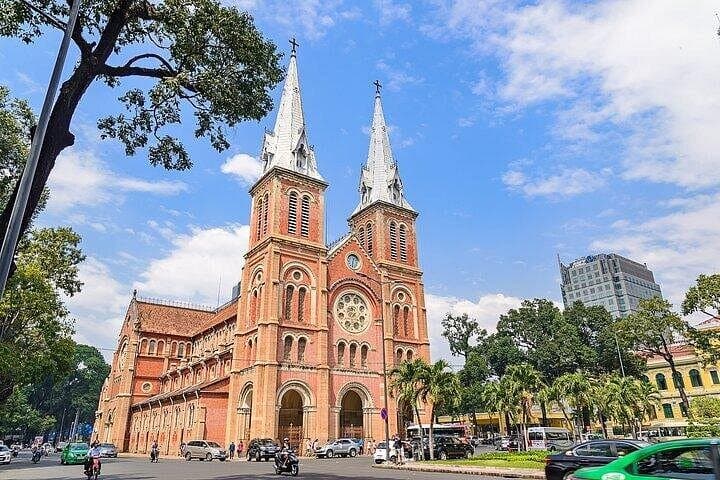
You step out into Saigon's morning traffic—the city already moving, motorbikes carving lanes, church bells from Notre-Dame marking time—before the road sighs northwest toward the open, scrubby fields that hide the Cu Chi Tunnels.
Verified experiences and guided adventures in the surrounding area.
Operated by Asia Local Tour · Ho Chi Minh City, Ho Chi Minh
You step out into Saigon's morning traffic—the city already moving, motorbikes carving lanes, church bells from Notre-Dame marking time—before the road sighs northwest toward the open, scrubby fields that hide the Cu Chi Tunnels.
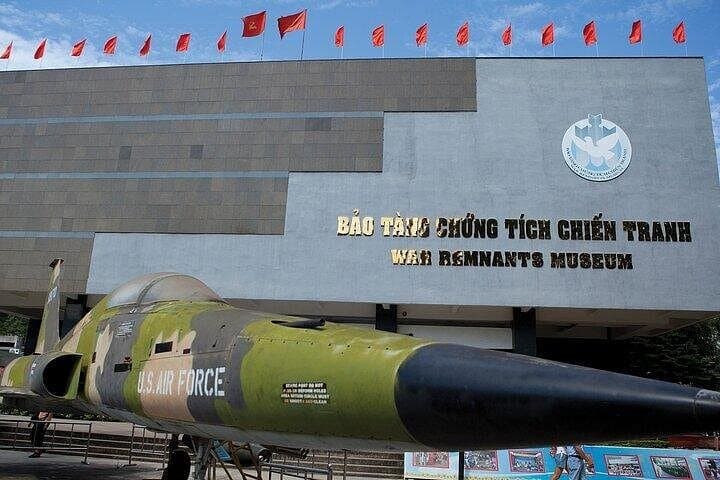
The day unfolds in two halves: a compact city circuit through French colonial facades, the Central Post Office's vaulting ceiling and the Reunification Palace's 1970s rooms, then a longer stretch into the countryside to walk where guerrillas lived underground. Ho Chi Minh City's architecture tells a layered story: colonial masonry, wartime government centers and modern kiosks rubbing shoulders in District 1.
Geology and climate shaped the tunnels—red lateritic soil and dense, rubber-tree and cashew plantations made concealed digging possible and camouflage effective. At Cu Chi you encounter dugout chambers, trap doors and narrow passages that speak to improvisation and endurance; exhibits and local guides ground the technical details in daily reality.
Practical guidance: this is a long, active day—expect 9–10 hours including transfers. Wear sturdy closed-toe shoes, bring sunscreen, insect repellent and a reusable water bottle; tunnels are low and sometimes hot, so anyone with claustrophobia or serious back/heart issues should skip the crawl sections. Cameras are welcome, but be respectful in memorial spaces. A well-paced visit mixes vivid city snapshots with the physical sense of history beneath your feet—direct, educational and quietly powerful.
Yes—some sections of the tunnels are open for visitors; they are narrow and low, so people with claustrophobia, back or heart conditions should avoid crawling sections.
Most full-day tours include hotel pickup within central districts—confirm your pickup point when booking and expect a morning collection time.
Typical packages include entrance fees and a basic lunch; confirm dietary needs (vegetarian options) ahead of time so the guide can arrange them.
Families with older children usually cope well, but very young children may struggle with the travel time and tunnel conditions—check age guidelines with the operator.
Asia Local Tour operates guided outdoor trips and adventures with an emphasis on safety, stewardship, and memorable experiences.

You step out into Saigon's morning traffic—the city already moving, motorbikes carving lanes, church bells from Notre-Dame marking time—before the road sighs northwest toward the open, scrubby fields that hide the Cu Chi Tunnels.
You step out into Saigon's morning traffic—the city already moving, motorbikes carving lanes, church bells from Notre-Dame marking time—before the road sighs northwest toward the open, scrubby fields that hide the Cu Chi Tunnels.
The day unfolds in two halves: a compact city circuit through French colonial facades, the Central Post Office's vaulting ceiling and the Reunification Palace's 1970s rooms, then a longer stretch into the countryside to walk where guerrillas lived underground. Ho Chi Minh City's architecture tells a layered story: colonial masonry, wartime government centers and modern kiosks rubbing shoulders in District 1.
Geology and climate shaped the tunnels—red lateritic soil and dense, rubber-tree and cashew plantations made concealed digging possible and camouflage effective. At Cu Chi you encounter dugout chambers, trap doors and narrow passages that speak to improvisation and endurance; exhibits and local guides ground the technical details in daily reality.
Practical guidance: this is a long, active day—expect 9–10 hours including transfers. Wear sturdy closed-toe shoes, bring sunscreen, insect repellent and a reusable water bottle; tunnels are low and sometimes hot, so anyone with claustrophobia or serious back/heart issues should skip the crawl sections. Cameras are welcome, but be respectful in memorial spaces. A well-paced visit mixes vivid city snapshots with the physical sense of history beneath your feet—direct, educational and quietly powerful.