THE ADVENTURE COLLECTIVE® · Independent discovery and booking for outdoor travel

Explore the iconic Cu Chi Tunnels on a private half-day tour from Ho Chi Minh City. Crawl short tunnel sections, learn wartime survival techniques, and return on a comfortable, air-conditioned transfer.
Explore the iconic Cu Chi Tunnels on a private half-day tour from Ho Chi Minh City. Crawl short tunnel sections, learn wartime survival techniques, and return on a comfortable, air-conditioned transfer.
Morning heat thins as the road from Ho Chi Minh City gives way to long rows of rubber trees and open paddy fields. The air tightens and the landscape feels deliberate — every foot of soil here has been claimed, defended and reused. At the Cu Chi site, the ground itself seems to hold its breath: narrow tunnel entrances, clay-packed camouflaged covers and low, shadowed passages that once hid entire units of fighters.
Verified experiences and guided adventures in the surrounding area.
Operated by Authentuc PU LUONG · Cu Chi, Ho Chi Minh City
Morning heat thins as the road from Ho Chi Minh City gives way to long rows of rubber trees and open paddy fields. The air tightens and the landscape feels deliberate — every foot of soil here has been claimed, defended and reused. At the Cu Chi site, the ground itself seems to hold its breath: narrow tunnel entrances, clay-packed camouflaged covers and low, shadowed passages that once hid entire units of fighters.
The Cu Chi network began as simple hunter-gatherer burrows and expanded into more than 200 km of interlocking galleries during the Vietnam War. Geology matters here: compacted laterite and alluvial soils made the tunnels stable but claustrophobic, and the region’s wet-dry monsoon cycle dictated construction and movement.
Culturally, Cu Chi is tied to rural southern Vietnamese life — the same fields that supplied fighters still grow cassava and rubber, and nearby villages keep traditional crafts and recipes alive. Small museums and reconstructed chamber exhibits show daily life underground: kitchens, clinics and weapons caches carved into the earth.
Practical guidance: expect a half-day excursion with a private car pickup from central Saigon, light walking on uneven dirt trails, and the option to crawl through short, re-excavated sections designed for tourists. Wear sturdy shoes, bring water, and be prepared for tight bends and low ceilings; those with spinal or cardiovascular issues should avoid enclosed sections. A local guide will explain wartime tactics and current conservation efforts — keep to designated paths and avoid touching fragile displays to help preserve the site for future visitors.
No; the tour offers short, re-excavated sections for visitors who wish to experience the tunnels—those uncomfortable with crawling can remain in the open exhibits.
Shooting range options are commonly offered at Cu Chi attractions but may be optional or ticketed separately; confirm with the operator before booking.
Yes—this private tour includes hotel pick-up and drop-off from central Ho Chi Minh City in an air-conditioned vehicle.
The above-ground exhibits and museum are suitable for most ages; children and older adults should avoid crawling sections and be monitored on uneven paths.
Authentuc PU LUONG operates guided outdoor trips and adventures with an emphasis on safety, stewardship, and memorable experiences.
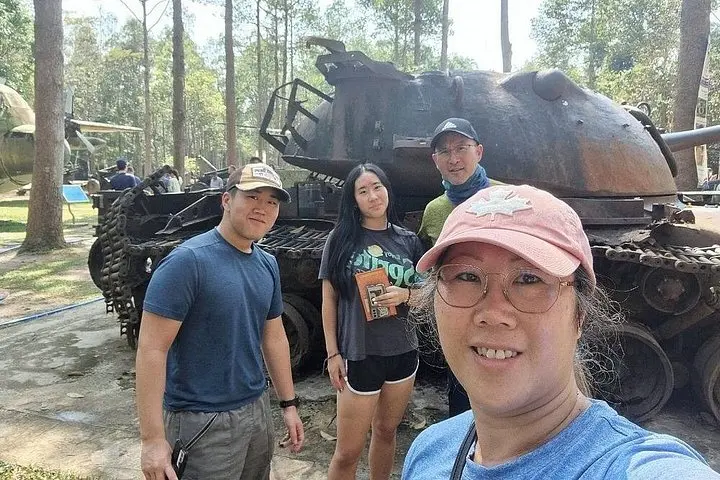
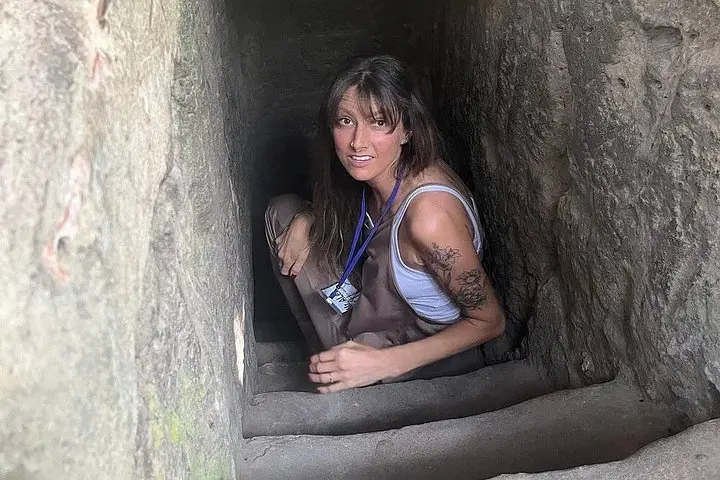
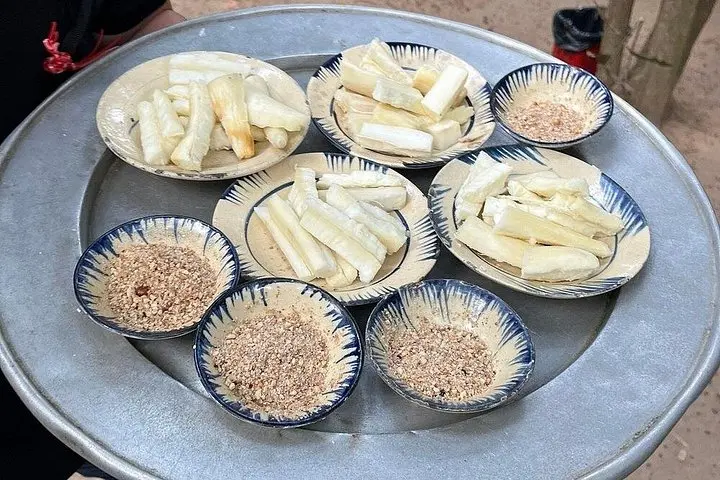
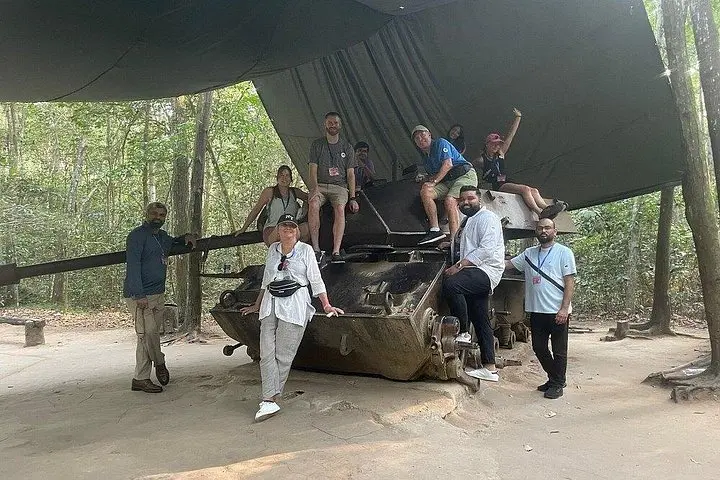
Morning heat thins as the road from Ho Chi Minh City gives way to long rows of rubber trees and open paddy fields. The air tightens and the landscape feels deliberate — every foot of soil here has been claimed, defended and reused. At the Cu Chi site, the ground itself seems to hold its breath: narrow tunnel entrances, clay-packed camouflaged covers and low, shadowed passages that once hid entire units of fighters.
Morning heat thins as the road from Ho Chi Minh City gives way to long rows of rubber trees and open paddy fields. The air tightens and the landscape feels deliberate — every foot of soil here has been claimed, defended and reused. At the Cu Chi site, the ground itself seems to hold its breath: narrow tunnel entrances, clay-packed camouflaged covers and low, shadowed passages that once hid entire units of fighters.
The Cu Chi network began as simple hunter-gatherer burrows and expanded into more than 200 km of interlocking galleries during the Vietnam War. Geology matters here: compacted laterite and alluvial soils made the tunnels stable but claustrophobic, and the region’s wet-dry monsoon cycle dictated construction and movement.
Culturally, Cu Chi is tied to rural southern Vietnamese life — the same fields that supplied fighters still grow cassava and rubber, and nearby villages keep traditional crafts and recipes alive. Small museums and reconstructed chamber exhibits show daily life underground: kitchens, clinics and weapons caches carved into the earth.
Practical guidance: expect a half-day excursion with a private car pickup from central Saigon, light walking on uneven dirt trails, and the option to crawl through short, re-excavated sections designed for tourists. Wear sturdy shoes, bring water, and be prepared for tight bends and low ceilings; those with spinal or cardiovascular issues should avoid enclosed sections. A local guide will explain wartime tactics and current conservation efforts — keep to designated paths and avoid touching fragile displays to help preserve the site for future visitors.