THE ADVENTURE COLLECTIVE® · Independent discovery and booking for outdoor travel

Explore the Cu Chi Tunnels on a half-day tour from Ho Chi Minh City: crawl optional tunnel sections, see wartime bunkers and kitchens, and learn how an underground network supported Viet Cong operations.
Explore the Cu Chi Tunnels on a half-day tour from Ho Chi Minh City: crawl optional tunnel sections, see wartime bunkers and kitchens, and learn how an underground network supported Viet Cong operations.
You step off the shuttle into heat threaded with bamboo shade; the jungle seems to press close, as if testing who will pass. The trail down to the displays crosses scrub and rice-edge scrub where the concrete of the visitor center yields to dirt paths and the dark mouths of tunnels that once hid people for days at a time.
Verified experiences and guided adventures in the surrounding area.
Operated by TREVOPEDIA · Cu Chi, Ho Chi Minh City
You step off the shuttle into heat threaded with bamboo shade; the jungle seems to press close, as if testing who will pass. The trail down to the displays crosses scrub and rice-edge scrub where the concrete of the visitor center yields to dirt paths and the dark mouths of tunnels that once hid people for days at a time.
Constructed and expanded during the First Indochina and Vietnam Wars, the Cu Chi Tunnels are an engineered underground city—narrow living quarters, kitchens, ammunition stores, and networks that extended for hundreds of kilometers. The soil here is alluvial and clay-rich; it holds tunnels well but collapses if disturbed, which is why preserved segments are reinforced and surfaced for visitors.
Guides at Ben Dinh and Ben Duoc explain tactics, homemade booby traps, and the daily routines of tunnel life, connecting military history to broader Vietnamese resilience and rural culture. Nearby villages still farm the same rice paddies that once screened soldiers’ movements.
Practically: this half-day outing from Ho Chi Minh City includes round-trip transfer and bottled water, and lasts about 4–6 hours including travel. Parts of the exhibit are wheelchair-accessible, though the crawl sections are optional and narrow. If you choose the shooting range, expect additional safety briefings and fees; firearms use is strictly controlled. Wear closed-toe shoes, long sleeves, and bring insect repellent and a small daypack. Mornings are cooler and less crowded; late afternoons carry more haze. Respect the site—stay on marked paths, avoid touching fragile relics, and follow your guide’s instructions to preserve both the tunnels and the story they tell.
Expect about 4–6 hours total from Ho Chi Minh City, depending on pick-up location, traffic, and time spent on-site.
Yes—there are reconstructed tunnel sections for visitors to try, but crawling is optional and narrower than modern standards; guides can advise alternatives.
No—the firing range is optional and incurs an extra fee; participants receive safety briefings and must follow staff instructions.
Many parts of the visitor center and displays are wheelchair-accessible, but the tunnel crawl exhibits are not suitable for wheelchairs.
TREVOPEDIA operates guided outdoor trips and adventures with an emphasis on safety, stewardship, and memorable experiences.
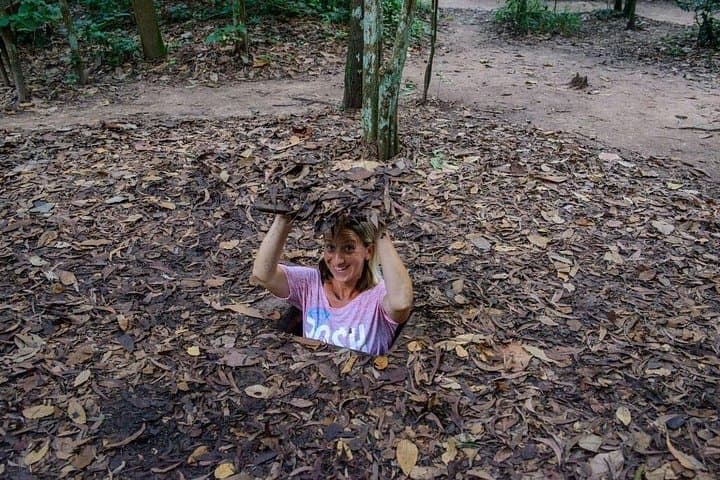
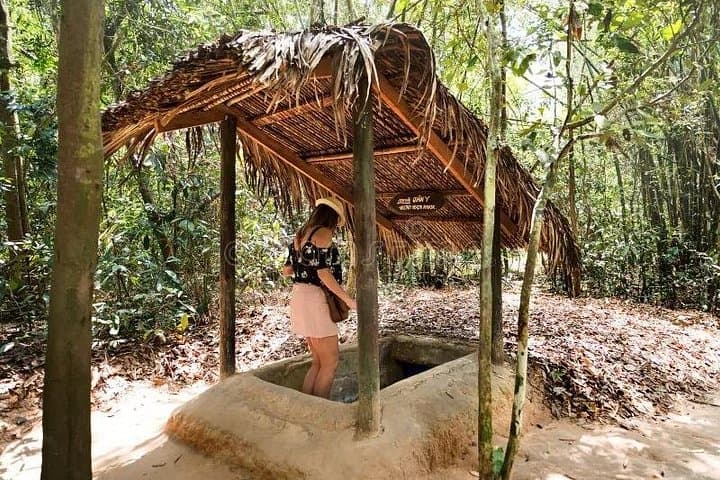
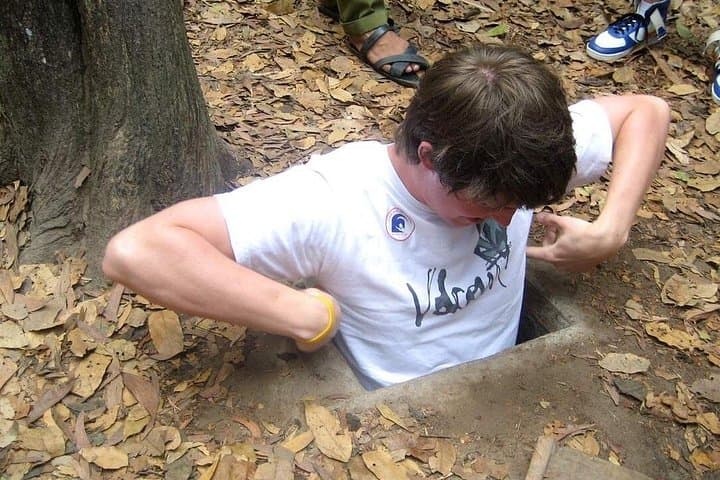
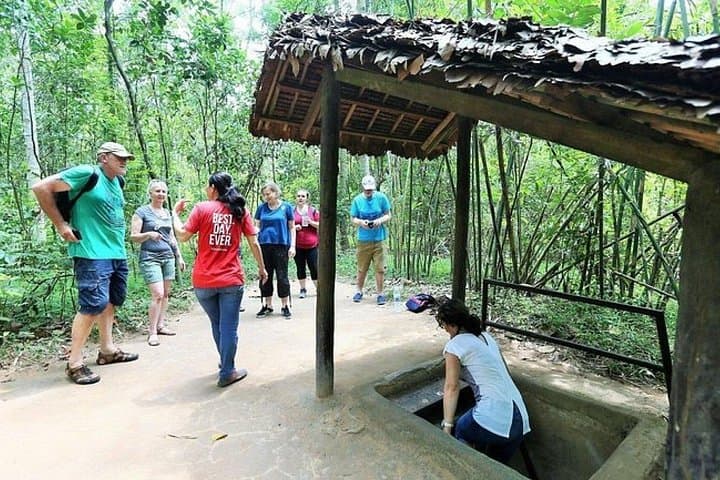
You step off the shuttle into heat threaded with bamboo shade; the jungle seems to press close, as if testing who will pass. The trail down to the displays crosses scrub and rice-edge scrub where the concrete of the visitor center yields to dirt paths and the dark mouths of tunnels that once hid people for days at a time.
You step off the shuttle into heat threaded with bamboo shade; the jungle seems to press close, as if testing who will pass. The trail down to the displays crosses scrub and rice-edge scrub where the concrete of the visitor center yields to dirt paths and the dark mouths of tunnels that once hid people for days at a time.
Constructed and expanded during the First Indochina and Vietnam Wars, the Cu Chi Tunnels are an engineered underground city—narrow living quarters, kitchens, ammunition stores, and networks that extended for hundreds of kilometers. The soil here is alluvial and clay-rich; it holds tunnels well but collapses if disturbed, which is why preserved segments are reinforced and surfaced for visitors.
Guides at Ben Dinh and Ben Duoc explain tactics, homemade booby traps, and the daily routines of tunnel life, connecting military history to broader Vietnamese resilience and rural culture. Nearby villages still farm the same rice paddies that once screened soldiers’ movements.
Practically: this half-day outing from Ho Chi Minh City includes round-trip transfer and bottled water, and lasts about 4–6 hours including travel. Parts of the exhibit are wheelchair-accessible, though the crawl sections are optional and narrow. If you choose the shooting range, expect additional safety briefings and fees; firearms use is strictly controlled. Wear closed-toe shoes, long sleeves, and bring insect repellent and a small daypack. Mornings are cooler and less crowded; late afternoons carry more haze. Respect the site—stay on marked paths, avoid touching fragile relics, and follow your guide’s instructions to preserve both the tunnels and the story they tell.