THE ADVENTURE COLLECTIVE® · Independent discovery and booking for outdoor travel

Explore Saigon’s colonial landmarks and descend into the Cu Chi Tunnels on a compact full-day tour. See wartime engineering firsthand, learn local history from a guide, and return to the city with a clearer view of Vietnam’s complex past.
Explore Saigon’s colonial landmarks and descend into the Cu Chi Tunnels on a compact full-day tour. See wartime engineering firsthand, learn local history from a guide, and return to the city with a clearer view of Vietnam’s complex past.
You step out of an air-conditioned van into a humid, sunlit clearing where the jungle seems to lean in, as if listening. Bamboo fronds whisper; dirt paths smell of dust and diesel from distant farm tractors. The Cu Chi Tunnels open not as a scenic vista but as an invitation to move low and slow — to understand a landscape that sheltered people beneath its roots.
Verified experiences and guided adventures in the surrounding area.
Operated by Authentic HALONG · Ho Chi Minh City, Ho Chi Minh
You step out of an air-conditioned van into a humid, sunlit clearing where the jungle seems to lean in, as if listening. Bamboo fronds whisper; dirt paths smell of dust and diesel from distant farm tractors. The Cu Chi Tunnels open not as a scenic vista but as an invitation to move low and slow — to understand a landscape that sheltered people beneath its roots.
This full-day loop pairs Ho Chi Minh City’s French-colonial core with the underground network that became a wartime lifeline. In the city you’ll pass 19th-century masonry — Notre-Dame’s red brick towers and the vaulted Central Post Office — reminders of urban layers: colonial architecture, wartime politics, and rapid modern growth. Then, 1–1.5 hours northwest, the tunnels reveal a different geology: compacted laterite and dense alluvial soils that made hand-excavated galleries feasible and durable. The Cu Chi site speaks to improvisation — booby traps, hidden kitchens, and narrow sleeping chambers carved into the earth.
Practicalities matter here. Expect several short walks, uneven trails, and a supervised, widened tunnel section some visitors may crawl through; guides explain structural purpose and wartime survival techniques. Wear closed-toe shoes, carry reusable water, and schedule the tour early to avoid peak heat and traffic. Bring modest clothing for museum visits and a small amount of local currency for snacks or donations at heritage sites. If you’re claustrophobic, observe the tunnels from the surface — the historical context is as powerful aboveground as it is below.
This itinerary balances urban history with hands-on exploration, offering a clear-eyed, tactile way to read Vietnam’s past while keeping the day practical and manageable.
Yes — entrance fees for the Cu Chi site and lunch are listed as included in the tour details.
Pickup and drop-off in District 1 of Ho Chi Minh City are included; confirm your lobby meeting point when booking.
Supervised sections are accessible for many children but the confined, low tunnel demonstration may be uncomfortable for very young kids or those with mobility limits.
This operator advises the tour is not recommended for pregnant travelers due to tight spaces and potential strain.
Authentic HALONG operates guided outdoor trips and adventures with an emphasis on safety, stewardship, and memorable experiences.

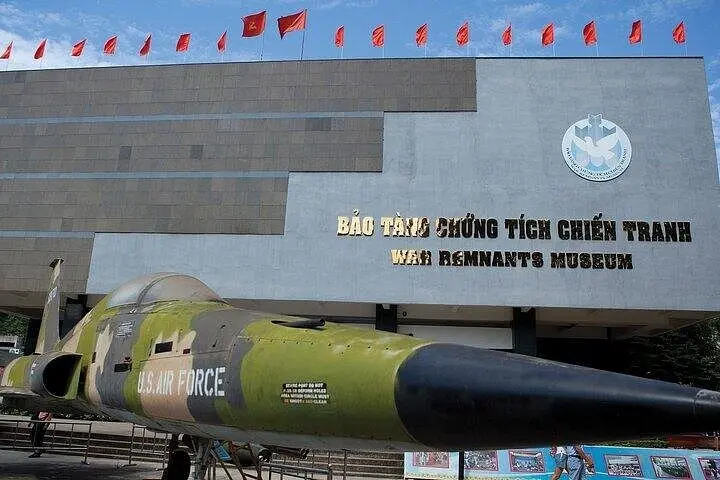

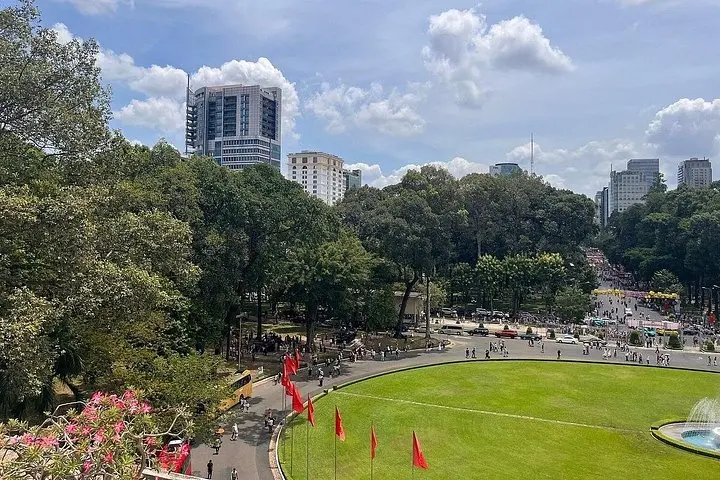
You step out of an air-conditioned van into a humid, sunlit clearing where the jungle seems to lean in, as if listening. Bamboo fronds whisper; dirt paths smell of dust and diesel from distant farm tractors. The Cu Chi Tunnels open not as a scenic vista but as an invitation to move low and slow — to understand a landscape that sheltered people beneath its roots.
You step out of an air-conditioned van into a humid, sunlit clearing where the jungle seems to lean in, as if listening. Bamboo fronds whisper; dirt paths smell of dust and diesel from distant farm tractors. The Cu Chi Tunnels open not as a scenic vista but as an invitation to move low and slow — to understand a landscape that sheltered people beneath its roots.
This full-day loop pairs Ho Chi Minh City’s French-colonial core with the underground network that became a wartime lifeline. In the city you’ll pass 19th-century masonry — Notre-Dame’s red brick towers and the vaulted Central Post Office — reminders of urban layers: colonial architecture, wartime politics, and rapid modern growth. Then, 1–1.5 hours northwest, the tunnels reveal a different geology: compacted laterite and dense alluvial soils that made hand-excavated galleries feasible and durable. The Cu Chi site speaks to improvisation — booby traps, hidden kitchens, and narrow sleeping chambers carved into the earth.
Practicalities matter here. Expect several short walks, uneven trails, and a supervised, widened tunnel section some visitors may crawl through; guides explain structural purpose and wartime survival techniques. Wear closed-toe shoes, carry reusable water, and schedule the tour early to avoid peak heat and traffic. Bring modest clothing for museum visits and a small amount of local currency for snacks or donations at heritage sites. If you’re claustrophobic, observe the tunnels from the surface — the historical context is as powerful aboveground as it is below.
This itinerary balances urban history with hands-on exploration, offering a clear-eyed, tactile way to read Vietnam’s past while keeping the day practical and manageable.