THE ADVENTURE COLLECTIVE® · Independent discovery and booking for outdoor travel

Drive northwest from Ho Chi Minh City into rubber country and step into the Cu Chi Tunnels, a 250 km underground network used by Viet Cong units. This private jeep tour combines tunnel crawls, local food tastings and hands-on cultural demos for a compact, contextual visit.
Drive northwest from Ho Chi Minh City into rubber country and step into the Cu Chi Tunnels, a 250 km underground network used by Viet Cong units. This private jeep tour combines tunnel crawls, local food tastings and hands-on cultural demos for a compact, contextual visit.
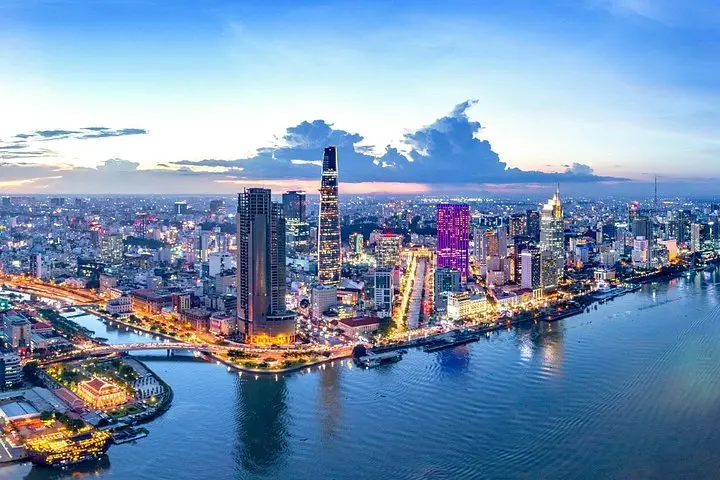
You leave the buzzing streets of Saigon in a restored jeep, the city receding into a ribbon of rice paddies and rubber plantations. After an hour and a half on the road the air shifts — dust and earth replace exhaust — and the entrance to the Cu Chi complex sits low and plain, barely announcing a vast world beneath it.
Verified experiences and guided adventures in the surrounding area.
Operated by Joy Tourist · Cu Chi, Ho Chi Minh City
You leave the buzzing streets of Saigon in a restored jeep, the city receding into a ribbon of rice paddies and rubber plantations. After an hour and a half on the road the air shifts — dust and earth replace exhaust — and the entrance to the Cu Chi complex sits low and plain, barely announcing a vast world beneath it.
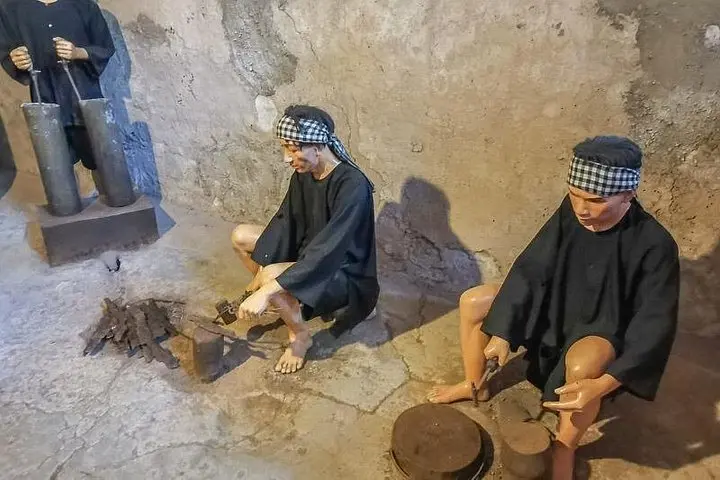
The tunnels here grew from hand-dug foxholes to a 250 km network used by Viet Cong units in the 1960s and 70s. Built in lateritic clay and layered soil, the system combined living quarters, kitchens, clinics and booby traps to support guerrilla operations. Visiting the preserved shafts and narrow crawls gives a visceral sense of daily life: the heat below, the muffled quiet above, and the ingenuity of ventilation shafts and hidden trap doors.
Alongside history you’ll sample wartime staples — cassava and local tea — and may try your hand at making rice paper, a living link to local culinary culture. Guides explain tactics, construction methods and the strategic role the tunnels played in regional conflicts.
Practical notes: the tour is private, about six hours door-to-door, and includes lunch, bottled water and entrance fees. The crawl sections are tight and low; people with heart or respiratory conditions, or serious claustrophobia, should opt out. Wear closed-toe shoes, bring sun protection for the walkways, and leave bulky bags on the jeep — the site is primarily outdoor exhibits and short underground passages. Expect basic facilities and a steady flow of visitors; arriving early helps avoid the busiest windows.
Door-to-door the program runs about six hours with roughly 1.5 hours each way by jeep and approximately two hours on-site at the tunnels.
Children can join but tunnel passages are narrow and some crawling sections may be unsafe for very young kids; check with your guide on accessible routes.
Yes — the tour includes a light meal, lunch at a local restaurant, and one bottle of water per person; dietary restrictions can be accommodated if requested at booking.
Most original tunnel sections are not accessible; above-ground exhibits and some memorial areas are reachable but the overall site has limited accessibility for wheelchairs.
Joy Tourist operates guided outdoor trips and adventures with an emphasis on safety, stewardship, and memorable experiences.


You leave the buzzing streets of Saigon in a restored jeep, the city receding into a ribbon of rice paddies and rubber plantations. After an hour and a half on the road the air shifts — dust and earth replace exhaust — and the entrance to the Cu Chi complex sits low and plain, barely announcing a vast world beneath it.
You leave the buzzing streets of Saigon in a restored jeep, the city receding into a ribbon of rice paddies and rubber plantations. After an hour and a half on the road the air shifts — dust and earth replace exhaust — and the entrance to the Cu Chi complex sits low and plain, barely announcing a vast world beneath it.
The tunnels here grew from hand-dug foxholes to a 250 km network used by Viet Cong units in the 1960s and 70s. Built in lateritic clay and layered soil, the system combined living quarters, kitchens, clinics and booby traps to support guerrilla operations. Visiting the preserved shafts and narrow crawls gives a visceral sense of daily life: the heat below, the muffled quiet above, and the ingenuity of ventilation shafts and hidden trap doors.
Alongside history you’ll sample wartime staples — cassava and local tea — and may try your hand at making rice paper, a living link to local culinary culture. Guides explain tactics, construction methods and the strategic role the tunnels played in regional conflicts.
Practical notes: the tour is private, about six hours door-to-door, and includes lunch, bottled water and entrance fees. The crawl sections are tight and low; people with heart or respiratory conditions, or serious claustrophobia, should opt out. Wear closed-toe shoes, bring sun protection for the walkways, and leave bulky bags on the jeep — the site is primarily outdoor exhibits and short underground passages. Expect basic facilities and a steady flow of visitors; arriving early helps avoid the busiest windows.