THE ADVENTURE COLLECTIVE® · Independent discovery and booking for outdoor travel

Ride the Saigon River to the Cu Chi Tunnels for a half-day mix of history and hands-on exploration. This morning tour pairs a scenic boat transfer with guided access to restored tunnel sections and wartime exhibits.
Ride the Saigon River to the Cu Chi Tunnels for a half-day mix of history and hands-on exploration. This morning tour pairs a scenic boat transfer with guided access to restored tunnel sections and wartime exhibits.
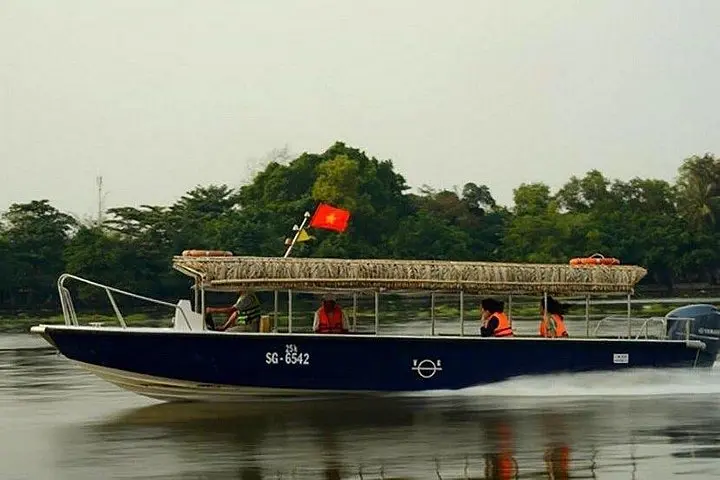
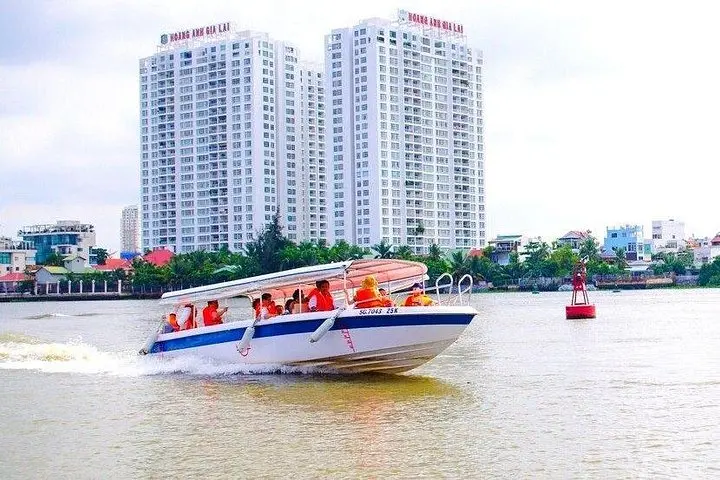
The motor throbs and the Saigon River widens as the boat slips downstream, the cityscape giving way to palms and low mangrove banks that seem to dare you closer. After roughly an hour of waterborne travel the shoreline narrows and the dense green of Cu Chi rises—earth and shadow where people once lived below ground.
Verified experiences and guided adventures in the surrounding area.
Operated by Cu Chi Tunnels Tours · Cu Chi, Ho Chi Minh City
The motor throbs and the Saigon River widens as the boat slips downstream, the cityscape giving way to palms and low mangrove banks that seem to dare you closer. After roughly an hour of waterborne travel the shoreline narrows and the dense green of Cu Chi rises—earth and shadow where people once lived below ground.
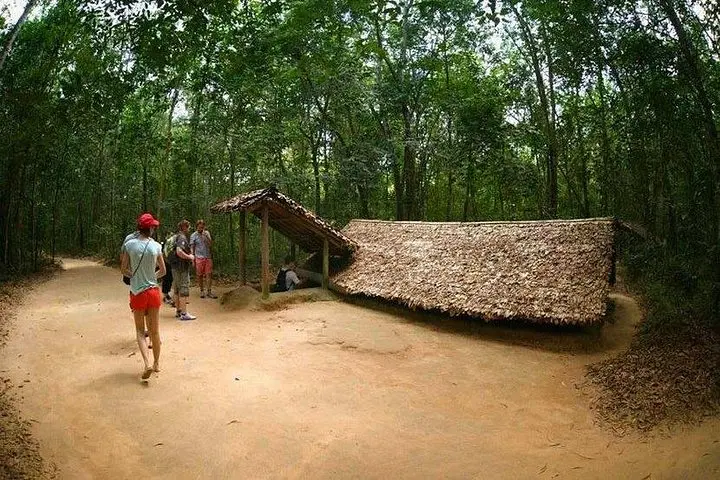
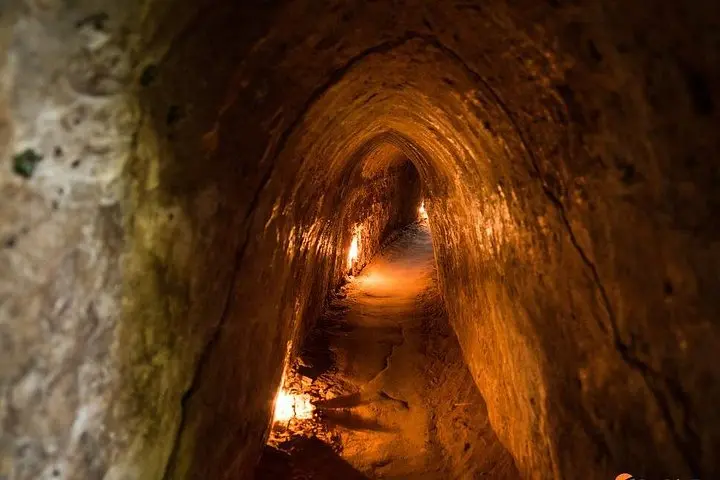
The Cu Chi tunnel network grew from necessity during the Indochina and Vietnam Wars: a sprawling 200km system of narrow passages, hidden doors and improvised rooms carved into lateritic soil. Visitors walk through restored tunnel sections and reconstructed living spaces—kitchens, hidden wells, field hospitals—and watch archival film that lays out the tactical ingenuity behind the maze. Geologically, the tunnels exploit firm, compacted clay layers that hold shape when excavated, allowing long-term subterranean habitation.
Local culture is visible in small details: cassava and tea served to visitors echo wartime rations; the guides—often local—explain how village life and guerrilla logistics intertwined. The waterway approach adds perspective: the river that ferries you becomes a living route, its current pushing the tour forward as it did supply movements decades ago.
Practical guidance: plan a morning start to avoid mid-day heat, wear sturdy closed-toe shoes for uneven surfaces, and be ready to crouch in tight spaces—tunnel sections are low and narrow. The tour includes pick-up, a short introductory film, tunnel exploration, and return to Ho Chi Minh City by mid-afternoon. Bring sun protection and a refillable bottle; the combination of boat ride and subterranean walking makes this a half-day that’s equal parts history and hands-on fieldwork.
The water transfer along the Saigon River is roughly 60–75 minutes each way depending on docking points and traffic on the water.
Restored and widened tunnel sections are open to visitors; most original passages are too narrow or fragile for general access, so rebuilt portions illustrate the experience safely.
Yes—this tour includes hotel pick-up and drop-off, boat transfer, guide, entrance fees and lunch as listed in the itinerary.
The tour is generally suitable for a wide range of ages, but those with heart or serious mobility issues should avoid the tight tunnel sections; check with the operator about alternative viewing areas.
Cu Chi Tunnels Tours operates guided outdoor trips and adventures with an emphasis on safety, stewardship, and memorable experiences.
The motor throbs and the Saigon River widens as the boat slips downstream, the cityscape giving way to palms and low mangrove banks that seem to dare you closer. After roughly an hour of waterborne travel the shoreline narrows and the dense green of Cu Chi rises—earth and shadow where people once lived below ground.
The motor throbs and the Saigon River widens as the boat slips downstream, the cityscape giving way to palms and low mangrove banks that seem to dare you closer. After roughly an hour of waterborne travel the shoreline narrows and the dense green of Cu Chi rises—earth and shadow where people once lived below ground.
The Cu Chi tunnel network grew from necessity during the Indochina and Vietnam Wars: a sprawling 200km system of narrow passages, hidden doors and improvised rooms carved into lateritic soil. Visitors walk through restored tunnel sections and reconstructed living spaces—kitchens, hidden wells, field hospitals—and watch archival film that lays out the tactical ingenuity behind the maze. Geologically, the tunnels exploit firm, compacted clay layers that hold shape when excavated, allowing long-term subterranean habitation.
Local culture is visible in small details: cassava and tea served to visitors echo wartime rations; the guides—often local—explain how village life and guerrilla logistics intertwined. The waterway approach adds perspective: the river that ferries you becomes a living route, its current pushing the tour forward as it did supply movements decades ago.
Practical guidance: plan a morning start to avoid mid-day heat, wear sturdy closed-toe shoes for uneven surfaces, and be ready to crouch in tight spaces—tunnel sections are low and narrow. The tour includes pick-up, a short introductory film, tunnel exploration, and return to Ho Chi Minh City by mid-afternoon. Bring sun protection and a refillable bottle; the combination of boat ride and subterranean walking makes this a half-day that’s equal parts history and hands-on fieldwork.