THE ADVENTURE COLLECTIVE® · Independent discovery and booking for outdoor travel

Paddle quiet channels under mangrove canopies, spot sloths and kingfishers, then enjoy a traditional casado lunch. This guided kayak tour from Dreams Las Mareas combines easy paddling with intimate wildlife viewing in Santa Elena Bay.
Paddle quiet channels under mangrove canopies, spot sloths and kingfishers, then enjoy a traditional casado lunch. This guided kayak tour from Dreams Las Mareas combines easy paddling with intimate wildlife viewing in Santa Elena Bay.
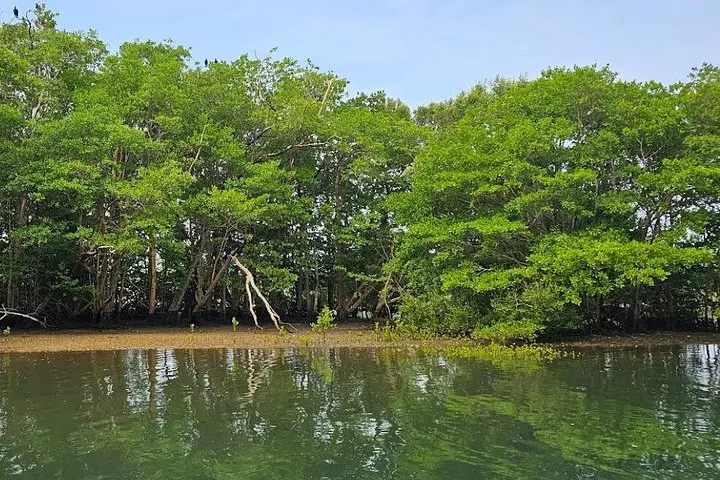
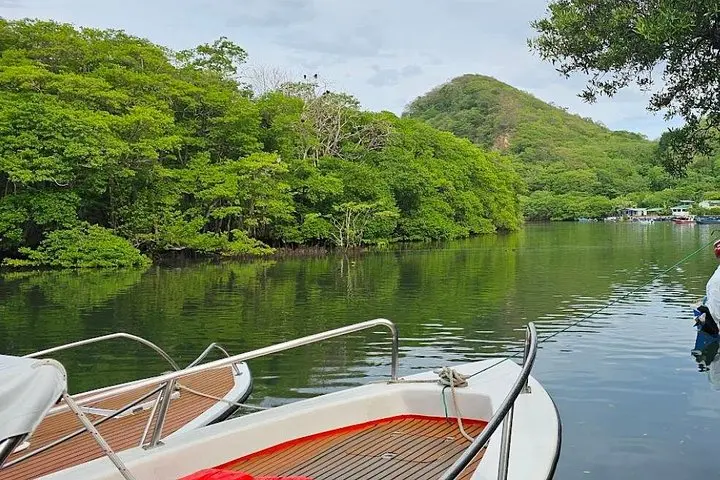
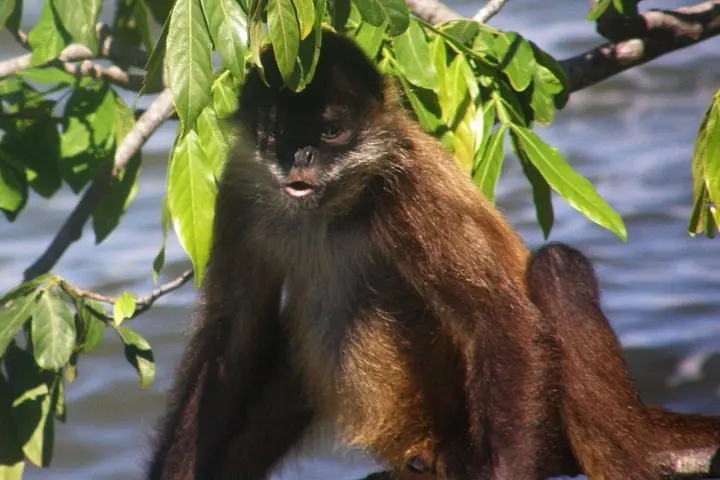
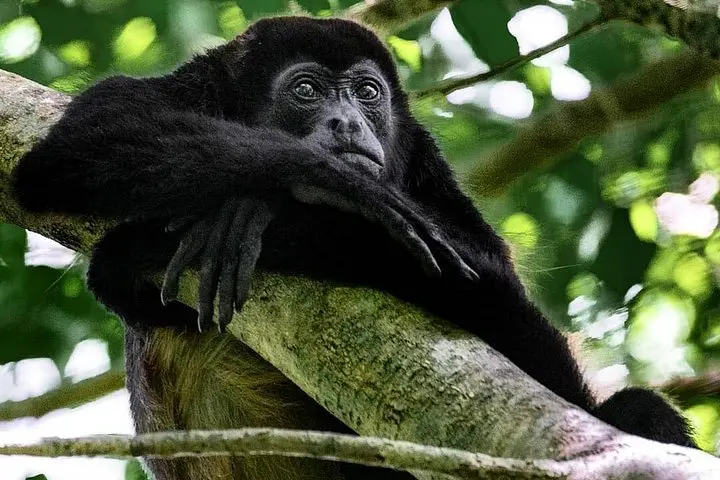
Morning light threads through the mangrove canopy as your guide eases a pair of kayaks into the narrow channel of Cuajiniquil. Water laps against tangled roots that rise and fall like the ribs of the bay; herons watch from perches, and the air smells faintly of salt and wet earth. Paddles whisper; the mangrove answers in calls from kingfishers and the low rumble of a howler monkey.
Verified experiences and guided adventures in the surrounding area.
Operated by Real Tours Costa Rica · El Jobo (Las Mareas area), Guanacaste
Morning light threads through the mangrove canopy as your guide eases a pair of kayaks into the narrow channel of Cuajiniquil. Water laps against tangled roots that rise and fall like the ribs of the bay; herons watch from perches, and the air smells faintly of salt and wet earth. Paddles whisper; the mangrove answers in calls from kingfishers and the low rumble of a howler monkey.
The Cuajiniquil area sits within the Guanacaste Conservation mosaic, a coastal zone shaped by volcanic uplift and Pacific tides that sculpt shallow bays and dense red and black mangrove forests. These roots are nurseries—protecting juvenile fish and stabilizing shorelines—while local communities keep a long-standing relationship with the sea, reflected in the lunchtime casado, a humble plate highlighting Costa Rica’s coastal produce.
Expect a guided, small-group kayak exploration through winding channels, focused on wildlife spotting: sloths clinging to prop roots, iguanas sunning on branches, and crocodiles slipping into shadowed water.
Practical guide: the trip runs about four hours including hotel pickup and a typical casado lunch. Paddling is low-impact but requires basic balance and a moderate fitness level; guides provide instruction and safety gear. Dress for sun and mosquitoes—breathable layers, reef-safe sunscreen, and a dry bag make the experience smoother. Time your visit for morning tides when wildlife is most active and channels are easier to navigate. Leave no trace: mangrove roots are fragile—observe from the boat, don’t dislodge vegetation, and follow your guide’s path.
This outing pairs accessible adventure with conservation-minded wildlife viewing—ideal for travelers wanting close, responsible encounters with Costa Rica’s coastal ecosystems.
No — guides provide basic instruction and paddle-assisted routes suitable for beginners, though a moderate level of balance and stamina helps.
Yes — a typical casado lunch is included; operators commonly offer fish, chicken, pork, beef or vegan options when notified in advance.
Wildlife sightings are common but not guaranteed; guides keep safe distances and follow best practices for viewing sensitive species.
Expect about 60–120 minutes of paddling within the roughly four-hour tour window, depending on water levels and wildlife stops.
Real Tours Costa Rica operates guided outdoor trips and adventures with an emphasis on safety, stewardship, and memorable experiences.
Morning light threads through the mangrove canopy as your guide eases a pair of kayaks into the narrow channel of Cuajiniquil. Water laps against tangled roots that rise and fall like the ribs of the bay; herons watch from perches, and the air smells faintly of salt and wet earth. Paddles whisper; the mangrove answers in calls from kingfishers and the low rumble of a howler monkey.
Morning light threads through the mangrove canopy as your guide eases a pair of kayaks into the narrow channel of Cuajiniquil. Water laps against tangled roots that rise and fall like the ribs of the bay; herons watch from perches, and the air smells faintly of salt and wet earth. Paddles whisper; the mangrove answers in calls from kingfishers and the low rumble of a howler monkey.
The Cuajiniquil area sits within the Guanacaste Conservation mosaic, a coastal zone shaped by volcanic uplift and Pacific tides that sculpt shallow bays and dense red and black mangrove forests. These roots are nurseries—protecting juvenile fish and stabilizing shorelines—while local communities keep a long-standing relationship with the sea, reflected in the lunchtime casado, a humble plate highlighting Costa Rica’s coastal produce.
Expect a guided, small-group kayak exploration through winding channels, focused on wildlife spotting: sloths clinging to prop roots, iguanas sunning on branches, and crocodiles slipping into shadowed water.
Practical guide: the trip runs about four hours including hotel pickup and a typical casado lunch. Paddling is low-impact but requires basic balance and a moderate fitness level; guides provide instruction and safety gear. Dress for sun and mosquitoes—breathable layers, reef-safe sunscreen, and a dry bag make the experience smoother. Time your visit for morning tides when wildlife is most active and channels are easier to navigate. Leave no trace: mangrove roots are fragile—observe from the boat, don’t dislodge vegetation, and follow your guide’s path.
This outing pairs accessible adventure with conservation-minded wildlife viewing—ideal for travelers wanting close, responsible encounters with Costa Rica’s coastal ecosystems.