THE ADVENTURE COLLECTIVE® · Independent discovery and booking for outdoor travel

Spend a private day exploring Cuandixia’s Ming-era courtyard homes and mountain lanes about 55 miles northwest of Beijing. This guided tour combines village history, hands-on local culture and manageable walking among steep stone alleys.
Spend a private day exploring Cuandixia’s Ming-era courtyard homes and mountain lanes about 55 miles northwest of Beijing. This guided tour combines village history, hands-on local culture and manageable walking among steep stone alleys.
A low-slung stone lane opens like a page of history as your private vehicle eases into the valley: roofs of grey tile climb the slope, courtyards peer down through orchard terraces, and a wind that knows the mountains moves through narrow alleys. Cuandixia feels lived-in rather than staged — families keep goats and drying racks, and small altars mark household rites.
Verified experiences and guided adventures in the surrounding area.
Operated by Leo's Guide & Driver Service · Beijing, Beijing
A low-slung stone lane opens like a page of history as your private vehicle eases into the valley: roofs of grey tile climb the slope, courtyards peer down through orchard terraces, and a wind that knows the mountains moves through narrow alleys. Cuandixia feels lived-in rather than staged — families keep goats and drying racks, and small altars mark household rites.
Founded during the Ming dynasty, Cuandixia grew as a stop on a network of mountain post roads connecting Hebei and Shanxi. The village’s roughly 70 siheyuan courtyard homes were built with locally quarried stone and timber; the rocks underfoot are remnants of the same geology that carved the surrounding ridges and fed the fertile valley soil. Cultural traces are visible in carved lintels, clan plaques, and the old merchant houses that once hosted traders heading west.
On a private day tour from Beijing (about 55 miles / 88 km northwest), expect 2–3 hours of on-foot exploration among steep stone steps, terraced orchards and compact lanes, plus time for a countryside-style lunch in a local family restaurant. Guides explain clan histories, architecture, and the village’s shift from trade hub to quiet heritage site as modern transport bypassed the old road.
Practical guidance: wear sturdy shoes for uneven stone, bring layers as mountain sun and shade change quickly, and carry water—shops are limited. Plan for an 8-hour round trip with hotel pickup and drop-off; if you want a multilingual guide, book several days ahead. Respect private homes and photography requests to help preserve local life.
Expect roughly 1.5–2.5 hours each way depending on traffic; the tour is typically an 8‑hour day with hotel pickup and drop-off.
Yes—paths are short but include uneven stone steps; pace can be adjusted, and the tour is marked as suitable for all fitness levels.
Lunch is usually at a local family restaurant and is at guest expense; bottled water is often provided by the operator.
Yes, but multilingual guides (Spanish, French, German, Italian) should be requested 3–9 days in advance to ensure availability.
Leo's Guide & Driver Service operates guided outdoor trips and adventures with an emphasis on safety, stewardship, and memorable experiences.
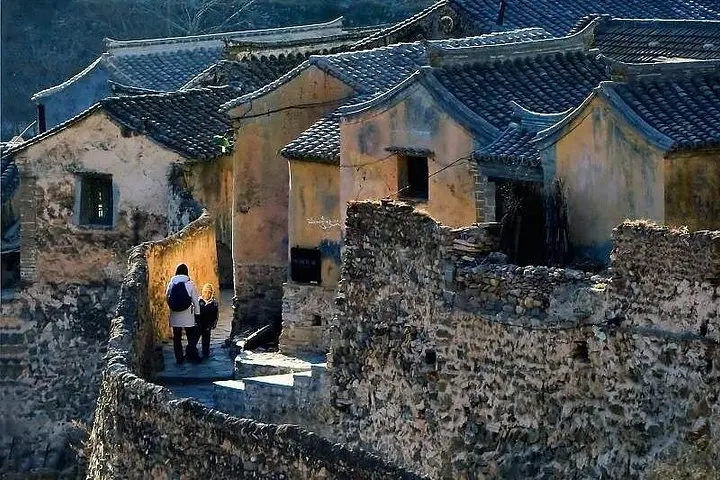
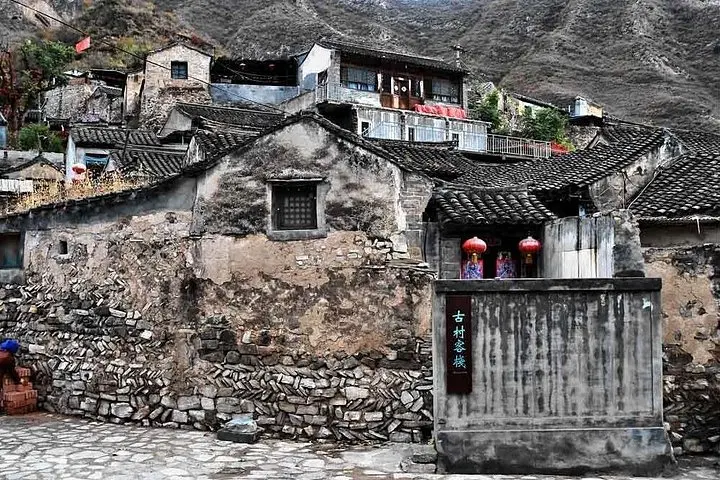
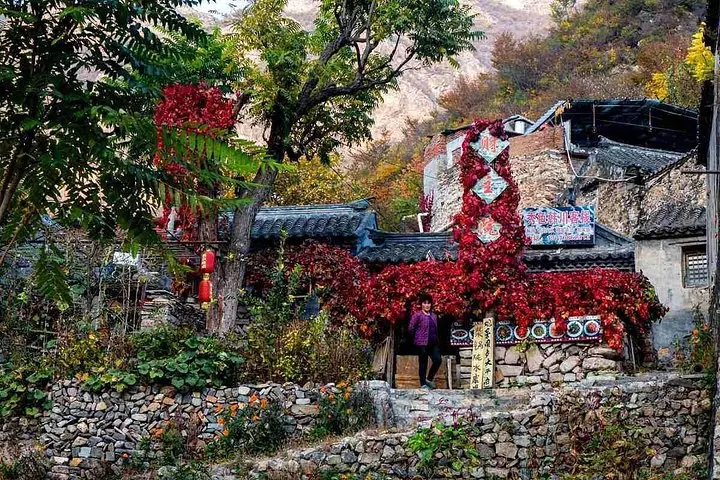
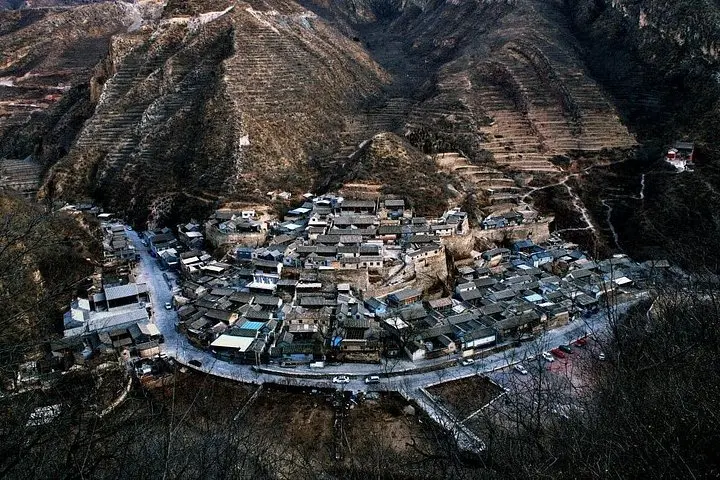
A low-slung stone lane opens like a page of history as your private vehicle eases into the valley: roofs of grey tile climb the slope, courtyards peer down through orchard terraces, and a wind that knows the mountains moves through narrow alleys. Cuandixia feels lived-in rather than staged — families keep goats and drying racks, and small altars mark household rites.
A low-slung stone lane opens like a page of history as your private vehicle eases into the valley: roofs of grey tile climb the slope, courtyards peer down through orchard terraces, and a wind that knows the mountains moves through narrow alleys. Cuandixia feels lived-in rather than staged — families keep goats and drying racks, and small altars mark household rites.
Founded during the Ming dynasty, Cuandixia grew as a stop on a network of mountain post roads connecting Hebei and Shanxi. The village’s roughly 70 siheyuan courtyard homes were built with locally quarried stone and timber; the rocks underfoot are remnants of the same geology that carved the surrounding ridges and fed the fertile valley soil. Cultural traces are visible in carved lintels, clan plaques, and the old merchant houses that once hosted traders heading west.
On a private day tour from Beijing (about 55 miles / 88 km northwest), expect 2–3 hours of on-foot exploration among steep stone steps, terraced orchards and compact lanes, plus time for a countryside-style lunch in a local family restaurant. Guides explain clan histories, architecture, and the village’s shift from trade hub to quiet heritage site as modern transport bypassed the old road.
Practical guidance: wear sturdy shoes for uneven stone, bring layers as mountain sun and shade change quickly, and carry water—shops are limited. Plan for an 8-hour round trip with hotel pickup and drop-off; if you want a multilingual guide, book several days ahead. Respect private homes and photography requests to help preserve local life.