THE ADVENTURE COLLECTIVE® · Independent discovery and booking for outdoor travel

Drive west from Beijing to Cuandixia, a Ming‑era mountain village of stone courtyards and carved facades. This private day tour delivers history, local life, and uneven cobbled alleys—perfect for a cultural day trip.
Drive west from Beijing to Cuandixia, a Ming‑era mountain village of stone courtyards and carved facades. This private day tour delivers history, local life, and uneven cobbled alleys—perfect for a cultural day trip.
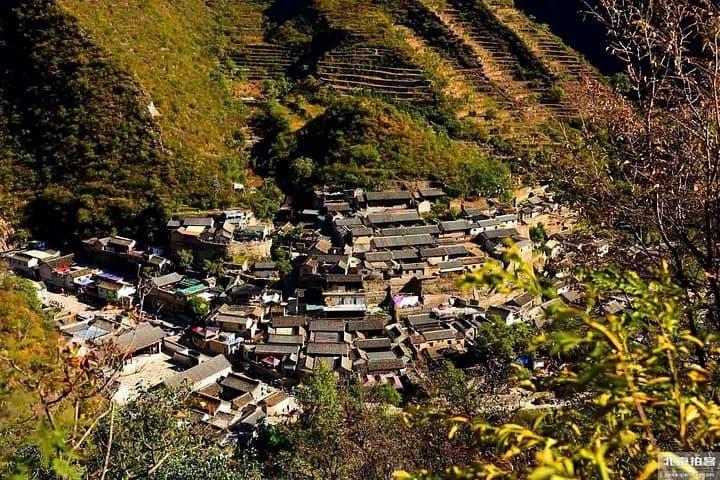
The road winds west from Beijing and the city’s noise thins to the rattle of tires and the hush of pine-scrubbed slopes. After roughly 2–2.5 hours you arrive at Cuandixia, a stone village perched on a mountainside where narrow alleys force you to slow down and the roofs seem to tell time.
Verified experiences and guided adventures in the surrounding area.
Operated by Beijing Private Tours · Cuandixia Village, Beijing
The road winds west from Beijing and the city’s noise thins to the rattle of tires and the hush of pine-scrubbed slopes. After roughly 2–2.5 hours you arrive at Cuandixia, a stone village perched on a mountainside where narrow alleys force you to slow down and the roofs seem to tell time.
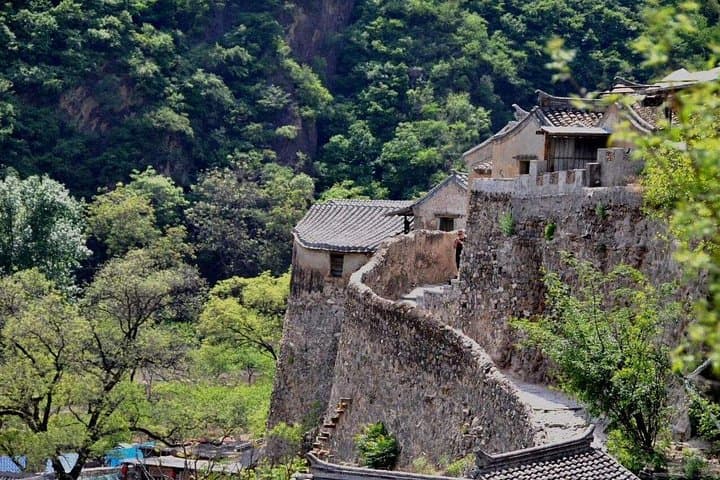
Cuandixia dates to the Ming dynasty, founded by members of the Han clan who migrated from Shanxi. The village prospered later through trade in coal, grain and furs, leaving behind more than 400 years of Ming- and Qing-era courtyard homes, brick and stone carving, and carved door lintels that use bats, magpies and peonies as local symbols. Geologically, the village sits on low quartzite outcrops with stepped terraces; the stone streets and stairways reflect centuries of human adaptation to slope and weather.
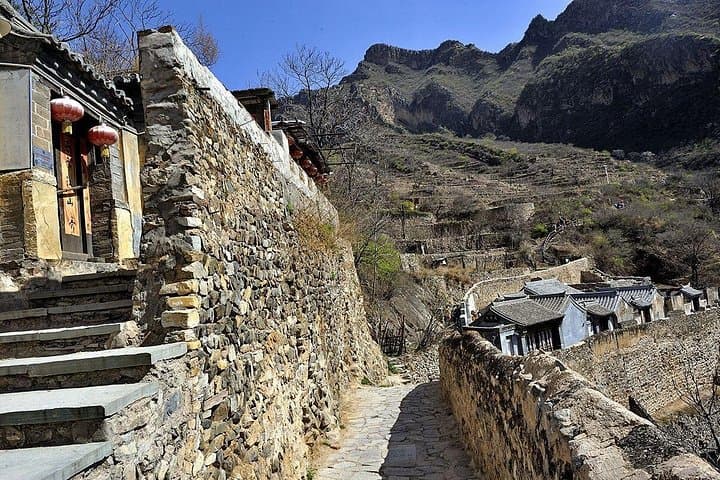
Culturally, Cuandixia is still lived-in—families keep small tea houses and workshops—and visitors should respect private courtyards while photographing facades and petroglyph-like carvings. Expect uneven cobbles, short steep stair runs and pockets of shade that can feel suddenly cool; the mountain air has a presence that nudges travel pace.
Practical guidance: this private day tour runs about 8–9 hours with 2–3 hours in the village, includes hotel pickup, an English-speaking guide, an air-conditioned vehicle and bottled water. Wear sturdy footwear, bring cash for a simple local lunch, and target early or weekday starts to avoid crowds. The route is accessible for most fitness levels but plan for standing and short uphill walks on uneven stone.
Expect approximately 2–2.5 hours each way depending on traffic; the full experience runs about 8–9 hours.
Many alleys are stepped and uneven; while some courtyards are reachable, the village is not fully wheelchair accessible.
Lunch is not included—guides typically take guests to a local simple restaurant and you pay on-site.
Public and basic restaurant restrooms exist but facilities are rustic; carry tissues and hand sanitizer.
Beijing Private Tours operates guided outdoor trips and adventures with an emphasis on safety, stewardship, and memorable experiences.

The road winds west from Beijing and the city’s noise thins to the rattle of tires and the hush of pine-scrubbed slopes. After roughly 2–2.5 hours you arrive at Cuandixia, a stone village perched on a mountainside where narrow alleys force you to slow down and the roofs seem to tell time.
The road winds west from Beijing and the city’s noise thins to the rattle of tires and the hush of pine-scrubbed slopes. After roughly 2–2.5 hours you arrive at Cuandixia, a stone village perched on a mountainside where narrow alleys force you to slow down and the roofs seem to tell time.
Cuandixia dates to the Ming dynasty, founded by members of the Han clan who migrated from Shanxi. The village prospered later through trade in coal, grain and furs, leaving behind more than 400 years of Ming- and Qing-era courtyard homes, brick and stone carving, and carved door lintels that use bats, magpies and peonies as local symbols. Geologically, the village sits on low quartzite outcrops with stepped terraces; the stone streets and stairways reflect centuries of human adaptation to slope and weather.
Culturally, Cuandixia is still lived-in—families keep small tea houses and workshops—and visitors should respect private courtyards while photographing facades and petroglyph-like carvings. Expect uneven cobbles, short steep stair runs and pockets of shade that can feel suddenly cool; the mountain air has a presence that nudges travel pace.
Practical guidance: this private day tour runs about 8–9 hours with 2–3 hours in the village, includes hotel pickup, an English-speaking guide, an air-conditioned vehicle and bottled water. Wear sturdy footwear, bring cash for a simple local lunch, and target early or weekday starts to avoid crowds. The route is accessible for most fitness levels but plan for standing and short uphill walks on uneven stone.